Germany Limits Daily Fuel Price Hikes to Protect Consumers Amid Energy Shock

Germany Limits Daily Fuel Price Hikes to Protect Consumers Amid Energy Shock
By
Augusta Parker
Last updated:
April 2, 2026
First Published:
April 25, 2026

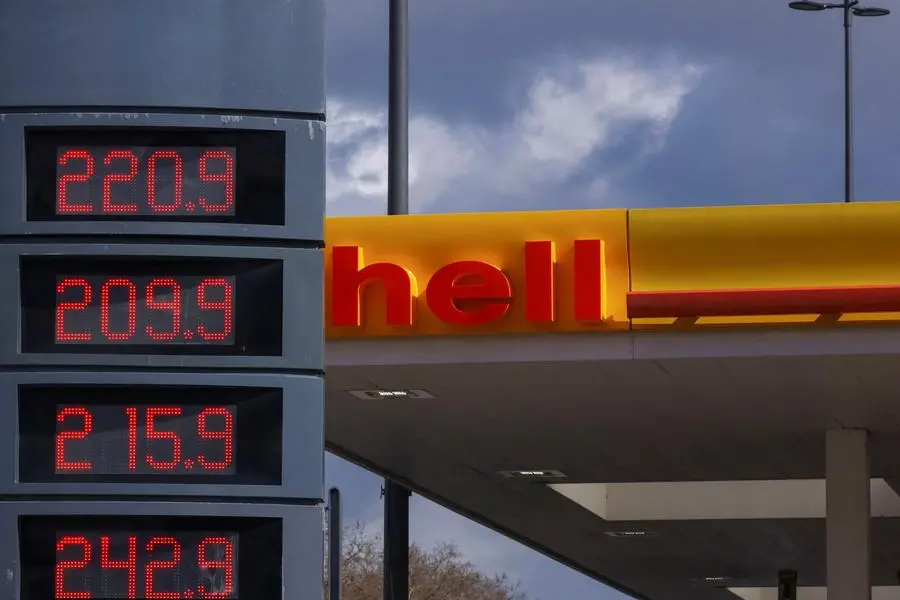
Photo: ZAWYA
Germany has introduced strict new regulations to control fuel price volatility, prohibiting gas stations from increasing pump prices more than once per day. The move comes as governments across Europe scramble to shield consumers from surging energy costs triggered by ongoing geopolitical tensions in the Middle East.
Under the new policy, fuel retailers are allowed to raise prices only once daily, specifically at midday. However, they remain free to lower prices at any time, giving consumers potential opportunities to benefit from downward adjustments.
Cracking Down on Extreme Price Volatility
The regulation follows growing concern from policymakers over erratic pricing behavior at fuel stations. Officials revealed that petrol and diesel prices had been fluctuating as many as 22 times per day in recent weeks, creating confusion and frustration for consumers.
This level of volatility has been largely attributed to the rapid surge in global oil prices, as well as algorithm-driven pricing systems used by fuel retailers. Authorities argue that such frequent adjustments distort market transparency and disproportionately impact everyday drivers.
By limiting price increases, the government aims to stabilize the retail fuel market and restore a sense of predictability for consumers.
Targeting the ‘Rocket and Feather’ Effect
A key motivation behind the policy is to counter what economists refer to as the “rocket and feather” phenomenon—where fuel prices rise quickly when crude oil costs increase but fall slowly when those costs decline.
German regulators believe that restricting upward price movements will reduce the speed at which higher wholesale costs are passed on to consumers, while still allowing competitive downward adjustments.
To enforce compliance, companies found violating the rule could face fines of up to €100,000, signaling a strong regulatory stance against perceived price manipulation.
Energy Crisis Driven by Global Supply Disruptions
The policy comes amid a broader energy crisis fueled by disruptions in global oil supply. The Strait of Hormuz, a critical shipping route responsible for transporting roughly a quarter of the world’s oil, has been severely affected by the Iran conflict, leading to supply constraints and price spikes.
Benchmark crude prices surged past $100 per barrel in recent weeks, with both Brent and U.S. crude futures experiencing significant volatility. Although prices have shown some short-term fluctuations, they remain elevated compared to earlier levels, continuing to put pressure on fuel costs worldwide.
Europe Responds with Coordinated Measures
Germany’s intervention is part of a wider wave of policy responses across Europe aimed at cushioning the economic impact of rising energy prices.
In the United Kingdom, the government has introduced financial support packages worth tens of millions of pounds to assist households facing higher energy bills, alongside caps on fuel duties and energy costs.
Meanwhile, Denmark has encouraged citizens to reduce fuel consumption and rely more on national reserves, while Austria and Hungary have implemented their own controls on fuel pricing.
France has taken a more enforcement-driven approach, increasing inspections to prevent price gouging and ensure fair practices among fuel retailers.
Global Energy Authorities Warn of Further Pressure
The situation remains fluid, with global energy agencies warning that the crisis could intensify in the coming weeks. Emergency measures, including the release of hundreds of millions of barrels from strategic oil reserves, have been deployed to stabilize supply.
However, experts caution that these are temporary solutions. If geopolitical tensions persist or escalate, additional interventions may be required to prevent further economic fallout.
Balancing Market Forces and Consumer Protection
Germany’s latest move highlights a delicate balancing act between free-market dynamics and consumer protection. While fuel markets are typically driven by global supply and demand, extreme volatility has prompted governments to step in more aggressively.
For consumers, the new regulation offers a degree of stability during a period of uncertainty. For policymakers, it represents a broader effort to manage inflationary pressures and maintain economic resilience in the face of ongoing global disruptions.
As energy markets continue to evolve, similar regulatory interventions could become more common, particularly if price instability remains a defining feature of the global economy.
.webp)
Popular articles



Subscribe to unlock premium content
Beyoncé’s Wellness Retreats Redefine Luxury Lifestyle

Skiing Above the Skyline

ED by Ellen Redefines Celebrity Media

Beyoncé’s Wellness Retreats Redefine Luxury Lifestyle
Skiing Above the Skyline
Beyoncé’s Wellness Retreats Redefine Luxury Lifestyle