Japan Inflation Picks Up Again as Energy Risks Resurface, But Underlying Price Pressure Softens

Japan Inflation Picks Up Again as Energy Risks Resurface, But Underlying Price Pressure Softens
By
Leah Rosenfeld
Last updated:
April 24, 2026
First Published:
April 24, 2026

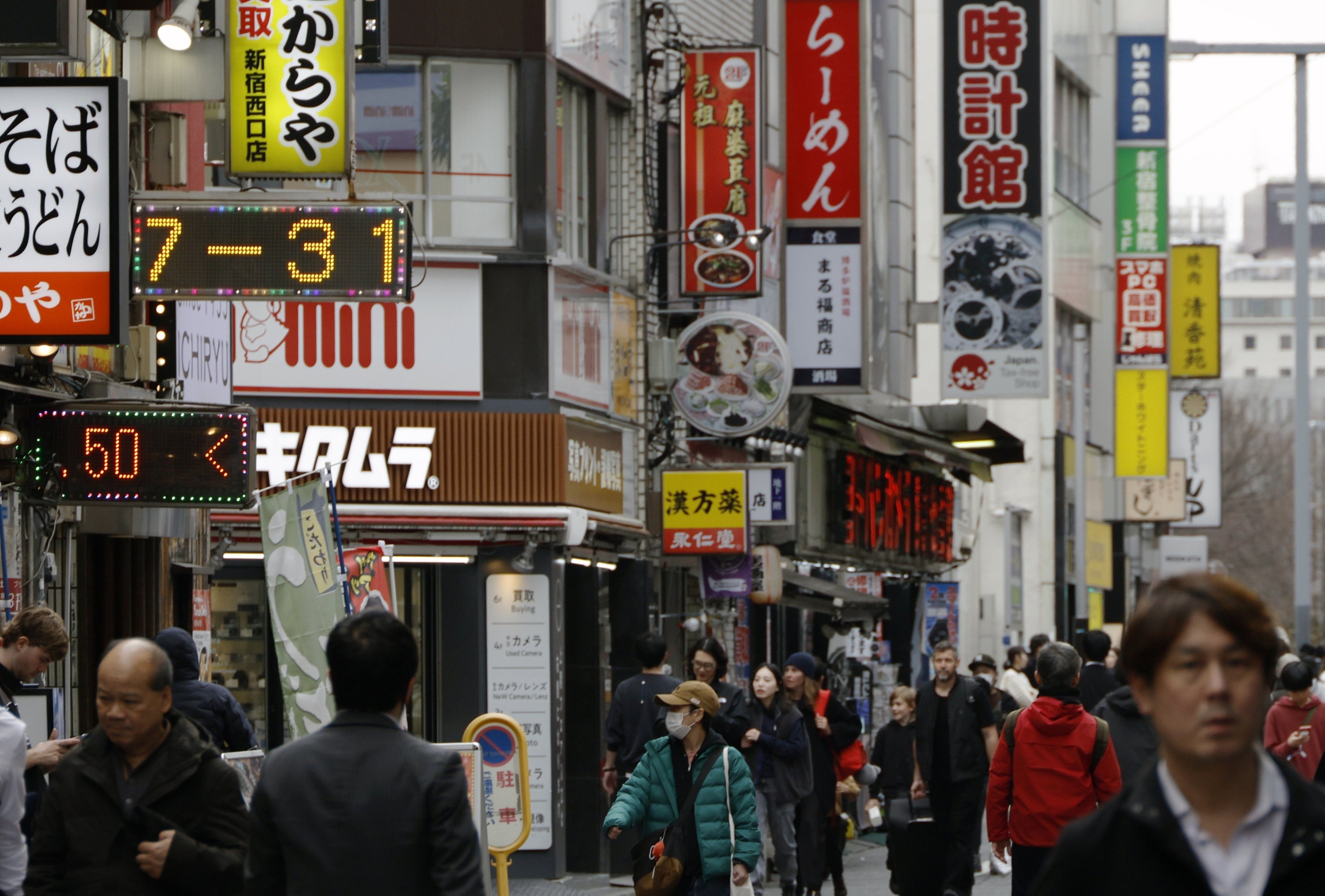
Photo: Daily Sabah
Japan’s inflation trajectory is showing renewed movement, but the underlying story remains mixed. Fresh data indicates that overall price growth accelerated after several months of moderation, driven largely by rising energy-related costs amid heightened geopolitical uncertainty.
Headline inflation climbed to 1.5 percent, up from 1.3 percent in February, marking a noticeable rebound. However, the figure still sits below the Bank of Japan’s long-standing 2 percent target, extending a period where policymakers continue to fall short of their desired inflation threshold.
Energy Costs Drive the Uptick
The latest increase in inflation is closely tied to rising global energy prices, which have been influenced by tensions in the Middle East, particularly concerns linked to Iran and potential disruptions to oil supply chains. As a resource-import-dependent economy, Japan is highly sensitive to fluctuations in fuel and energy costs.
Higher oil and gas prices have translated into increased transportation and utility expenses, feeding directly into consumer prices. Analysts estimate that energy-related components contributed a significant portion of the month-on-month inflation increase.
Core Inflation Signals a More Nuanced Picture
While headline inflation is moving upward, deeper indicators suggest that domestic price pressure is not strengthening as much. The closely watched “core-core” inflation rate, which excludes both food and energy prices, slipped to 2.4 percent.
This measure is often used to gauge underlying demand-driven inflation. The decline indicates that while external factors like energy are pushing prices higher, internal economic momentum remains relatively subdued. Wage growth, consumer demand, and service-sector pricing continue to show only moderate expansion.
Policy Implications for the Bank of Japan
The divergence between headline and core-core inflation presents a complex challenge for the Bank of Japan. On one hand, rising energy costs are pushing overall inflation higher. On the other, the softer core-core reading suggests that sustainable, demand-driven inflation has yet to fully take hold.
This dynamic complicates decisions around monetary policy normalization. The central bank has been gradually shifting away from ultra-loose policies, but any aggressive tightening could risk slowing economic recovery, especially if inflation is being driven primarily by external shocks rather than domestic strength.
Broader Economic Context
Japan’s economy is navigating a delicate balance between inflation and growth. Consumer spending remains cautious, and businesses are still adjusting to cost pressures and global uncertainty. At the same time, companies have begun to raise wages modestly, offering some support to household income.
However, economists note that for inflation to stabilize above the 2 percent target, stronger and more sustained wage growth will be essential. Without it, price increases driven by energy and imports may prove temporary rather than structural.
Outlook Remains Uncertain
Looking ahead, inflation in Japan is likely to remain sensitive to global developments, particularly energy markets and geopolitical risks. If oil prices continue to rise, headline inflation could edge closer to the central bank’s target. But without a corresponding pickup in domestic demand, underlying inflation may continue to lag.
For now, the data underscores a familiar theme in Japan’s economy: external shocks can move the numbers, but achieving stable, self-sustaining inflation remains a more complex challenge.
.webp)
Popular articles



Subscribe to unlock premium content
Chilling Luxury in the Arctic
The $80 Million Market for Luxury Indoor Vertical Gardens

Stars, Silence, and Luxury in Chile
Chilling Luxury in the Arctic
The $80 Million Market for Luxury Indoor Vertical Gardens
Chilling Luxury in the Arctic