Tech Industry Pushes Back on Pentagon’s Supply Chain Risk Label

Tech Industry Pushes Back on Pentagon’s Supply Chain Risk Label
By
Rachel Steinberg
Last updated:
March 5, 2026
First Published:
March 5, 2026

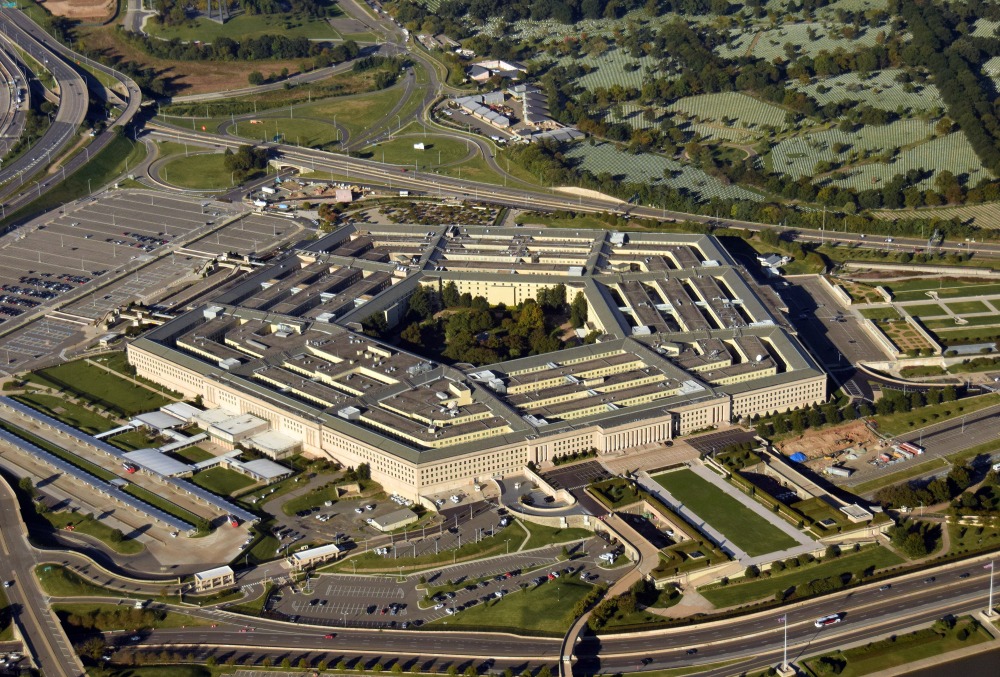
Photo: TechInformed
ITI Raises Concerns Over Supply Chain Risk Designation
The Information Technology Industry Council (ITI), a leading tech trade group representing companies such as Nvidia, Google, Microsoft, Apple, and Amazon, sent a formal letter to Defense Secretary Pete Hegseth on Wednesday expressing serious concerns about the Pentagon’s decision to label a U.S. company as a supply chain risk.
While the ITI letter did not explicitly name Anthropic, it came just days after Hegseth applied that designation to the AI startup following a procurement dispute with the Department of Defense. The group argued that supply chain risk labels are typically reserved for foreign adversaries or entities posing clear national security threats—not domestic companies.
Industry Groups Advocate for Established Processes
The ITI emphasized that contractual disagreements should be resolved through negotiation or existing procurement mechanisms rather than invoking emergency designations. The letter referenced the Federal Acquisition Supply Chain Security Act of 2018 (FASCSA) and the Federal Acquisition Security Council, noting that these frameworks include procedural safeguards, such as formal notice and the right to respond, before a company can be designated a risk.
“Emergency authorities such as supply chain risk designations exist for genuine emergencies and are typically reserved for entities that have been designated as foreign adversaries,” the ITI wrote, underscoring concerns about potential misuse of the label.
Broad Industry Backing
Other tech trade associations—including the Software and Information Industry Association, TechNet, the Computer and Communications Industry Association, and the Business Software Alliance—also sent a joint letter to President Trump on Wednesday expressing similar concerns.
These organizations highlighted that a U.S. company receiving such a designation would be unprecedented, potentially setting a precedent for future government action against domestic firms involved in sensitive technology sectors.
Anthropic’s Position and Industry Reaction
Anthropic, which received a $200 million DoD contract in July, said it was “deeply saddened” by the designation. The company had previously requested assurances that its technology would not be used for autonomous weapons or domestic surveillance, a condition the Pentagon declined.
OpenAI CEO Sam Altman commented that enforcing a supply chain risk designation on Anthropic could harm the broader AI industry and undermine national competitiveness. He noted that OpenAI had reached a separate agreement with the Department of Defense, highlighting the contrast in how AI companies are treated.
Potential Industry Implications
The controversy has intensified discussions around the U.S. government’s approach to emerging technologies and national security. Industry leaders warn that labeling domestic AI companies as supply chain risks could stifle innovation, disrupt public-private partnerships, and create uncertainty for American technology firms engaged in defense contracts.
As AI technologies continue to advance and integrate into national defense systems, the tech sector is likely to continue pressing for clearer guidelines, due process, and a balance between security concerns and support for domestic innovation.
.webp)
Popular articles



Subscribe to unlock premium content
Electric Dreams on Demand

Tokyo’s Futuristic Gardens of Prestige

Elevating Perspectives with Drone Photography
Electric Dreams on Demand
Tokyo’s Futuristic Gardens of Prestige
Electric Dreams on Demand