India’s Inflation Ticks Higher in November as Food and Fuel Relief Fades

India’s Inflation Ticks Higher in November as Food and Fuel Relief Fades
By
Rachel Steinberg
Last updated:
December 15, 2025
First Published:
December 15, 2025

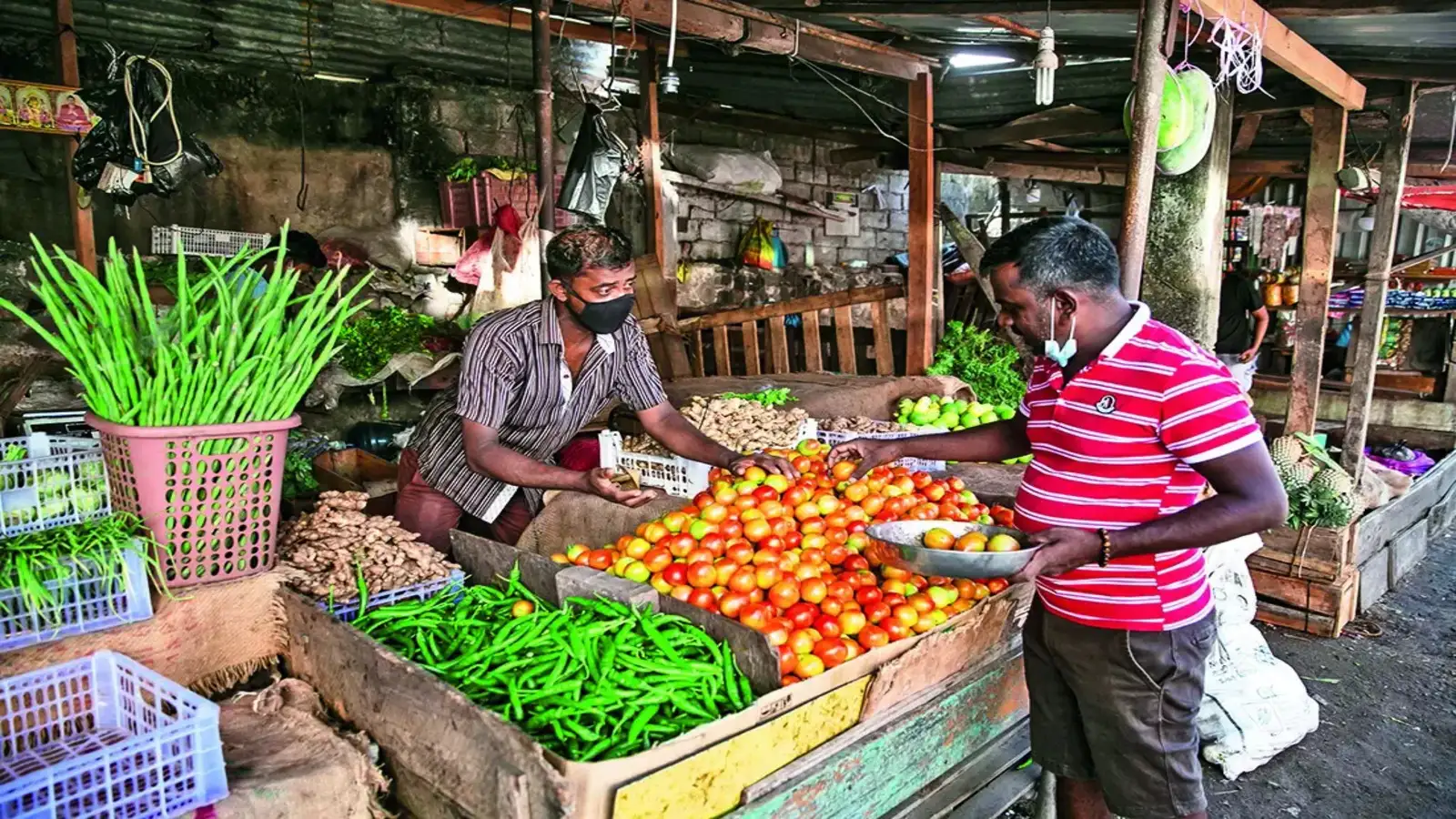
Photo: The Economic Times
Inflation Moves Off Historic Lows
India’s consumer inflation edged higher in November, signaling that the sharp slowdown in price pressures seen earlier this year may be losing momentum. Headline inflation rose to 0.71%, up from a record low of 0.25% in October, according to official data released Friday.
The reading was broadly in line with market expectations, matching the median estimate of 0.70% in a Reuters poll, and still places inflation well below the Reserve Bank of India’s medium-term target.
Food and Fuel Drive the Uptick
The modest acceleration in inflation was largely driven by higher food and energy costs. Prices for vegetables, eggs, meat and fish, spices, and fuel all increased during the month, offsetting earlier declines.
Fuel and light prices rose 2.32% in November, compared with a 1.98% increase in October, reflecting firmer energy costs. Inflation pressures were visible across both urban and rural areas, indicating a broad-based, though still mild, rise in prices.
Despite the uptick, overall inflation remains historically low, offering policymakers continued flexibility.
Monetary Policy Remains Growth-Friendly
The subdued inflation environment, combined with signs of slowing momentum in some economic indicators, prompted the Reserve Bank of India to cut its policy rate by 25 basis points last week. The move was aimed at sustaining growth in one of the world’s fastest-expanding major economies.
The central bank now expects consumer inflation to average 2% in the fiscal year ending March 2026, down from its earlier forecast of 2.6%. Inflation is projected at 2.9% in the quarter ending March, before gradually rising to around 4.0% by the September 2026 quarter.
RBI officials emphasized that the balance between growth and inflation remains favorable. Policymakers reiterated that the current outlook provides sufficient room to support economic activity while keeping price stability intact.
Debate Over the Path Ahead
Economists remain divided on whether the recent rate cut marks the end of the easing cycle. Some analysts argue that continued weakness in global demand and domestic growth risks could justify further monetary support in the coming year.
HSBC Research noted that a combination of low-for-long inflation, tight fiscal conditions, and the possibility of slower growth could require additional accommodative policy in 2026. Others caution that rising food and fuel prices may gradually reintroduce inflationary pressures.
Trade Pressures and External Risks
India’s inflation and growth outlook is also being shaped by external developments. In August, the United States imposed an additional 25% tariff on certain Indian imports, lifting total duties to as high as 50% for some categories. Labor-intensive sectors such as textiles, gems and jewelry, and marine products were among the hardest hit.
While exports to the U.S. account for roughly 2% of India’s GDP, prolonged weakness in these sectors could affect employment and household income, with downstream effects on consumption.
To offset external pressures, the government reduced goods and services tax rates on several items in late September, aiming to stimulate domestic demand ahead of the festive season. These cuts lowered prices for consumer goods, vehicles, and farm products, helping lift consumption in recent months.
Currency and Export Challenges Persist
Despite improved domestic demand, exports to the U.S. fell for a second consecutive month in October, declining 8.5% year over year to $6.3 billion. Overall exports dropped 11.8% to $34.38 billion, reflecting weaker global conditions.
The external slowdown has weighed on the Indian rupee, which recently slipped to record lows against the U.S. dollar, trading below the 90-per-dollar mark. Currency weakness adds another layer of complexity for policymakers as they balance growth support with external stability.
Outlook Remains Cautiously Optimistic
While November’s inflation rise marks a clear shift from October’s historic low, price pressures remain well contained by historical standards. With inflation expected to stay below target in the near term, the central bank retains policy flexibility even as global risks and trade headwinds persist.
For now, India’s challenge lies in sustaining growth momentum while navigating a gradual normalization in inflation and an uncertain external environment.

Popular articles


Subscribe to unlock premium content
The New Wave of Superyacht Ownership

Micro-Experience Convenience Stores Are Reinventing Quick Stops

Custom Vans for Digital Nomads Redefine Mobility

The New Wave of Superyacht Ownership
Micro-Experience Convenience Stores Are Reinventing Quick Stops
The New Wave of Superyacht Ownership