India’s Concert Generation Is Powering a New Consumer Economy
By
David Goldfarb
Last updated:
January 23, 2026
First Published:
January 23, 2026

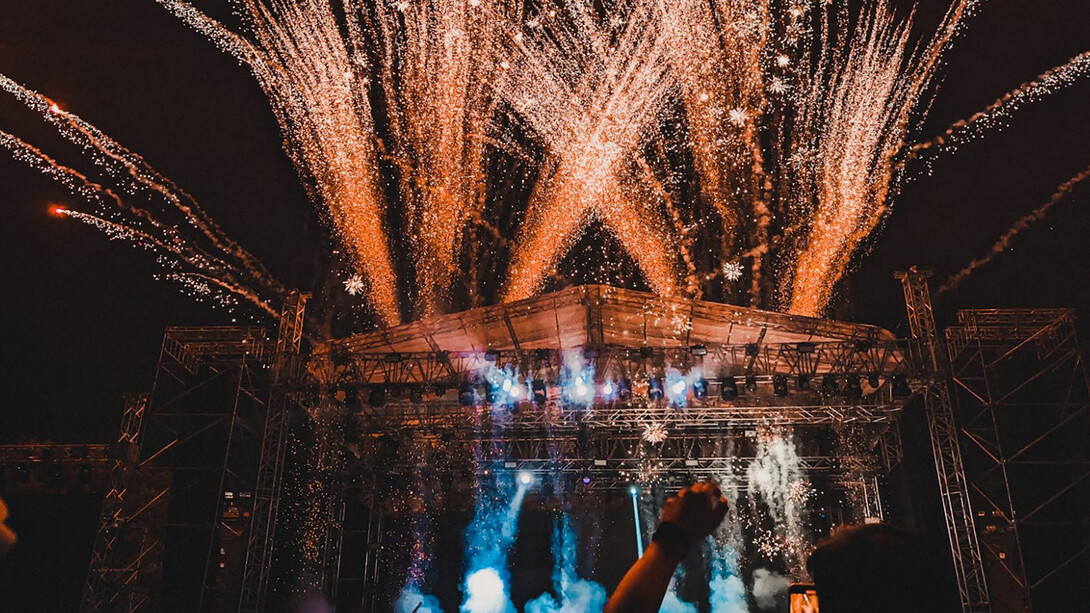
India’s youth are no longer just attending concerts for entertainment. They are transforming live music into a fast-growing economic force that is reshaping tourism, hospitality, digital platforms, and urban development across the country.
For 29-year-old Mumbai-based banking professional Tanvi Shirgaonkar, live events have become a lifestyle priority rather than an occasional indulgence. She is counting down to January 24, when Japanese artist Fujii Kaze headlines Lollapalooza India in Mumbai. It will be one of several concerts she plans to attend this year, alongside frequent international trips to see her favorite artists perform.
A devoted fan of South Korean pop group BTS, Shirgaonkar attends a live event roughly every two months and sees concerts as both a social experience and a cultural statement. Like many in her generation, she values the sense of shared energy, community, and visibility that live entertainment offers, especially in an era shaped by social media and experience-driven consumption.
She represents a rapidly expanding segment of young, affluent Indians whose rising disposable incomes are driving record demand for concerts, comedy shows, festivals, and large-scale touring productions.
A demographic wave reshaping demand
India is entering a demographic sweet spot that few large economies can match. Between 2024 and 2030, the country is expected to add more than 100 million people to its working-age population, the largest increase globally. Today, individuals aged 15 to 59 already account for just over 64 percent of the population, a figure projected to remain close to 65 percent over the next decade.
At the same time, income growth is accelerating. Per capita income is forecast to rise faster in India than in other major emerging markets such as China, Brazil, Mexico, and Russia. This combination of youth, income growth, and urban aspiration is creating a powerful tailwind for discretionary spending, particularly on experiences rather than goods.
Live entertainment is emerging as a direct beneficiary of this shift.
A fast-expanding live events market
India’s live entertainment sector grew 17 percent last year, according to industry estimates, reflecting one of the strongest growth rates globally. In 2025 alone, the country hosted more than 34,000 live events, including concerts, theatre productions, and comedy shows.
Large international tours played a decisive role in that surge. Coldplay’s Music of the Spheres concerts in Ahmedabad and Travis Scott’s Circus Maximus tour, which concluded with shows in New Delhi and Mumbai, demonstrated both the depth of demand and India’s increasing capability to host world-class productions.
Audience data underscores how youth-driven this boom is. Roughly 70 percent of live event attendees are under the age of 35, and more than half are under 30. Industry leaders widely view Coldplay’s India shows as a turning point, proving that Indian audiences can sustain stadium-scale events comparable to those in North America or Europe.
Global artists are responding by expanding their India itineraries. Instead of single-city stops, many tours now include multiple Indian destinations, reflecting broader geographic demand and the growing reach of digital streaming platforms that have built nationwide fan bases.
Affluence and the rise of premium experiences
A key force behind the live entertainment surge is the rapid growth of affluent and upper-middle-income households. As basic consumption stabilizes, spending is increasingly shifting toward leisure, travel, and experiences that offer emotional and social value.
This change is visible in ticketing trends. Demand for premium live-event offerings such as VIP pits, exclusive viewing decks, artist lounges, and curated hospitality zones doubled in 2025. Consumers are not just buying access to performances; they are paying for status, comfort, and differentiated experiences.
Industry executives describe the moment as a renaissance for live entertainment, driven by a fundamental reassessment of how people choose to spend their free time. Experiences that offer memorability and shareability are winning a larger share of wallets.
Beyond the metros
One of the most notable shifts is the expansion of live entertainment beyond traditional metropolitan centers. While Mumbai, Delhi, and Bengaluru remain anchor markets, smaller cities are emerging as unexpected growth hubs.
Live event footfalls rose more than 200 percent in Shillong, nearly 190 percent in Guwahati, and close to 100 percent in Nashik in 2025. Organizers attribute this trend to the increasingly borderless nature of fandom, where digital access has erased the cultural divide between metro and non-metro audiences.
Fans in smaller cities are just as willing to travel, spend, and engage, prompting promoters to rethink tour routing and city selection.
Spillover effects across the economy
The economic impact of live entertainment now extends far beyond ticket sales. Concert tourism is boosting hotel occupancy, airline bookings, local transport, food and beverage sales, and retail spending.
Coldplay’s Ahmedabad concerts alone generated an estimated 6.41 billion rupees, or about $70 million, in economic value across hospitality, tourism, transport, and local commerce. For cities, hosting major events is increasingly seen as a tool for economic activation and global branding.
Recognizing this potential, India has set an ambition to rank among the world’s top five live entertainment destinations by 2030.
Infrastructure and execution challenges
Despite the momentum, structural constraints remain. India currently has fewer than ten purpose-built venues capable of hosting audiences above 10,000 in major cities, and almost none in smaller urban centers. Organizers often rely on temporary infrastructure, which raises costs and operational complexity.
Audience expectations are also rising rapidly. Smooth entry and exit, crowd safety, sanitation, transport connectivity, and high production standards are no longer optional. Meeting these expectations will require sustained investment in venues, logistics, and event management capabilities.
Still, industry leaders believe the sector is nearing an inflection point. The success of recent mega tours has redefined what is possible in the Indian market and positioned new cities as viable concert destinations.
A breakout phase ahead
Looking ahead, live entertainment is set to become a core pillar of India’s consumer economy rather than a niche segment. With a young population, rising incomes, expanding digital access, and growing global integration, the country is entering a phase where concerts and live events are not just cultural moments but economic catalysts.
As one industry executive put it, the coming year could mark the transition from rapid growth to sustained scale. For India’s concert generation, the music is just getting louder, and the money is clearly following.
.webp)
Popular articles



Subscribe to unlock premium content
Chile’s Desert Skies Are Becoming the World’s Most Exclusive Destination

The Rise of Heritage Manor Stays in the United Kingdom Countryside
H&M’s Circular Fashion Model Is Redefining Fast Fashion’s Future

Chile’s Desert Skies Are Becoming the World’s Most Exclusive Destination
The Rise of Heritage Manor Stays in the United Kingdom Countryside
Chile’s Desert Skies Are Becoming the World’s Most Exclusive Destination