
India’s $50 Billion Remittance Lifeline Faces Risk as Middle East Conflict Intensifies

India’s $50 Billion Remittance Lifeline Faces Risk as Middle East Conflict Intensifies
By
Alina Sinclair
Last updated:
March 5, 2026
First Published:
April 25, 2026

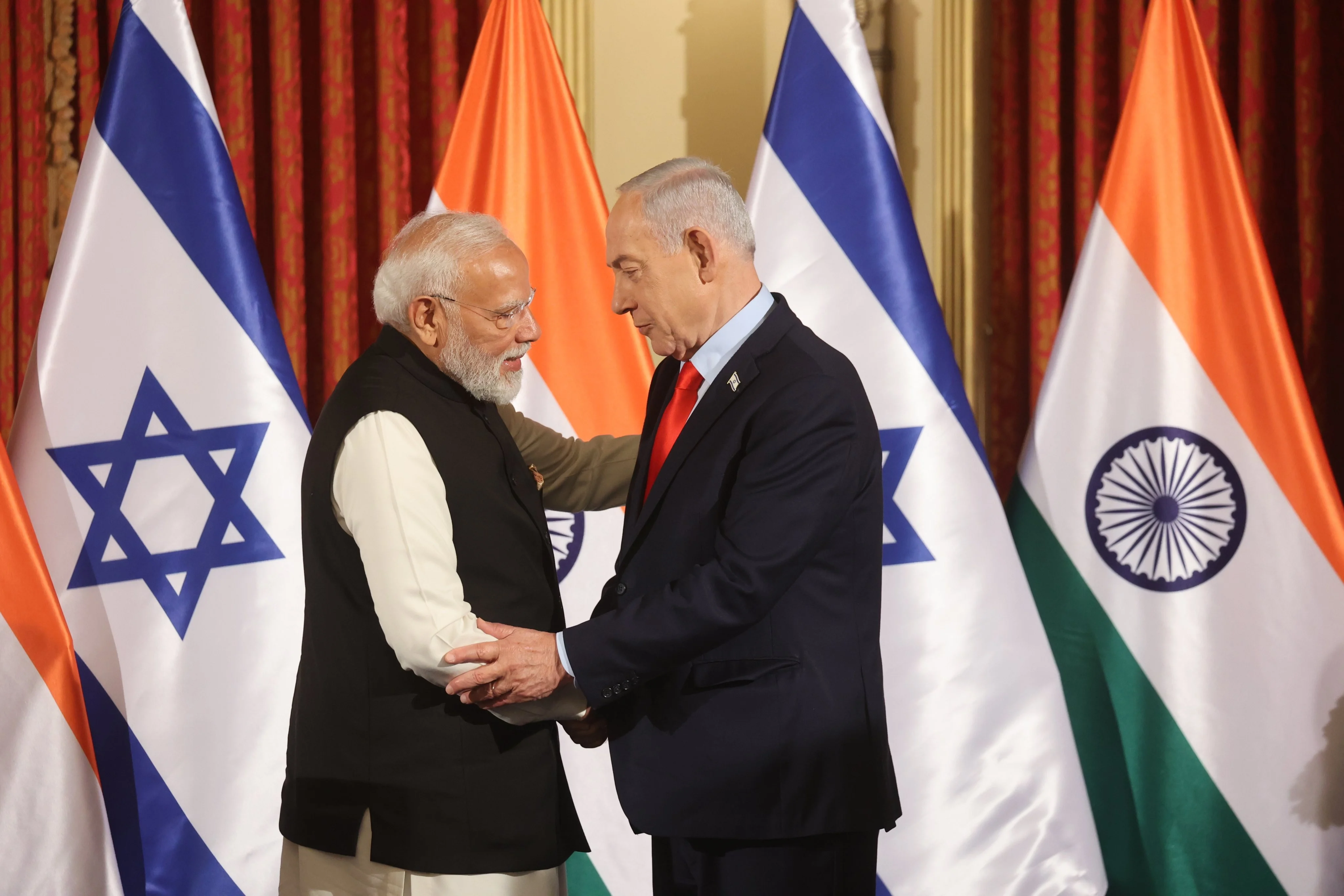
Photo: South China Morning Post
A Critical Economic Lifeline Under Pressure
As geopolitical tensions escalate across the Middle East, India is facing growing economic risks that extend well beyond energy markets and aviation routes. One of the country’s most vital financial lifelines—remittances from overseas workers—could also come under strain if the conflict drags on.
India has held the position of the world’s largest recipient of remittances for several years. In the financial year 2025 alone, the country received approximately $135.4 billion in remittance inflows, according to recent financial data. These transfers represent nearly 3.5 percent of India’s gross domestic product, a larger share of the economy than exports to the United States, which account for roughly 2 percent.
The Middle East plays a particularly dominant role in this inflow. Roughly 9 million Indian nationals live and work across Gulf countries, sending billions of dollars back to families in India each year. Their contributions form the backbone of remittance inflows and help stabilize the country’s external finances.
Gulf Nations Account for a Massive Share
The financial connection between India and the Gulf region is substantial. According to recent banking estimates, Gulf nations contribute about 38 percent of India’s total remittance inflows.
Based on the $135.4 billion total recorded in FY2025, that share translates into roughly $51.4 billion sent from the Middle East to India annually. To understand the scale of this figure, consider that India’s total trade surplus with the United States reached $58.2 billion in 2025. In other words, money sent home by workers in Gulf economies nearly matches one of India’s most important trade balances.
The United Arab Emirates remains one of the largest sources of these transfers, accounting for nearly one-fifth of total remittance flows to India. The United States is the largest single country source at about 27.7 percent.
In recent years, remittances have even surpassed foreign direct investment inflows into India, underscoring how essential migrant worker earnings have become to the country’s economic stability.
Sectors Employing Indian Workers Are Vulnerable
Many Indian expatriates in the Gulf are employed in sectors that are especially sensitive to geopolitical instability. Large numbers work in construction, oil services, hospitality, logistics, and retail.
These industries rely heavily on regional economic stability and infrastructure development. Any slowdown triggered by prolonged conflict—particularly disruptions linked to Iranian military activity or broader regional tensions—could reduce employment opportunities or delay major projects.
If companies pause construction projects or cut operational spending, migrant workers could face reduced hours, job losses, or delays in wage payments. That scenario would directly affect the amount of money flowing back into India.
Economists warn that a sharp drop in remittance inflows could have wider macroeconomic implications. A decline in these transfers, especially if combined with rising oil prices, could weaken India’s external balance and place downward pressure on the Indian rupee.
Oil Prices and Currency Pressures Add to the Risk
India is already highly exposed to energy market volatility. The country imports nearly 85 percent of its crude oil, making it extremely sensitive to price shocks triggered by geopolitical conflict.
As tensions rise across the Middle East, global oil prices have begun climbing again, increasing the likelihood that India’s energy import bill will swell significantly. A sustained surge in crude prices could widen the country’s current account deficit.
Remittances typically help offset this imbalance by bringing large volumes of foreign currency into the economy. If both oil prices rise and remittance flows weaken simultaneously, the pressure on India’s external finances could intensify.
Such a combination would make currency stability more difficult for policymakers and could push the rupee lower against major global currencies.
Duration of the Conflict Will Determine the Impact
For now, economists say the scale of the economic impact will largely depend on how long the conflict continues.
A short or contained confrontation may cause only temporary disruptions. In such a scenario, the effects on remittances would likely be limited to short-term uncertainty affecting contract workers or project delays.
However, a prolonged regional conflict would significantly increase the risks. If tensions continue for several months, economic activity across Gulf economies could slow, particularly in construction and services sectors that employ large numbers of migrant workers.
Analysts suggest that if hostilities persist for more than six months, the consequences for India’s economy could become more substantial.
Short-Term Effects Could Be Mixed
Interestingly, short-term remittance trends during periods of geopolitical uncertainty can sometimes move in the opposite direction.
When risks increase, migrant workers may send more money home as a precautionary measure. Economists describe this as a “risk aversion” effect, where workers accelerate transfers to secure their families’ finances in case conditions worsen.
This phenomenon could temporarily boost remittance inflows in the early stages of a crisis. However, if the conflict continues long enough to disrupt employment opportunities in the region, that temporary increase could quickly reverse.
Conflict Expands Across the Region
The broader geopolitical environment is becoming increasingly uncertain. The ongoing confrontation involving the United States, Iran, and regional actors has already entered its sixth day, with tensions spreading beyond initial flashpoints.
Reports of attacks targeting diplomatic facilities in regional capitals have heightened fears that the conflict could expand geographically. Officials in Washington have indicated that military operations could intensify and continue longer than originally anticipated.
If the conflict spreads further across the Gulf region, economic disruptions could ripple through energy markets, infrastructure projects, tourism, and trade routes—all sectors that directly or indirectly support migrant employment.
Multiple Economic Fronts at Risk
India is therefore facing a complex set of interconnected economic challenges tied to the Middle East crisis.
Energy imports may become more expensive, aviation routes are already facing restrictions due to airspace closures, and the financial contributions of overseas workers could be threatened if Gulf economies slow down.
Each of these pressures alone would be manageable. Combined, however, they could create a more difficult macroeconomic environment for policymakers in New Delhi.
Key Developments to Watch
Oil supply concerns in New Delhi
India relies heavily on imported energy, bringing in roughly 85 percent of its crude oil from abroad. Rising geopolitical tensions in the Middle East are pushing global oil prices higher, which could significantly increase the country’s energy import bill. Indian airlines are also experiencing higher operational costs due to restricted airspace across parts of the Gulf.
India and Canada signal stronger cooperation
During a recent visit to New Delhi, Canadian Prime Minister Mark Carney and Indian leaders pledged to strengthen diplomatic and trade ties. The two countries indicated they would work toward expanding economic cooperation and resolving past disagreements.
India posts stronger economic growth
India’s economy expanded at an annualized rate of 7.8 percent in the quarter ending in December, exceeding many forecasts. The stronger performance follows revisions to the country’s methodology for calculating economic output, which officials say will improve the accuracy of national growth estimates.
Outlook
For now, the biggest question is whether the Middle East conflict will remain contained or evolve into a prolonged regional crisis. India’s economic exposure to the region—through energy imports, aviation routes, and migrant labor—means the country has significant stakes in the outcome.
If the situation stabilizes quickly, the economic effects may remain manageable. But if the conflict continues to escalate, one of India’s most important financial lifelines—remittances from millions of overseas workers—could face growing pressure in the months ahead.
.webp)
Popular articles



Subscribe to unlock premium content
How Finland Uses Ice Swimming Festivals to Boost Winter Tourism and Local Economies

The Boom of Luxury Personal Libraries Renting Rare Books to the Ultra-Wealthy

Why Bhutan’s Hand-Woven Textiles Are Gaining Global Collector Value

How Finland Uses Ice Swimming Festivals to Boost Winter Tourism and Local Economies
The Boom of Luxury Personal Libraries Renting Rare Books to the Ultra-Wealthy
How Finland Uses Ice Swimming Festivals to Boost Winter Tourism and Local Economies


