India Signals Up to $80 Billion Boeing Jet Order as U.S. Trade Pact Nears Finalization

India Signals Up to $80 Billion Boeing Jet Order as U.S. Trade Pact Nears Finalization
By
Leah Rosenfeld
Last updated:
February 6, 2026
First Published:
February 6, 2026

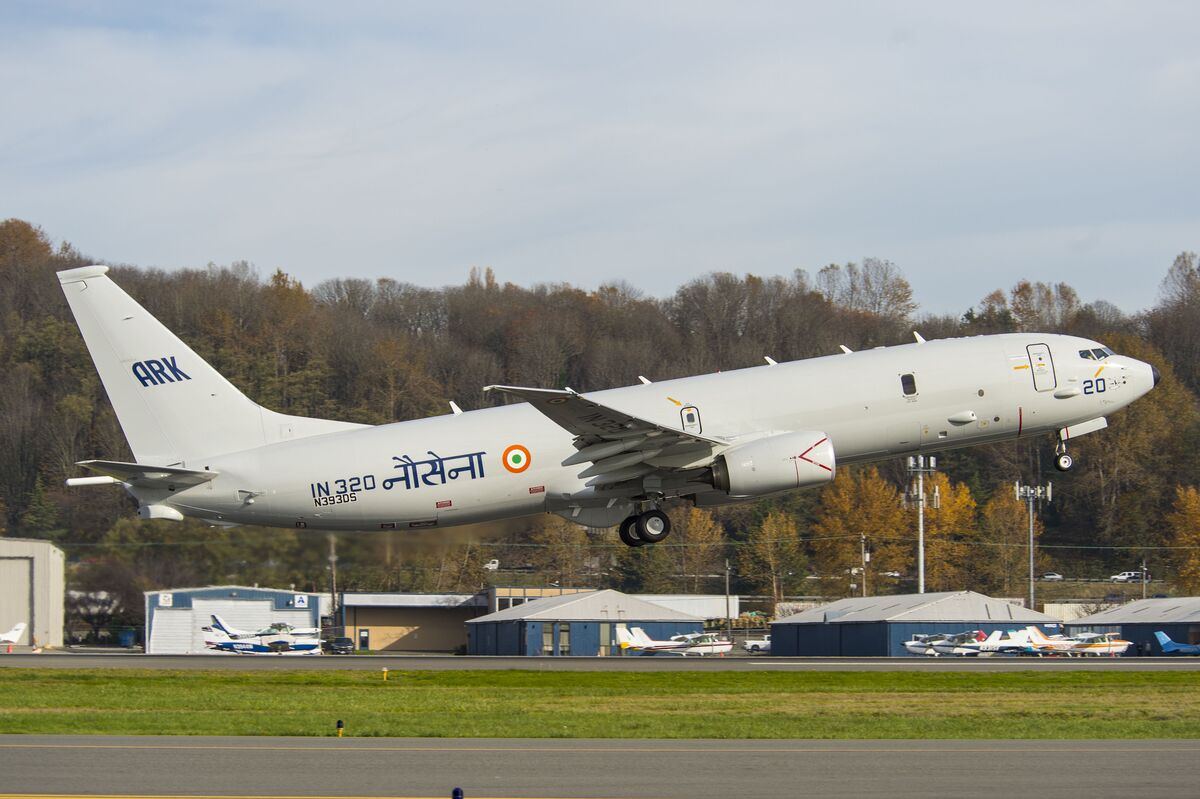
Photo: Bloomberg.com
India is preparing to place aircraft orders worth as much as $80 billion with Boeing, a move that underscores New Delhi’s push to rapidly expand trade ties with the United States following a newly announced bilateral deal.
Commerce and Industry Minister Piyush Goyal said India’s demand for Boeing aircraft alone is approaching $80 billion, with orders still pending but effectively “ready.” He added that once jet engines, maintenance contracts, and spare parts are included, total U.S. imports linked to aviation could exceed $100 billion.
The potential mega-order comes as India and the U.S. move closer to formalizing the first phase of their trade agreement, expected to reshape commercial flows between the two economies.
Aviation at the Center of a Growing Trade Relationship
India’s booming aviation market is driving much of the proposed spending. With passenger traffic rising at double-digit rates and airlines racing to expand fleets, the country has become one of the fastest-growing aircraft markets in the world.
Goyal said the Boeing purchases form part of a much broader ambition: India could potentially buy at least $500 billion worth of goods from the U.S. over the next five years. While he clarified that this is not a binding commitment written into the trade deal, it reflects the scale of opportunity officials see across sectors such as aviation, energy, defense, and technology.
Aircraft imports alone would represent a significant jump in bilateral trade. For context, India imported $45.3 billion worth of goods from the U.S. in financial year 2025, out of total goods imports of $720.24 billion. India’s overall trade deficit that year stood at $94.3 billion.
Trade Deal Details and Timeline
The momentum follows President Donald Trump’s announcement earlier this week that Washington and New Delhi had reached a trade agreement, coming shortly after India finalized a separate deal with the European Union.
Under the U.S.–India arrangement, Trump said American tariffs on Indian exports would be reduced to 18%, down sharply from levels that had reached as high as 50%. In return, he claimed India would lower duties on U.S. goods to zero, open sensitive sectors such as agriculture, shift energy imports away from Russia toward suppliers like the U.S. and Venezuela, and purchase $500 billion in American products.
Indian officials have confirmed the tariff reduction on exports but have not publicly endorsed several of Trump’s other claims, including zero-duty access for U.S. goods, halting Russian oil imports, or a firm $500 billion purchase commitment.
Goyal said both countries are expected to issue a joint statement within the next three to four days, formalizing the first tranche of the deal. Once that statement is released, the 18% tariff rate on Indian exports to the U.S. will take effect.
A more comprehensive agreement is slated for mid-March. After that, tariff concessions for U.S. goods entering India are expected to be implemented.
Political Pushback and Market Skepticism
The lack of detailed disclosures has drawn criticism at home.
Opposition leader Rahul Gandhi accused Prime Minister Narendra Modi of having “surrendered on tariffs,” questioning whether India had conceded too much in negotiations with Washington. The government, meanwhile, has remained cautious in confirming specific commitments beyond the initial tariff changes.
Economists and trade experts also warn that Trump’s headline figure of $500 billion in U.S. exports to India over five years may be difficult to achieve. That target would imply a dramatic acceleration in bilateral trade, far exceeding current levels.
Some analysts point to past U.S. trade negotiations as a reason for caution, noting that Washington has previously threatened to revise tariff terms even after deals were signed, including with South Korea.
Boeing Deal Comes Amid Ongoing Legal Scrutiny
The proposed Boeing purchases also arrive as the aircraft manufacturer faces legal challenges in India.
Families of passengers killed in last year’s Air India crash in Ahmedabad are pursuing legal action against Boeing, alleging that defective dual switches contributed to the disaster. The crash claimed 241 of the 242 lives on board, making it one of the deadliest aviation incidents in India in recent years.
While the lawsuit has not derailed government-level discussions, it adds a layer of complexity to Boeing’s relationship with Indian stakeholders at a time when the company is seeking to secure one of the largest commercial aircraft orders in its history.
What This Means for Both Economies
For India, the potential Boeing deal supports its ambition to modernize aviation infrastructure, accommodate surging domestic travel, and strengthen ties with the U.S. at a time of shifting global supply chains.
For the United States, large aircraft orders would provide a major boost to manufacturing exports, jobs, and the aerospace sector, while helping narrow the bilateral trade gap.
If finalized, the combination of aviation purchases, tariff reductions, and expanded market access could mark a turning point in U.S.–India economic relations. Still, with key details unresolved and political scrutiny mounting, the success of the agreement will depend on how closely rhetoric aligns with the final terms signed in the weeks ahead.
.webp)
Popular articles



Subscribe to unlock premium content
Soaring Above Luxury

A Taste of Italy Redefined

Designing the World, One Market at a Time

Soaring Above Luxury
A Taste of Italy Redefined
Soaring Above Luxury