How Levi’s American Eagle and Gap Ignited a High-Stakes Fashion Battle

How Levi’s American Eagle and Gap Ignited a High-Stakes Fashion Battle
By
Rachel Steinberg
Last updated:
December 4, 2025
First Published:
April 25, 2026

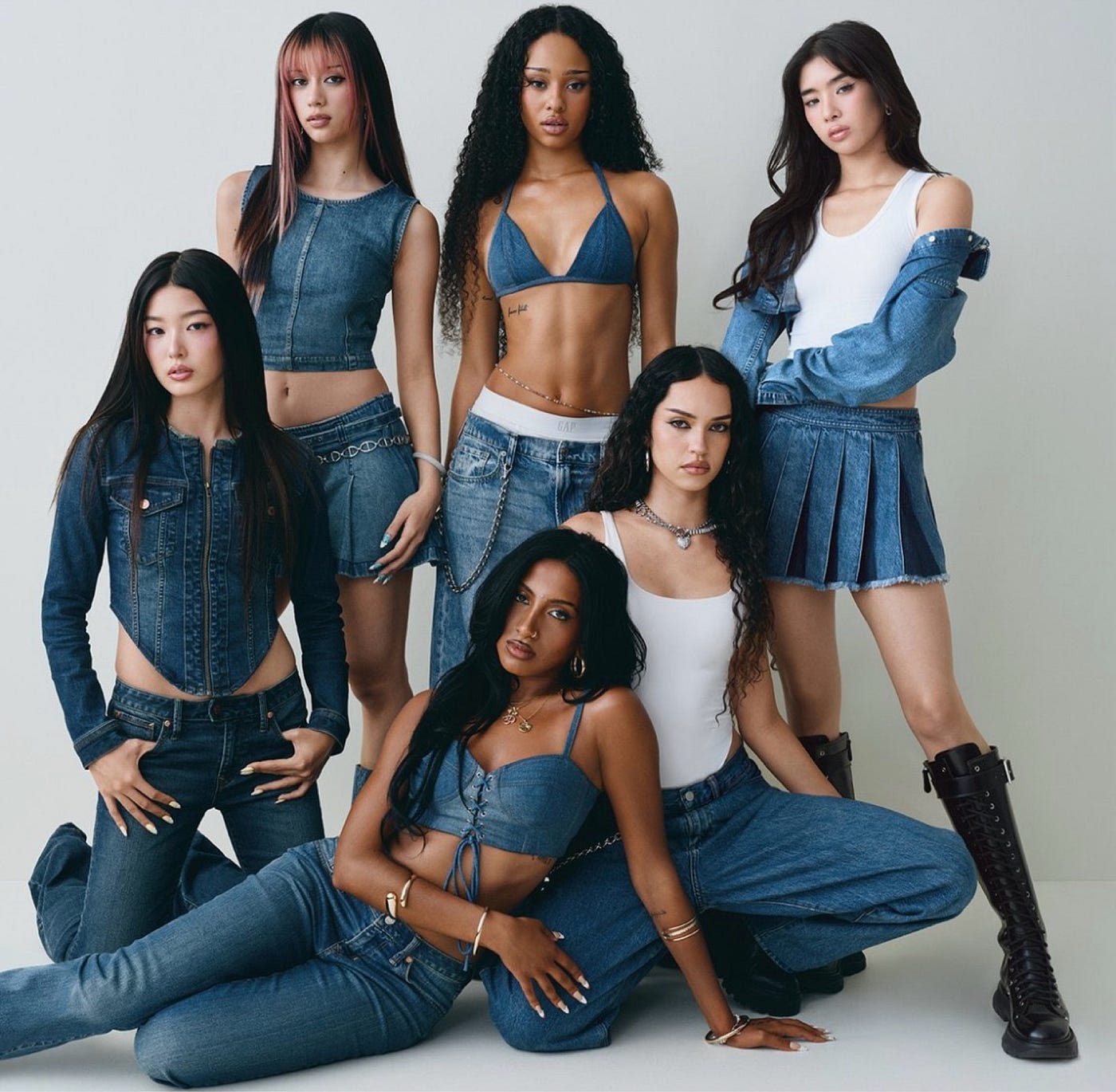
Photo: Rosalyn Morris - Medium
A fierce new rivalry is reshaping the American fashion landscape. Denim giants including Levi Strauss American Eagle and Gap have launched some of the most expensive and star-driven marketing campaigns of the decade. With Beyoncé Sydney Sweeney Martha Stewart and social-media powerhouses stepping into the spotlight these brands are waging what analysts are calling a full-scale “denim war.”
Behind the glossy ads is a much deeper story — one of shifting consumer preferences a volatile apparel market and three major retailers struggling to stay culturally relevant. The result is an arms race in celebrity endorsements costing retailers millions but delivering the attention they desperately need in a crowded marketplace.
A Marketing Spark: Beyoncé and the Levi’s Effect
The current denim escalation began last year when Levi Strauss CEO Michelle Gass unexpectedly heard Beyoncé’s track “Levii’s Jeans” while running. The song’s organic name-drop represented a rare cultural lightning strike. Gass later described the moment as “a once in a lifetime opportunity that demanded action.”
Six months later Levi’s unveiled Beyoncé as the face of its global campaign — a move that instantly set a new standard for fashion advertising. Competitors reacted quickly. Gap launched a TikTok-driven campaign featuring girl group Katseye while American Eagle tapped Sydney Sweeney and later Martha Stewart to capture attention across social channels.
The results were immediate. According to EDO data denim ad airings jumped almost 70 percent year over year, and the global jeans market expanded to $101 billion — up 28 percent from 2020. Levi’s own ads performed 304 percent better than the average apparel commercial.
Celebrity Influence Reaches Smaller Brands Too
Even brands without massive budgets have benefited from celebrity attention. When Kylie Jenner posted a photo wearing True Religion jeans in August sales spiked sharply. The brand saw a 38 percent increase in denim sales within 48 hours of Jenner and Alix Earle’s posts — a surge equivalent to what many labels might achieve only through six-figure ad spending.
True Religion executives called the moment “the ultimate compliment,” noting that Jenner normally charges anywhere from $500,000 to $1 million per Instagram carousel.
Why Denim Is Booming Again
The renewed denim craze did not emerge from thin air. Fashion cycles consistently rotate and after years dominated by leggings and sweatpants consumers began craving structure again.
Analysts trace the current wave back to the post-pandemic shift when shoppers wanted to re-enter the world feeling dressed “like themselves” instead of bedroom casual. Unlike past eras where a single cut ruled — skinny jeans in the 2000s bell bottoms in the 1970s — today’s denim landscape is far more democratic.
Wide-leg bootcut barrel jeans slouchy fits rigid styles and 90s silhouettes are all trending simultaneously. Consumers are also branching beyond jeans into denim skirts dresses jackets and matching sets creating a larger revenue pool for brands willing to invest aggressively.
A More Competitive Market Than Ever
The challenge is that consumers are more price-sensitive and less brand-loyal than before. Gen Z shoppers in particular are turning toward thrifting Depop vintage Levi’s and fast-fashion alternatives from Shein or Zara. This leaves even iconic players fighting for every purchase.
Retail analyst Neil Saunders summarizes the landscape bluntly:
“There is a battle for attention comfort fit and brand identity. Denim is no longer an automatic purchase. It is a category retailers must earn every time.”
Levi’s Strategic Push to Win Women
While Levi’s is still seen as the category’s cultural leader the company is deeply focused on attracting female shoppers. When the Beyoncé campaign debuted women’s apparel represented about 35 percent of Levi’s revenue. A year later it grew to around 38 percent and Gass says the brand aims for women to represent half of its business.
The strategy is paying off. Levi’s SG&A expenses rose nearly $200 million in the fiscal year ending December 2024 largely due to campaign spending but both sales and profitability improved. The company considers the Beyoncé initiative one of its highest-return marketing bets in recent years.
Gap and American Eagle: Fighting for Relevance
For Gap and American Eagle this denim surge has become much more than a revenue driver — it is a reinvention strategy. Both brands have spent years losing cultural visibility and retail traffic as mall fashion declined.
Gap’s Katseye campaign reached 8 billion impressions and delivered 7 percent comparable sales growth at the namesake banner — more than double Wall Street expectations. The ad also achieved 50 million YouTube views, far outpacing many legacy retail ads.
American Eagle’s Sweeney campaign generated billions of impressions and temporary meme-stock status but also unwanted controversy. Yet in the weeks following the ads the company added 700,000 new customers, saw improved traffic and reported its first meaningful sales lift of the year. SG&A costs climbed $35 million — largely due to celebrity campaigns — but margins remained resilient.
The Cultural Stakes
What makes this denim battle unique is that it extends far beyond fashion. Brands are trying to reclaim their place in pop culture. Denim is being used as a cultural “halo” to recast brand identity attract younger shoppers and create viral moments with economic payoff.
Saunders explains:
“These campaigns are not only about selling jeans. They are about proving relevance in a cultural landscape that moves faster than ever.”
YouTube and TikTok Engagement: The Numbers Tell the Story
The YouTube race highlights the intensity of the competition:
- Levi + Beyoncé campaign: 85 million combined views
- Gap’s Katseye ad: 50 million views
- American Eagle Sydney Sweeney ad: 10 million views
Even with higher view counts the effectiveness of ads improved as well. EDO reports that denim ad engagement rose 9 percent year over year, meaning the creative quality mattered more than volume.
The Denim War Moves Forward
The denim category is now one of the few bright spots in a sluggish apparel environment. With the jeans market climbing past $100 billion, the rivalry is expected to intensify. Retailers are experimenting with new washes recycled fabrics premium fits and gender-neutral silhouettes while also testing shoppable videos and AI-powered digital try-ons.
For Levi American Eagle and Gap this is not just a trend cycle. It is a fight for brand power generational relevance and long-term loyalty — with denim serving as the battlefield.
In a retail economy where every dollar is contested these companies are pushing harder than ever and celebrity influence has become their sharpest weapon.
.webp)
Popular articles



Subscribe to unlock premium content
Step Into the Future of Art

London’s Gourmet Playgrounds

The New Frontier of Children’s Entertainment

Step Into the Future of Art
London’s Gourmet Playgrounds
Step Into the Future of Art