How Disney’s Advertising Chief Is Turning Streaming, Sports, and Technology Into a Multi-Billion-Dollar Growth Engine

How Disney’s Advertising Chief Is Turning Streaming, Sports, and Technology Into a Multi-Billion-Dollar Growth Engine
By
Alina Sinclair
Last updated:
June 1, 2026
First Published:
June 1, 2026

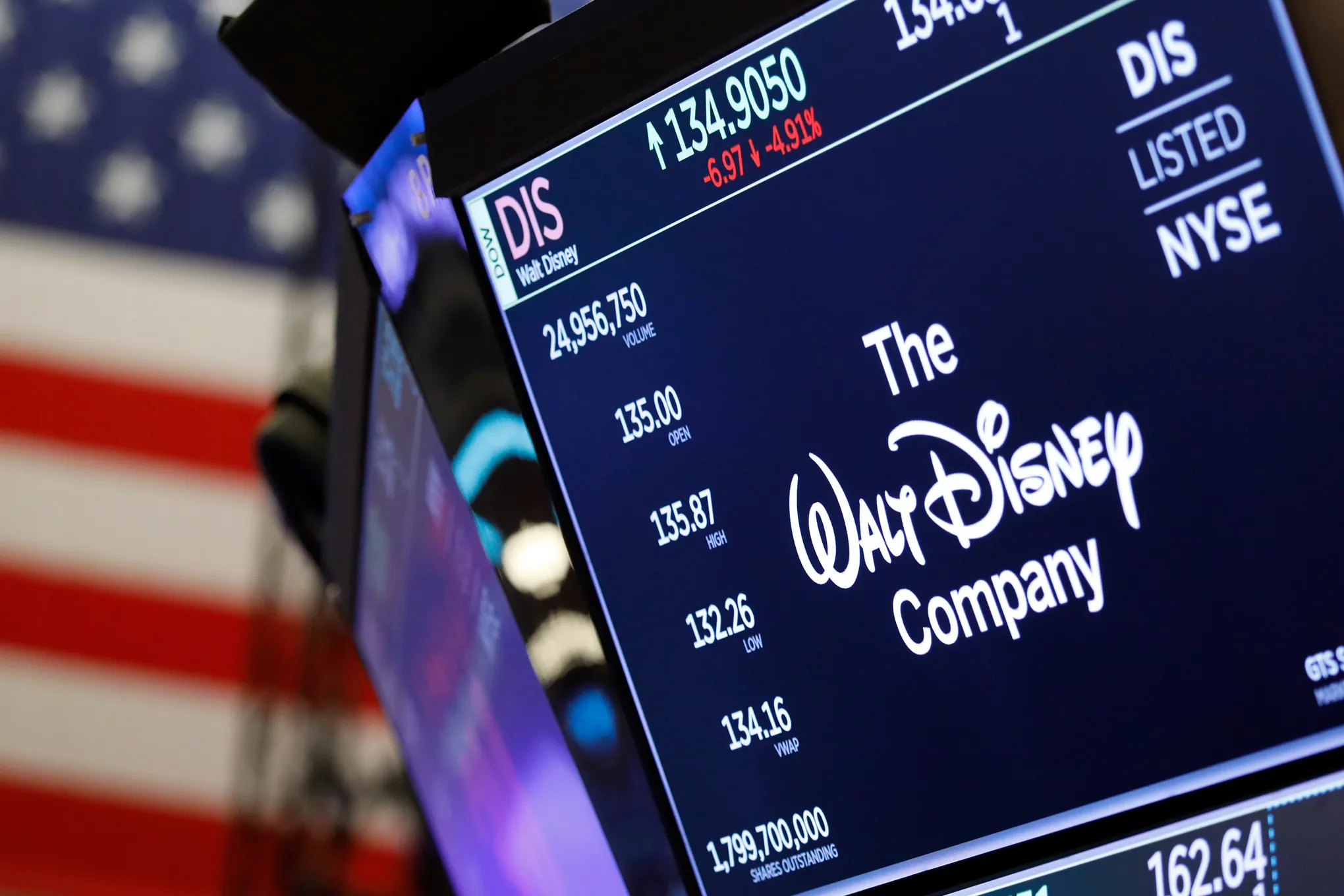
Photo: The Seattle Times
As the media industry undergoes one of the most dramatic transformations in its history, one executive has emerged as a key architect behind Disney’s advertising resurgence. Rita Ferro, President of Global Advertising at The Walt Disney Company, is overseeing a rapidly expanding advertising business that sits at the intersection of streaming, live sports, entertainment, technology, and data.
At a time when traditional television audiences are shrinking, streaming competition is intensifying, and advertisers are demanding greater precision in targeting consumers, Disney is positioning itself as one of the industry's most powerful advertising platforms.
The timing could hardly be better. In 2027, Disney’s portfolio is expected to include some of the most valuable advertising properties in the world, including the Super Bowl, the Oscars, and the Grammys. Combined with the company’s expanding streaming business and world-renowned intellectual property, Disney is building a media ecosystem that few competitors can match.
Advertising Returns to Center Stage
For years, media companies focused heavily on subscriber growth as streaming platforms raced to attract new users.
Today, the economics of the industry are changing.
Investors and executives increasingly care less about adding subscribers at any cost and more about profitability, monetization, and advertising revenue.
That shift has significantly elevated the importance of ad-supported streaming models.
Disney has become one of the largest beneficiaries of this transition.
Its entertainment portfolio spans broadcast television, cable networks, streaming platforms, sports programming, film franchises, and theme parks. Together, these assets create a unique environment where advertisers can reach consumers across multiple platforms through a single partner.
As brands search for larger and more engaged audiences, Disney’s combination of premium content and live events has become increasingly attractive.
Rita Ferro’s Rise to the Top
Ferro’s journey to leading Disney’s global advertising business spans nearly three decades.
Over her 29-year career at Disney, she has worked across multiple divisions, including international operations, family programming, digital media, and interactive entertainment.
Her experience extends well beyond traditional television advertising.
She has worked in international markets, digital products, gaming initiatives, and emerging media businesses, giving her a broad understanding of how audiences consume content across different platforms.
After becoming President of Advertising Sales in the United States in 2018, Ferro was promoted to oversee Disney’s global advertising operations in 2023.
Today, she manages advertising sales across Disney’s vast portfolio of entertainment, sports, news, digital, and streaming assets worldwide.
Her responsibilities include monetizing some of the most recognizable brands in media while helping advertisers connect with hundreds of millions of consumers.
The Power of “One Disney”
A major component of Disney’s strategy revolves around what company leaders describe as the “One Disney” approach.
Under the leadership of CEO Josh D'Amaro, Disney is increasingly focused on integrating its various businesses into a single consumer ecosystem.
Rather than treating movies, streaming, television, sports, consumer products, and theme parks as separate operations, Disney aims to create unified experiences that maximize customer engagement and lifetime value.
For advertisers, this creates opportunities that extend far beyond traditional commercials.
Brands can now participate in integrated campaigns that combine movie releases, sports sponsorships, theme park activations, streaming promotions, social media engagement, and consumer product partnerships.
This interconnected strategy allows Disney to offer advertisers access to audiences at multiple touchpoints throughout the consumer journey.
Live Sports Remain the Ultimate Advertising Asset
One of Disney’s greatest competitive advantages is sports.
Through ESPN, the company controls one of the most valuable collections of live sports rights in the world.
As streaming services continue to fragment audiences, live sports remain one of the few categories capable of attracting massive real-time viewership.
Advertisers place a premium on those audiences because viewers are far more likely to watch events live rather than skip commercials.
The value of sports programming has risen dramatically over the past decade.
The NFL's current media rights agreements are worth approximately $111 billion over 11 years, while the NBA's latest media package carries a value of roughly $77 billion over the same period.
These enormous investments require media companies to maximize advertising revenue and sponsorship opportunities.
For Disney, sports advertising has become a crucial profit driver.
The company will broadcast the Super Bowl through ESPN and ABC, marking one of the most significant advertising opportunities in television.
Industry analysts expect Super Bowl commercials to command around $10 million for a 30-second advertisement, setting new records for advertising pricing.
Streaming Becomes a Major Revenue Engine
Disney’s streaming strategy has evolved considerably over the past several years.
While subscriber growth initially dominated investor discussions, advertising has emerged as an increasingly important contributor to profitability.
The company introduced an ad-supported tier for Disney+ in late 2022, joining Hulu, which had already established itself as one of the pioneers in streaming advertising.
The results have been encouraging.
Disney has reported strong double-digit growth in streaming advertising revenue, helping offset declines in traditional television advertising and affiliate fees.
Streaming has become particularly attractive for advertisers because it offers greater targeting capabilities, more detailed measurement, and improved audience segmentation compared with traditional television.
As consumers continue migrating from cable to streaming services, advertising-supported streaming is becoming one of the industry's most important growth areas.
Disney’s Technology Strategy Is Becoming a Competitive Advantage
Beyond content and audiences, Disney is making significant investments in advertising technology.
In today’s digital advertising environment, data and targeting capabilities often determine which platforms receive marketing budgets.
To compete with major technology companies such as Google and Meta, Disney has spent years building its own advertising technology infrastructure.
The company has developed sophisticated tools that connect linear television and streaming advertising, improve audience measurement, and enhance campaign performance tracking.
One of its most important initiatives is Disney Audience Graph, a first-party data platform designed to help advertisers better understand viewer behavior and improve targeting accuracy.
The company has also expanded partnerships with measurement firms and analytics providers to provide marketers with more comprehensive performance insights.
These investments are helping Disney compete not only against traditional media companies but also against major digital advertising platforms.
Intellectual Property Drives Advertiser Demand
Disney’s advertising strategy benefits enormously from its unmatched collection of intellectual property.
The company owns some of the world's most recognizable entertainment brands, including franchises from:
• Marvel Studios
• Lucasfilm
• Pixar Animation Studios
• 20th Television
• ABC
These brands generate passionate fan communities that advertisers increasingly seek to access.
Rather than simply buying airtime, brands can align themselves with cultural moments, blockbuster releases, sports championships, and premium entertainment experiences.
This ability to connect advertising with highly engaged fan bases has become one of Disney’s strongest selling points.
International Markets Represent the Next Growth Frontier
While Disney remains dominant in North America, international expansion is becoming a key priority.
The company sees significant opportunities to grow Disney+ and its advertising business outside the United States.
Many international markets remain underpenetrated relative to the U.S., offering substantial room for future growth.
Disney is increasing investments in local content production, regional partnerships, and international streaming operations to strengthen its global presence.
For Ferro, international expansion is particularly meaningful because it reflects the early stages of her own career, which began in Latin American media markets before she joined Disney.
Her experience across global markets provides valuable insight as the company seeks to replicate its advertising success internationally.
Why Investors Are Paying Attention
The media landscape has changed dramatically over the past decade.
Traditional television advertising has faced pressure from cord-cutting, social media competition, and shifting consumer behavior.
At the same time, streaming profitability has become one of Wall Street’s primary concerns.
Disney’s response has been to build a diversified advertising ecosystem that combines:
• Premium entertainment content
• Global streaming platforms
• Live sports
• Advanced advertising technology
• Valuable consumer data
• International growth opportunities
• World-famous intellectual property
This strategy is helping transform advertising from a supporting business into one of Disney’s most important growth engines.
The Bigger Picture
Disney’s advertising business is no longer simply about selling commercial airtime. Under Rita Ferro’s leadership, it has evolved into a sophisticated global operation that blends content, technology, data, sports, streaming, and consumer experiences into a unified platform for brands.
As advertisers increasingly seek large audiences, measurable results, and premium environments, Disney is positioning itself as one of the few companies capable of delivering all three at scale.
With major events such as the Super Bowl, Oscars, and Grammys approaching, streaming advertising gaining momentum, and international expansion accelerating, Disney appears well positioned to strengthen its role as one of the world's most influential advertising powerhouses in the years ahead.
.webp)
Popular articles



Subscribe to unlock premium content
The Future of Urban Luxury Driving

Micro-Experience Convenience Stores Are Reinventing Quick Stops

Immortalizing Life in the Ultimate Luxury

The Future of Urban Luxury Driving
Micro-Experience Convenience Stores Are Reinventing Quick Stops
The Future of Urban Luxury Driving