Hong Kong Advances Stablecoin Licensing Despite Mainland China’s Crypto Ban

Hong Kong Advances Stablecoin Licensing Despite Mainland China’s Crypto Ban
By
Leah Rosenfeld
Last updated:
February 11, 2026
First Published:
February 11, 2026

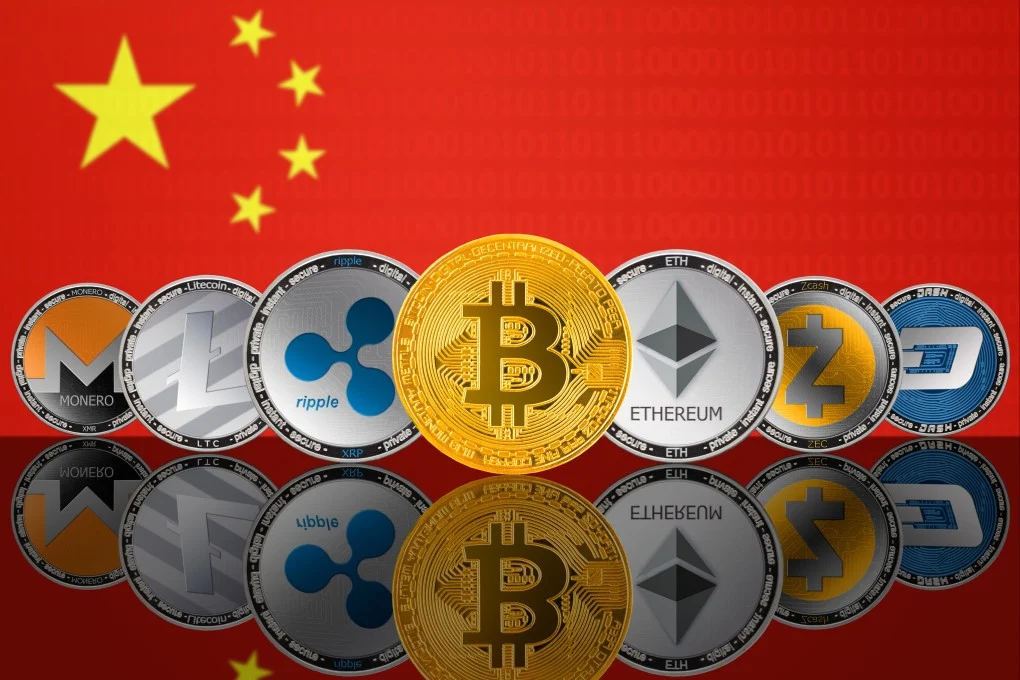
Photo: South China Morning Post
Hong Kong is moving forward with plans to launch its first licensed stablecoin issuers as early as March, signaling a calculated push into digital finance even as Beijing reiterates its hardline stance against cryptocurrencies on the mainland.
The Hong Kong Monetary Authority has confirmed it is reviewing 36 applications from prospective stablecoin issuers under the city’s newly enacted Stablecoins Ordinance. Chief Executive Eddie Yue told lawmakers that regulators aim to make an initial decision in March, marking a critical milestone in Hong Kong’s ambition to establish itself as a tightly supervised digital asset center in Asia.
The development comes despite reported reservations from Chinese regulators, who have repeatedly warned against cryptocurrency activity and reinforced their nationwide ban introduced in 2021.
A Structured Framework for Digital Currency Innovation
Stablecoins are digital tokens designed to maintain price stability by pegging their value to assets such as fiat currencies or gold. Unlike volatile cryptocurrencies such as bitcoin, stablecoins aim to function as payment instruments, settlement tools, and blockchain-based representations of real-world assets.
Hong Kong’s Stablecoins Ordinance, passed in May and implemented in August, requires any entity issuing stablecoins in the territory or pegging them to the Hong Kong dollar to obtain a license. Issuers must meet stringent requirements covering capital reserves, asset backing, risk management, anti-money laundering compliance, cybersecurity standards, and redemption guarantees.
The HKMA began accepting applications shortly after the law took effect, drawing interest from fintech firms, payment processors, and reportedly even large mainland-linked technology companies.
Stablecoins now account for more than 50% of on-chain transaction value globally, underscoring their growing role in digital payments and decentralized finance. Worldwide stablecoin market capitalization has surpassed $150 billion in recent years, with dollar-backed tokens such as USDT and USDC dominating the landscape.
Hong Kong regulators have identified several potential use cases, including cross-border payments, trade settlement, and tokenized deposit systems for international banks. Tokenized deposits — digital representations of customer funds issued by regulated banks — are increasingly viewed as a bridge between traditional finance and blockchain-based systems.
Industry participants argue that Hong Kong dollar-backed stablecoins could improve settlement efficiency, reduce foreign exchange spreads, and enable faster refunds for cross-border commerce. In a region where trade flows exceed trillions of dollars annually, even incremental efficiency gains could be economically significant.
Beijing’s Continued Crypto Resistance
While Hong Kong operates under the “one country, two systems” framework, Beijing retains decisive influence over strategic financial policy. Mainland authorities have steadily tightened crypto restrictions since 2013, culminating in a comprehensive ban on cryptocurrency trading and mining in 2021.
Chinese regulators cite financial stability, capital flight risks, and illicit activity as core concerns. Recent enforcement reports have highlighted how stablecoins have been used by organized criminal networks to move illicit funds, with some investigations estimating that tens of millions of dollars can flow daily through complex digital channels.
Beyond criminal risks, Beijing’s monetary authorities remain wary of losing control over currency issuance and cross-border capital flows. Stablecoins — particularly those pegged to foreign currencies — could undermine China’s tightly managed financial system.
There is also strategic concern about digital dollar dominance. U.S. dollar-backed stablecoins reinforce the global role of the greenback in trade and finance. Chinese policymakers have long sought to internationalize the renminbi, and privately issued digital dollar instruments may complicate that effort.
In a recent joint statement, eight mainland regulatory bodies reaffirmed the ban on crypto-related activity, including unauthorized issuance of yuan-backed stablecoins. The message was clear: Hong Kong’s experimentation does not signal a broader policy reversal.
A Controlled Financial Experiment
Experts describe Hong Kong’s rollout as a cautious, limited pilot rather than a direct challenge to Beijing’s position. By imposing strict licensing conditions, the HKMA is attempting to demonstrate that stablecoins can operate within a regulated perimeter, aligned with existing banking supervision and anti-money laundering frameworks.
This approach mirrors regulatory developments in other major economies. The European Union’s Markets in Crypto-Assets regulation has introduced a unified framework for stablecoin issuance across member states. Japan has also implemented a system requiring stablecoins to be backed by licensed banks or trust companies.
Hong Kong’s model seeks to balance innovation with systemic safeguards. Authorities have made clear that they will not permit an unrestricted crypto trading environment. Instead, the focus is on controlled experimentation in payments infrastructure and tokenization, areas seen as complementary to the city’s role as an international financial hub.
Implications for Global Finance and Web3 Strategy
Hong Kong’s stablecoin initiative aligns with its broader ambition to position itself as a gateway between China and global capital markets. The city has actively promoted Web3 development, virtual asset trading platforms, and digital finance initiatives in an effort to regain momentum after years of pandemic disruption and capital outflows.
Regulatory clarity may attract overseas fintech firms and institutional investors seeking a predictable legal environment in Asia. For multinational banks operating in the region, licensed stablecoins could streamline trade finance, remittances, and treasury management functions.
At the same time, geopolitical sensitivities remain high. U.S. officials have expressed concern that expanded digital asset infrastructure outside American oversight could reshape financial influence. Meanwhile, Beijing continues to advance its own central bank digital currency, the e-CNY, as a state-controlled alternative to private stablecoins.
For now, Hong Kong’s plan represents a carefully calibrated move. It is neither a rejection of mainland policy nor an embrace of unfettered crypto liberalization. Instead, it reflects an attempt to test whether stablecoins can be integrated into a regulated financial system without compromising oversight, monetary control, or financial stability.
As March approaches and licensing decisions loom, the world’s financial markets will be watching closely. Hong Kong’s experiment could shape how other jurisdictions navigate the delicate balance between digital asset innovation and sovereign monetary authority.

Popular articles


Subscribe to unlock premium content
Drake’s OVO Sound Evolves Into a Lifestyle Empire

Beyoncé’s Wellness Retreats Redefine Luxury Lifestyle

Selena Gomez’s Plant-Based Café Takes the World by Storm

Drake’s OVO Sound Evolves Into a Lifestyle Empire
Beyoncé’s Wellness Retreats Redefine Luxury Lifestyle
Drake’s OVO Sound Evolves Into a Lifestyle Empire