Hollister and Target Team Up to Capture a Share of the $88.8 Billion Back-to-College Spending Surge

Hollister and Target Team Up to Capture a Share of the $88.8 Billion Back-to-College Spending Surge
By
Alina Sinclair
Last updated:
June 19, 2026
First Published:
June 19, 2026

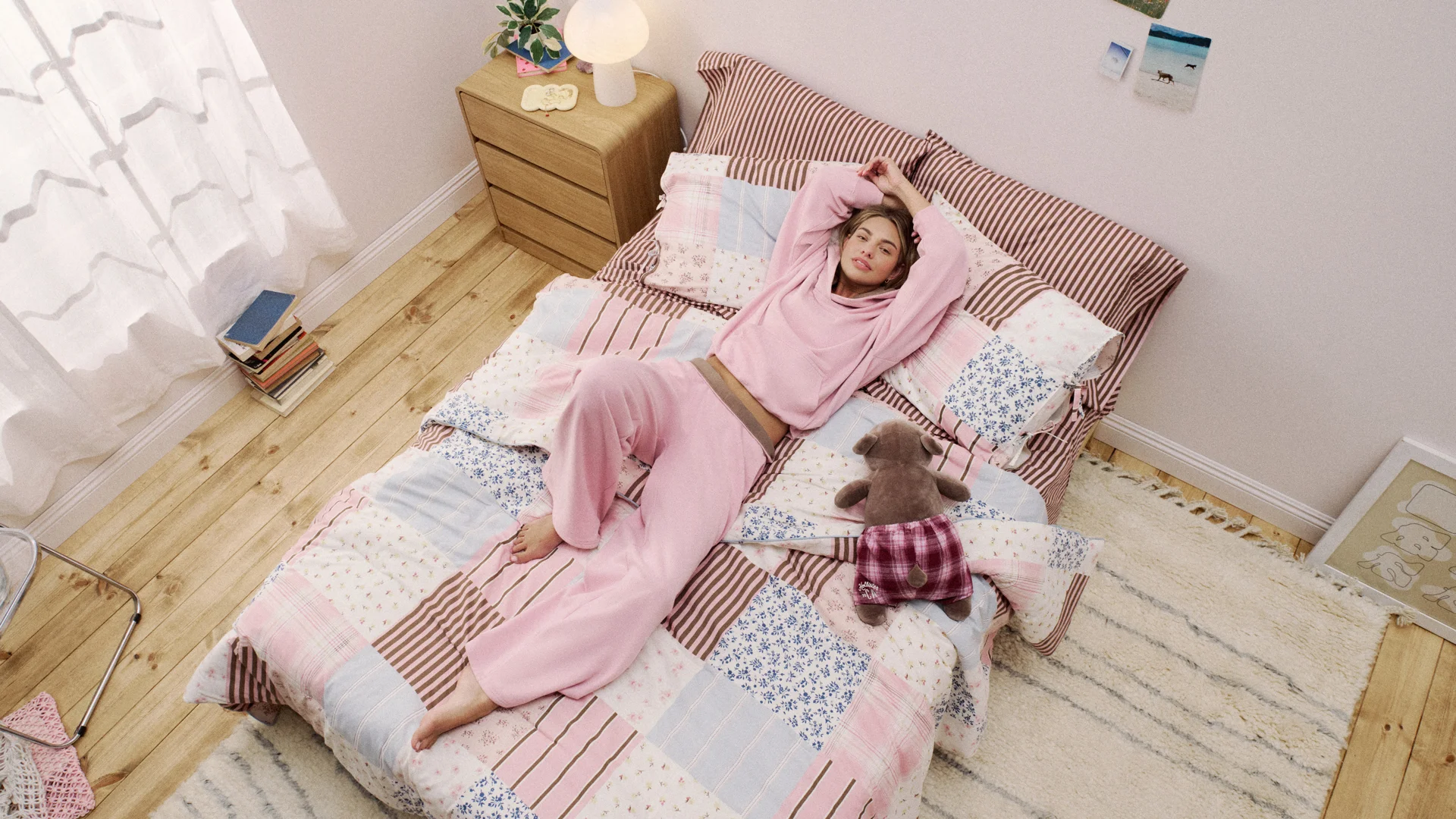
Photo: Inc. Magazine
Hollister, the teen-focused apparel brand owned by Abercrombie & Fitch, is entering a new phase of growth through a strategic partnership with Target aimed at tapping into the massive back-to-college shopping season, a market worth nearly $89 billion annually in the United States.
The collaboration marks Hollister’s first significant move beyond its core clothing business into home and dorm décor, signaling a broader ambition to evolve from a fashion label into a full lifestyle brand.
For Target, the partnership reinforces its long-standing strategy of using high-profile brand collaborations to drive traffic, boost seasonal sales, and strengthen its appeal among younger consumers.
Launch Set for Late June Across Stores and Online
The new initiative, officially branded as The Hollister Collection at Target, will launch on June 28 and will be available across multiple retail channels.
Consumers will be able to shop the collection:
• Online through Target’s e-commerce platform
• In most Target physical stores across the United States
• In select Hollister retail locations
The initial release will feature approximately 60 products, spanning men’s and women’s apparel, bedding, and dorm essentials designed specifically for students preparing for college life.
The collection will focus on affordable, youth-oriented designs intended to reflect seasonal trends and the aesthetic preferences of Gen Z shoppers.
Targeting a Massive Back-to-College Spending Market
The timing of the collaboration is closely aligned with one of the most important seasonal retail cycles in the United States.
According to the National Retail Federation, total back-to-college spending reached approximately $88.8 billion last year, with average student-related spending estimated at over $1,300 per shopper.
Within that broader category, dorm and apartment furnishings alone accounted for roughly $12.8 billion, making it the second-largest spending category after electronics and computer equipment.
This segment has shown consistent long-term growth as students increasingly invest in personalized living spaces, blending functionality with lifestyle-driven design choices.
Retailers view this category as particularly attractive because it combines high spending per customer with strong seasonal demand and repeat purchasing behavior.
Hollister’s Shift Toward a Lifestyle Brand Strategy
For Hollister, the partnership represents a deliberate step toward broadening its identity beyond apparel.
Traditionally focused on teen and young adult fashion, the brand has maintained strong performance over the past year but is now seeking new growth channels in response to shifting consumer spending patterns.
By expanding into home goods and dorm essentials, Hollister aims to:
• Increase average customer spending per visit
• Extend its presence beyond clothing categories
• Strengthen brand loyalty among Gen Z consumers
• Reach new customers through Target’s nationwide footprint
Industry analysts note that youth-focused brands increasingly need to offer lifestyle ecosystems rather than standalone apparel lines in order to maintain relevance in a highly competitive retail environment.
This includes moving into categories such as bedding, décor, accessories, and seasonal home products that align with identity-driven shopping behavior among younger consumers.
Target Continues Its Collaboration-Driven Growth Model
For Target, the partnership aligns with its established strategy of leveraging limited-edition collaborations to differentiate itself in the retail sector.
Unlike some competitors, Target has consistently invested in curated partnerships with well-known brands and designers to create exclusive product drops that generate consumer excitement and foot traffic.
Past collaborations have included partnerships with brands such as:
• Kendra Scott
• Diane von Furstenberg
• Bombas
• Champion
These partnerships have helped Target maintain strong engagement in discretionary spending categories, even during periods of broader retail slowdown and consumer caution.
As inflation and economic uncertainty continue to influence household budgets, retailers have increasingly turned to collaborative collections to maintain momentum in non-essential spending categories.
Product Expansion Beyond Basic Dorm Essentials
The Hollister-Target collaboration is expected to evolve beyond traditional dorm room basics.
While the initial product range will focus on bedding, apparel, and foundational dorm décor, future expansions are expected to include additional lifestyle-oriented products.
Planned categories under discussion include:
• Decorative blankets and throws
• Wearable blankets and comfort items
• Plush accessories and room décor
• Seasonal dorm refresh items
• Storage and organizational solutions
Retail executives have indicated that the partnership is designed to evolve over time, with new product drops expected across multiple retail seasons, including fall, holiday, and spring cycles extending into 2027.
Strategic Growth for Both Brands
The collaboration comes at a time when both companies are navigating a more cautious consumer environment.
Discretionary spending has shown signs of softening across several retail segments, driven by inflation pressures, higher borrowing costs, and shifting consumer priorities.
By entering the back-to-college market more aggressively, both Hollister and Target aim to capture demand during one of the most predictable and high-volume retail cycles of the year.
For Hollister, the move also represents a broader strategic shift within Abercrombie & Fitch’s brand portfolio, which has been expanding into adjacent categories such as footwear through partnerships with brands including Puma, Sperry, and Hunter.
This reflects a wider industry trend in which apparel companies diversify product offerings to stabilize revenue streams and reduce reliance on seasonal clothing demand.
Expanding Reach Through Physical Retail Advantage
A key advantage of the partnership lies in Target’s extensive physical store network across the United States.
By placing Hollister products inside Target locations, the brand gains exposure to millions of shoppers who may not typically visit Hollister stores or shop its online platform.
At the same time, Hollister’s brand appeal among younger consumers is expected to attract additional traffic to Target stores during the crucial back-to-school shopping season.
Executives at Abercrombie & Fitch have emphasized that the collaboration is designed to create mutual customer acquisition opportunities while deepening engagement with existing shoppers.
Long-Term Collaboration Strategy
The partnership between Hollister and Target is structured as a multi-season collaboration rather than a one-time product launch.
Both companies have committed to ongoing development of the collection through at least next year, with planned seasonal refreshes designed to maintain consumer interest and adapt to evolving trends.
This includes product updates aligned with:
• Back-to-school seasonality
• Holiday shopping periods
• Spring dorm refresh cycles
The long-term approach reflects a growing retail strategy of sustained brand partnerships rather than short-term promotional drops.
Bottom Line
The Hollister-Target collaboration represents a strategic expansion into one of the largest and most resilient seasonal retail markets in the United States. By combining Hollister’s youth-focused brand identity with Target’s distribution scale and expertise in home goods, both companies are positioning themselves to capture a larger share of the nearly $89 billion back-to-college spending economy.
As consumer spending patterns continue to evolve, the partnership highlights how retailers are increasingly relying on cross-brand collaborations and category expansion to drive growth, attract younger shoppers, and strengthen their position in an increasingly competitive retail landscape.
.webp)
Popular articles



Subscribe to unlock premium content
The Tiny Home Revolution Among Millennials

Green Tech Rising in Central and Eastern Europe

Automation Takes Over Europe

The Tiny Home Revolution Among Millennials
Green Tech Rising in Central and Eastern Europe
The Tiny Home Revolution Among Millennials