Gymshark — The Garage Startup That Redefined Fitness Fashion Marketing

Gymshark — The Garage Startup That Redefined Fitness Fashion Marketing
By
David Goldfarb
Last updated:
June 19, 2026
First Published:
June 19, 2026

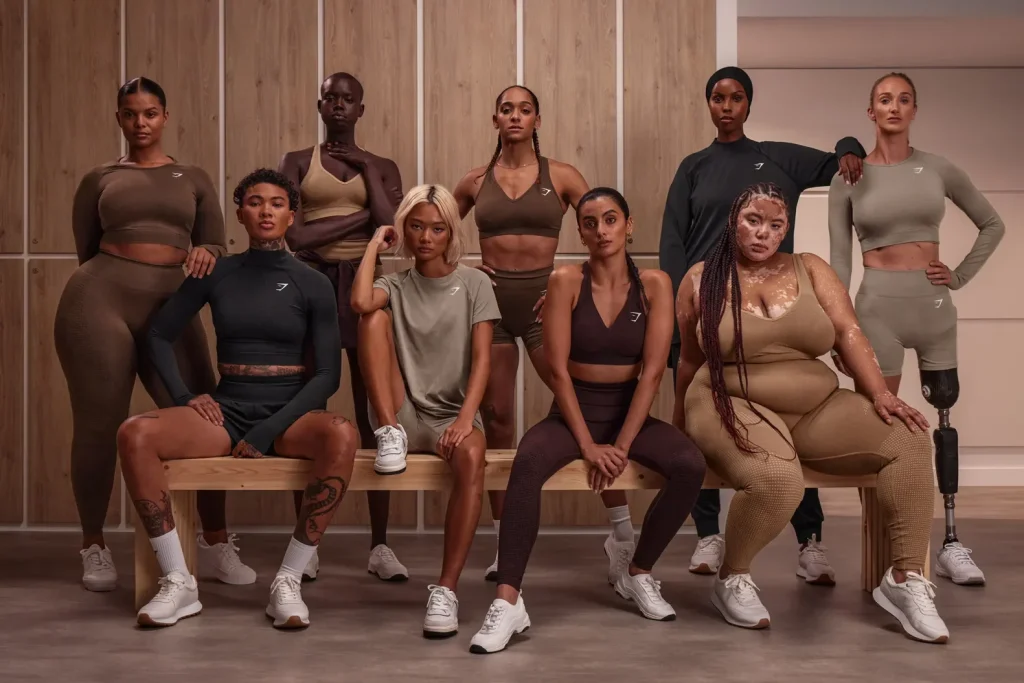
Gymshark – From Garage Brand to Global Fitness Giant
Founded in 2012, Gymshark is a UK-based fitness apparel company that has grown from a small garage operation into one of the most influential activewear brands in the world. The company designs and sells gym clothing, accessories, and lifestyle fitness wear, primarily targeting young fitness enthusiasts through digital-first channels.
Gymshark’s mission is centered on building a global community around fitness, combining performance-driven apparel with a strong social media identity. Unlike traditional sportswear companies, Gymshark scaled not through retail stores first, but through influencer-driven marketing and direct-to-consumer e-commerce.
Founding Story
Gymshark was founded by Ben Francis, who started the company at just 19 years old while working as a pizza delivery driver and studying at university.
Francis began by printing gym clothing in his parents’ garage in Birmingham, UK. He initially handled everything himself: designing, printing, packing, and shipping orders. What set him apart early was not manufacturing scale, but marketing instinct.
He began collaborating with early fitness influencers on YouTube and Instagram, sending them free Gymshark apparel in exchange for visibility. This strategy became the foundation of Gymshark’s explosive growth and later became a blueprint for modern direct-to-consumer (DTC) brands.
Funding and Growth Milestones
Gymshark’s growth was unusually capital-efficient compared to traditional retail brands:
- 2012: Founded in a garage with minimal startup capital and print-on-demand operations
- 2014: Early revenue growth driven almost entirely by influencer marketing and social media
- 2016: Expanded into international markets including the US and Europe through e-commerce
- 2018: Revenue surpassed an estimated hundreds of millions of dollars, driven by global online demand
- 2020: Received a major minority investment from General Atlantic, valuing the company at over $1 billion and officially making it a unicorn
- 2021–2024: Continued global expansion, opening flagship retail experiences while maintaining its digital-first identity
Unlike many fashion brands, Gymshark avoided heavy early reliance on physical retail, instead scaling through digital communities and limited product drops.
Business Model and Technology
Gymshark operates as a direct-to-consumer (DTC) fitness brand with a strong community-driven ecosystem:
- Influencer Marketing Engine: Early adoption of fitness influencers created organic brand trust and viral visibility
- E-Commerce First Model: Most sales occur through its website, enabling higher margins and direct customer relationships
- Drop Culture Strategy: Limited product releases create scarcity and high demand, similar to streetwear brands
- Community Building: Social media content focuses on fitness motivation, athlete partnerships, and lifestyle branding
- Global Logistics: Outsourced manufacturing combined with centralized digital sales infrastructure
Gymshark’s core innovation was not just apparel design, but turning fitness identity into a scalable online community.
Market Impact
Gymshark significantly reshaped the global fitness and apparel industry:
- Influencer Marketing Blueprint: One of the earliest brands to systematically scale using fitness influencers
- DTC Revolution: Helped validate direct-to-consumer fitness brands without traditional retail dependence
- Fitness Culture Branding: Turned gym wear into a lifestyle identity rather than just performance clothing
- Competitive Pressure: Forced legacy sportswear companies to invest heavily in influencer and social-first marketing
Today, Gymshark is widely referenced as a case study in modern e-commerce growth strategy.
Challenges and Controversies
Despite its success, Gymshark faced several challenges typical of fast-scaling consumer brands:
- Supply Chain Scaling: Rapid global demand created production and inventory pressures
- Brand Saturation Risk: Heavy reliance on influencer marketing requires constant content innovation
- Competition: Competing with global giants like Nike and Adidas, as well as rising DTC fitness brands
- Market Expansion Complexity: Transitioning from online-only to physical retail experiences without diluting brand identity
The company has addressed these challenges by improving logistics systems, diversifying marketing channels, and expanding carefully into retail experiences.
Future Outlook
Gymshark continues to evolve beyond its early influencer-only model:
- Retail Expansion: Select flagship stores and physical brand experiences in key global cities
- Product Diversification: Expanding beyond gym wear into broader lifestyle and training apparel
- Brand Maturity: Shifting from “startup culture” to long-term global sportswear competitor
- Global Community Growth: Strengthening fitness ecosystems through digital content and athlete partnerships
- Sustainable Manufacturing: Increasing focus on ethical production and material innovation
Gymshark’s long-term challenge is transitioning from a disruptive DTC brand into a lasting global sportswear institution.
From a garage in Birmingham to a billion-dollar global fitness brand, Gymshark represents one of the clearest examples of how modern e-commerce companies can scale without traditional retail infrastructure. Through the vision of Ben Francis, the company transformed influencer marketing into a scalable growth engine and redefined how fitness brands are built in the digital era.
Gymshark’s story shows that in modern consumer markets, community and content can be just as powerful as capital and distribution.
.webp)
Popular articles



Subscribe to unlock premium content
The Tiny Home Revolution Among Millennials

Green Tech Rising in Central and Eastern Europe

Automation Takes Over Europe

The Tiny Home Revolution Among Millennials
Green Tech Rising in Central and Eastern Europe
The Tiny Home Revolution Among Millennials