Holiday Shoppers Are Still Spending, but Only When the Deals Are Right, Says Tanger CEO

Holiday Shoppers Are Still Spending, but Only When the Deals Are Right, Says Tanger CEO
By
Leah Rosenfeld
Last updated:
December 24, 2025
First Published:
December 24, 2025

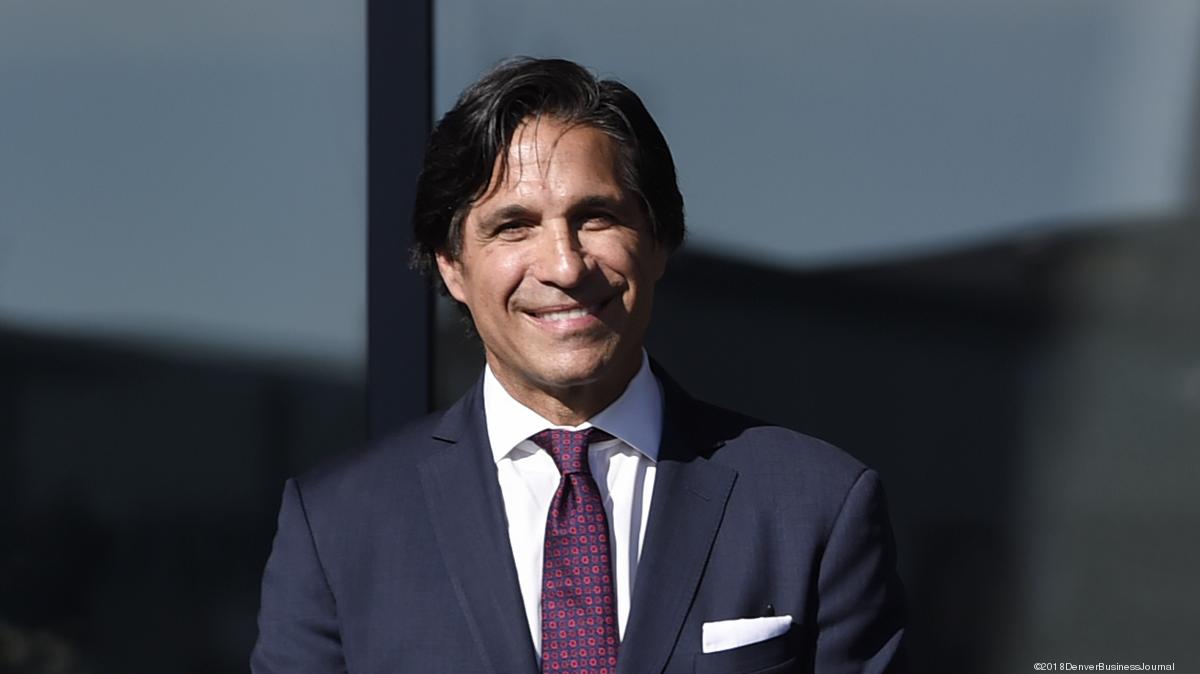
Photo: The Business Journals
Value Drives Holiday Spending
U.S. consumers continued to open their wallets this holiday season, even as economic confidence weakened and anxiety over prices lingered. According to Tanger Outlets CEO Stephen Yalof, shoppers are still willing to spend, but only when retailers meet them with compelling value.
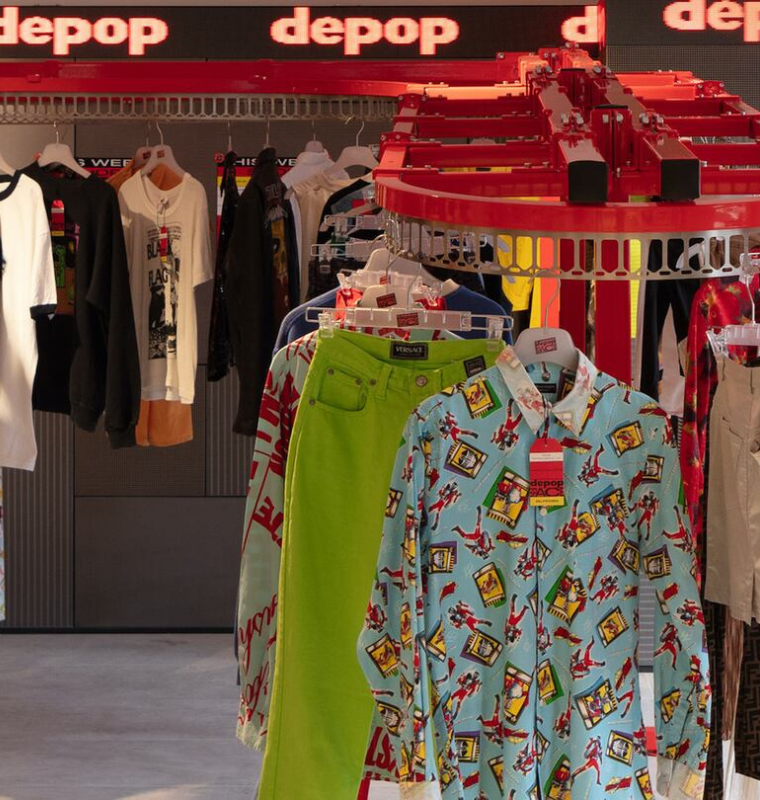
Retailers across Tanger’s outlet portfolio leaned heavily into promotions during November and December, a strategy that Yalof says paid off in the form of steady foot traffic and resilient sales.
Discounts Keep Traffic Flowing
Yalof described holiday activity at Tanger’s outlet centers as consistently strong, pointing to full parking lots and steady customer movement throughout the peak shopping period. He said retailers adjusted pricing strategies to align with consumer expectations, using discounts and promotions to keep shoppers engaged.
Outlet centers, by design, offer consumers access to well-known brands at lower price points. During the holidays, that value proposition became even more important as shoppers balanced gift-giving with higher everyday expenses.
Customers, Yalof explained, are often willing to buy premium products if they feel confident they are getting a deal that makes sense in the current environment.
Shoppers More Resilient Than Sentiment Suggests
Despite widespread concerns about inflation and economic uncertainty, consumer spending data shows a disconnect between how Americans feel and how they behave.
Preliminary figures from Visa indicate that U.S. retail spending rose 4.2 percent year over year during the holiday season before adjusting for inflation. The data, which tracks payment activity starting November 1, showed that in-store purchases accounted for 73 percent of total spending, underscoring the continued importance of physical retail.
Online sales also contributed to growth, rising nearly 8 percent from the prior year as shoppers combined digital convenience with in-person deal hunting.
Confidence Slips as Prices and Tariffs Loom
While spending remained solid, consumer confidence continued to weaken in December. The Conference Board’s consumer confidence index fell to 89.1, down from 92.9 in November, as Americans grew more concerned about persistent price pressures and the potential impact of broad U.S. tariffs on imported goods.
The index is now approaching levels last seen earlier in the year, when new trade policies heightened concerns about inflation and household budgets.
Additional survey data reflects a cautious mindset. The latest CNBC All-America Economic Survey found that 41 percent of Americans planned to spend less this holiday season, an increase from the previous year, signaling that consumers are becoming more selective about where and how they spend.
Bricks-and-Mortar Retail Holds Its Ground
Looking ahead, Yalof said retailers remain optimistic about physical retail, even as the industry continues to evolve. He noted that brands are increasingly interested in opening and controlling their own stores, particularly as traditional department stores shrink their footprints.
Outlet centers are benefiting from this shift, offering retailers a cost-effective way to reach value-focused consumers while maintaining strong brand visibility.
Outlook Beyond the Holidays
Yalof said retailer demand for space suggests confidence extending into 2026, despite near-term economic uncertainty. While shoppers may be more price-conscious, the combination of promotions, brand access, and in-person experiences continues to draw traffic.
The holiday season reinforced a clear message for retailers. Consumers are still willing to spend, but value is no longer optional. Those who adapt pricing and promotions to meet shoppers where they are stand the best chance of sustaining momentum in a cautious economy.

Popular articles


Subscribe to unlock premium content
The New Wave of Superyacht Ownership

Micro-Experience Convenience Stores Are Reinventing Quick Stops
Custom Vans for Digital Nomads Redefine Mobility
The New Wave of Superyacht Ownership
Micro-Experience Convenience Stores Are Reinventing Quick Stops
The New Wave of Superyacht Ownership