Hilton Stock Slips After DHS Accuses Minneapolis Hotel of Canceling Agent Reservations

Hilton Stock Slips After DHS Accuses Minneapolis Hotel of Canceling Agent Reservations
By
Leah Rosenfeld
Last updated:
January 6, 2026
First Published:
January 6, 2026

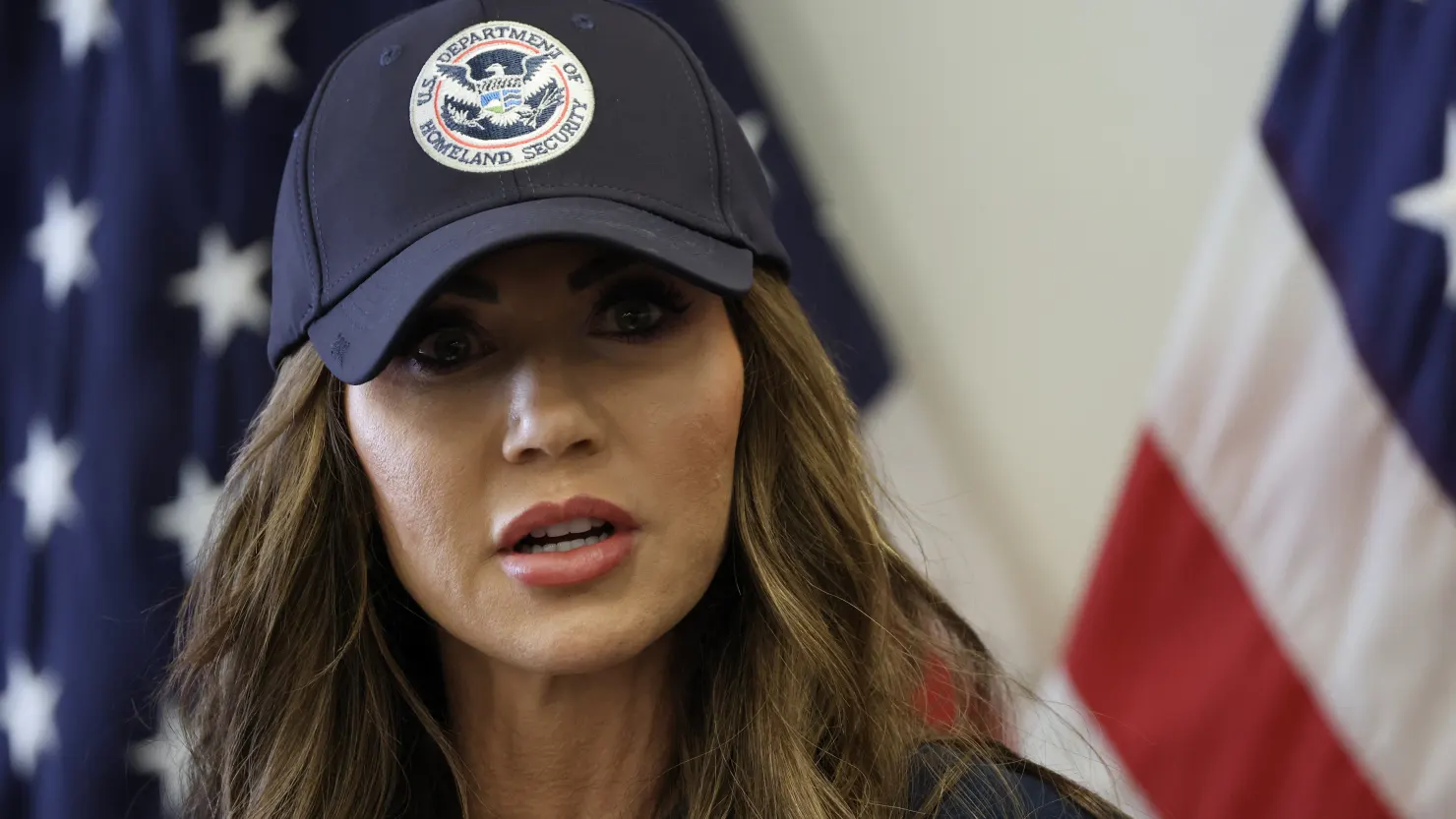
Department of Homeland Security Secretary Kristi Noem speaks during a news conference at the Wilshire Federal Building in Los Angeles, June 12, 2025.
Patrick T. Fallon | Afp | Getty Images
Market Reacts to DHS Accusation
Shares of Hilton Worldwide declined by roughly 2 percent after the U.S. Department of Homeland Security publicly accused a Hilton-affiliated hotel in Minneapolis of canceling reservations made by federal agents involved in immigration enforcement. The sharp response from DHS, delivered through social media, quickly drew investor attention and raised concerns about reputational risk for one of the world’s largest hotel operators.
The incident surfaced as DHS agents attempted to book rooms using official government email addresses and standard federal rates. According to the department, those reservations were abruptly canceled once the hotel identified the guests as immigration enforcement personnel.
DHS Claims Discriminatory Refusal of Service
In a strongly worded post, DHS accused Hilton Hotels of refusing service to law enforcement officers based solely on their role in enforcing U.S. immigration laws. The department alleged the cancellations were intentional and coordinated, describing the actions as an effort to obstruct federal law enforcement activity.
DHS shared screenshots of emails allegedly sent from a Hilton.com address informing guests that the property would not accommodate any Immigration and Customs Enforcement or immigration-related personnel. One message stated that reservations linked to DHS would be canceled, while another cited online research into a guest’s background as justification for the decision.
The department did not disclose the exact Hilton property involved but framed the issue as a serious breach of professional and ethical standards in the hospitality industry.
Hilton Distances Itself From the Incident
Hilton responded swiftly, emphasizing that the hotel in question is independently owned and operated under a franchise agreement. In a statement, the company said the actions taken by the Minneapolis property did not reflect Hilton’s values or corporate policies.
According to Hilton, the company contacted the hotel operator directly, received an apology, and confirmed that corrective steps were taken immediately. Hilton said impacted guests are being contacted to ensure alternative accommodations and reiterated that its hotels are open to all guests without discrimination.
With more than 9,000 properties globally, the majority of Hilton-branded hotels are run by franchisees, a structure that can create operational inconsistencies despite centralized brand standards.
Franchise Operator Issues Apology
Everpeak Hospitality, the company operating the Hilton-branded hotel involved in the incident, also issued a public apology. The operator said the decision to cancel reservations was inconsistent with company policy and brand standards.
Everpeak stated that it acted quickly to address the situation, apologized to the affected guests, and reaffirmed its commitment to welcoming all individuals and agencies while complying with applicable laws and professional hospitality norms.
Broader Political and Enforcement Context
The controversy comes amid heightened federal enforcement activity in Minnesota. DHS Secretary Kristi Noem recently confirmed that Homeland Security Investigations and Immigration and Customs Enforcement officers are operating in the Minneapolis area as part of a large-scale investigation into alleged fraud.
Federal prosecutors have said that more than $9 billion paid through multiple Medicaid programs in Minnesota since 2018 may have been fraudulently obtained. Media reports indicate that the federal government has deployed hundreds, and potentially up to 2,000, DHS agents and officers to the Twin Cities region as part of an expanding crackdown tied to the investigation.
This surge in federal presence has increased demand for lodging by law enforcement personnel, placing hotels in the region under greater scrutiny.
A History of Sensitivity Around Immigration Issues
Hilton’s response also reflects the company’s past efforts to distance itself from immigration-related controversies. In 2020, Hilton publicly opposed the use of its hotels as detention facilities for migrants, including minors, after reports emerged that a franchised property in Texas had housed individuals detained by private contractors working with ICE.
At the time, Hilton said hotels should not be used as detention centers and stressed that such activity was inconsistent with its policies. The company has since maintained that distinction while emphasizing that its properties are open to all lawful guests.
Investor Concerns and Reputational Risk
While Hilton’s corporate leadership moved quickly to contain the fallout, the incident underscores the risks faced by large consumer brands operating through franchise models. Even isolated actions by individual properties can trigger political backlash, social media scrutiny, and immediate stock market reactions.
For investors, the episode highlights how reputational issues tied to politically sensitive topics such as immigration enforcement can translate into short-term volatility, even when a company’s core operations and financial outlook remain unchanged.
As federal investigations in Minnesota continue and political tensions remain elevated, hospitality companies may find themselves increasingly caught between local decisions and national scrutiny.
.webp)
Popular articles



Subscribe to unlock premium content
Zara’s Hyper-Fast Fashion Supply Chain Is Changing Global Retail
The Rise of Apple Stores as Experiential Brand Centers Worldwide
Boutique Eco-Lodges in Costa Rica Redefining Ultra-Luxury Travel

Zara’s Hyper-Fast Fashion Supply Chain Is Changing Global Retail
The Rise of Apple Stores as Experiential Brand Centers Worldwide
Zara’s Hyper-Fast Fashion Supply Chain Is Changing Global Retail