
Governments Worldwide Scramble to Manage Energy Crisis Triggered by Iran War

Governments Worldwide Scramble to Manage Energy Crisis Triggered by Iran War
By
Augusta Parker
Last updated:
March 16, 2026
First Published:
April 25, 2026

Getty Images
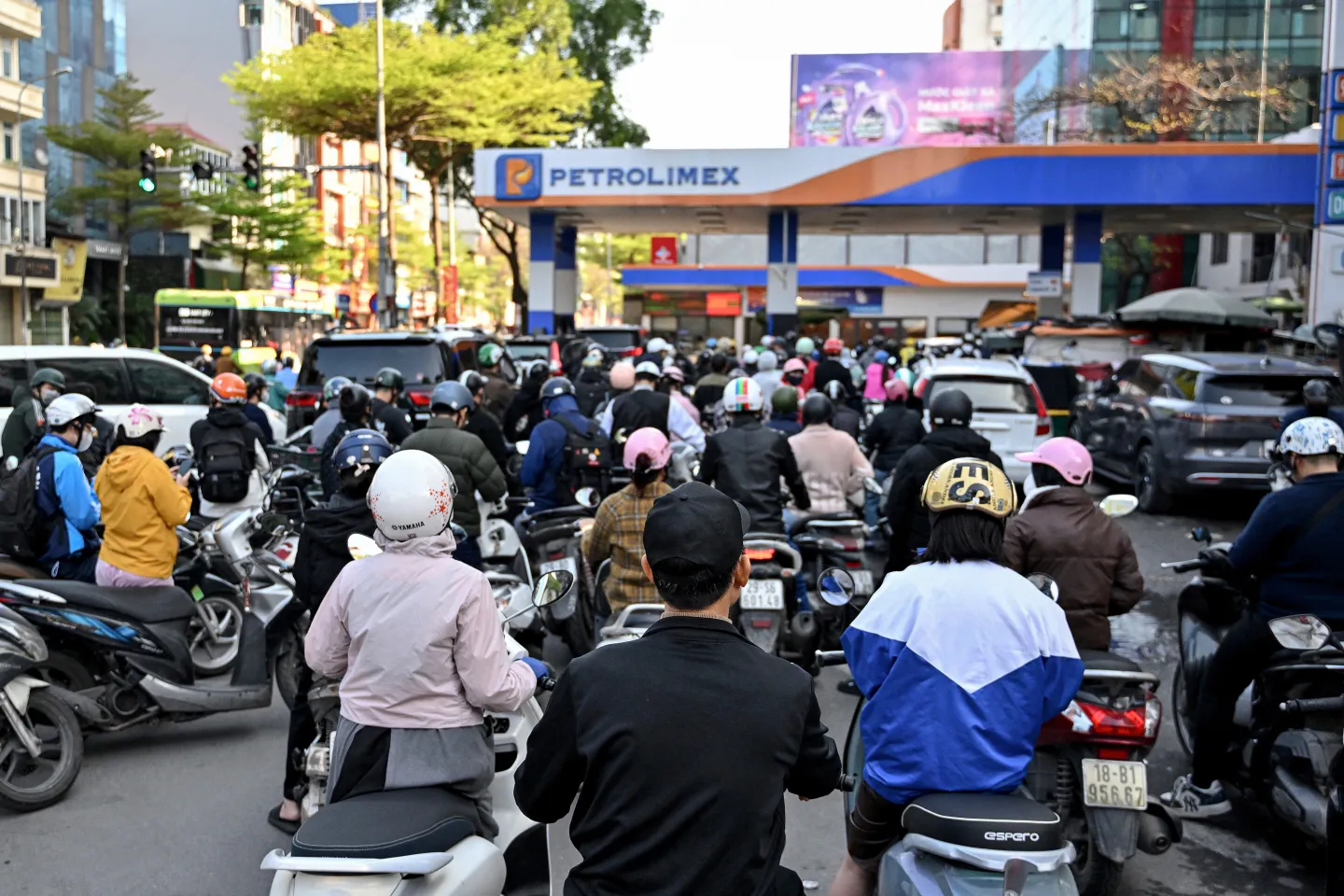
As the conflict involving Iran enters its third week, governments across the world are racing to shield their economies from a sudden energy shock that has disrupted fuel markets and pushed oil prices sharply higher. The war has intensified uncertainty in global energy supply chains, prompting policymakers to introduce a mix of emergency economic measures aimed at stabilizing fuel availability and controlling rising costs.
The surge in energy prices has forced countries to act quickly. Some governments have imposed price caps on gasoline and diesel, while others have restricted fuel exports, released strategic reserves, or introduced unusual energy conservation policies. From encouraging workers to climb stairs instead of using elevators to implementing shorter workweeks, the crisis is pushing countries to adopt both serious and unconventional strategies to manage energy consumption.
While global oil markets remain volatile, the ripple effects are already spreading through national economies, affecting transportation costs, manufacturing expenses, and household energy bills.
Fuel Supply Protection Becomes Top Priority
For many governments, the immediate concern is ensuring that domestic fuel supplies remain stable during a period of global uncertainty. Countries that rely heavily on energy imports are particularly vulnerable to disruptions caused by conflict in the Middle East, which remains one of the world’s most important oil producing regions.
China, the world’s largest energy importer, recently ordered domestic refiners to temporarily halt exports of refined fuel products in an effort to safeguard local supplies. The directive applies to shipments of gasoline, diesel, and aviation fuel, which are typically exported to neighboring Asian markets.
The policy reflects concerns that global supply disruptions could create domestic shortages if too much fuel leaves the country. China’s massive refining industry processes more than 17 million barrels of crude oil per day, making it one of the most important hubs for refined petroleum products in the region.
By prioritizing domestic consumption, Beijing hopes to maintain stable fuel availability for transportation networks, manufacturing operations, and power generation across the country.
Governments Introduce Fuel Price Controls
As global oil prices surge and gasoline costs rise rapidly, several governments have also begun implementing price caps to protect consumers from sudden spikes at the pump.
Japan has been among the countries considering direct intervention. Prime Minister Sanae Takaichi indicated that the government is evaluating policies to cap gasoline prices nationwide. Under the proposal, fuel prices would be limited to an average of 170 yen per liter, roughly $1.07 per liter, even though market prices could climb toward 200 yen per liter if global oil costs continue rising.
Japan has also released crude oil from its national strategic reserves in an attempt to stabilize the domestic market. As the world’s third largest economy, Japan relies heavily on imported energy, sourcing nearly all of its oil and natural gas from overseas suppliers.
South Korea has adopted similar measures. President Lee Jae Myung announced the implementation of a petroleum price ceiling designed to prevent extreme fluctuations in domestic fuel markets. The government believes that stabilizing gasoline prices is critical to protecting households and businesses from inflation triggered by rising energy costs.
These price control measures are designed to prevent economic instability while global markets adjust to the ongoing geopolitical crisis.
Energy Prioritization Becomes Necessary
For some countries, managing limited energy resources has required difficult choices about how fuel should be distributed.
India, one of the world’s fastest growing economies and a major energy importer, has instructed its oil refiners to prioritize the supply of liquefied petroleum gas used by households. More than 330 million Indian households rely on LPG cylinders for cooking, making it a vital daily necessity for millions of families.
To maintain supply for residential consumers, authorities directed refiners to prioritize household distribution over commercial users. This means that approximately 3 million businesses that depend on commercial LPG cylinders may face tighter supplies or higher costs in the coming weeks.
The move highlights how governments are increasingly forced to balance industrial needs with household energy security as the global supply environment becomes more strained.
Energy Conservation Policies Return
Beyond controlling fuel supply and prices, some governments are turning to energy conservation measures reminiscent of past energy crises.
Remote work policies, which were widely adopted during the COVID 19 pandemic, are making a limited comeback in certain regions. Countries including Vietnam and Thailand have encouraged companies to allow employees to work from home again in order to reduce transportation fuel consumption and electricity demand in office buildings.
These measures are intended to cut energy usage across large urban centers where commuting and commercial buildings account for significant electricity demand.
Thailand has taken conservation efforts even further by introducing rules aimed at reducing power consumption in government offices. Civil servants have been instructed to limit elevator use and instead take the stairs whenever possible. Authorities have also encouraged employees to reduce air conditioning usage and adopt lighter office clothing, including short sleeved shirts, to lower cooling demand.
While such measures may appear symbolic, they are part of broader efforts to reduce electricity consumption during periods of potential fuel shortages.
Shorter Workweeks Introduced in Some Countries
Several governments have implemented structural changes to work schedules in order to reduce energy consumption at public institutions.
The Philippines and Pakistan have introduced four day workweeks for government employees, reducing the number of days public offices remain open. The policy lowers electricity usage from office buildings, transportation systems, and air conditioning systems during the workweek.
Similarly, Bangladesh has adjusted its national calendar in response to the energy crisis. Authorities brought forward the Eid al Fitr holiday, allowing universities and educational institutions to close earlier than planned. The temporary shutdown helps reduce electricity demand across campuses and public facilities.
Such policies illustrate how governments are attempting to reduce energy consumption at a national scale while the global energy market remains under pressure.
Energy Shock Ripples Across the Global Economy
The current crisis highlights how geopolitical conflicts can quickly destabilize global energy markets and trigger economic challenges across multiple regions.
The Middle East plays a critical role in global oil supply, with key shipping routes such as the Strait of Hormuz transporting nearly 20 percent of the world’s daily oil shipments. Any disruption in this region can quickly translate into higher fuel costs worldwide.
Rising oil prices also tend to increase transportation expenses, manufacturing costs, and electricity generation costs. These pressures often lead to broader inflation across economies, affecting everything from food prices to airline tickets.
With oil prices already climbing and governments scrambling to stabilize their domestic markets, the longer the conflict continues, the more likely it is that energy driven inflation could spread across global economies.
A Reminder of Global Energy Vulnerability
The wave of policy responses emerging across the world underscores how deeply modern economies depend on stable energy supplies. Even relatively short disruptions in oil markets can force governments to intervene with emergency economic policies and conservation measures.
Whether through fuel price caps, remote work mandates, shorter workweeks, or unusual office rules like taking the stairs instead of elevators, the global response illustrates the wide range of strategies countries are willing to adopt to manage energy shocks.
As the conflict involving Iran continues to unfold, policymakers and businesses alike are closely monitoring energy markets, knowing that prolonged instability could reshape economic policy, trade flows, and global energy strategies for months or even years to come.
.webp)
Popular articles



Subscribe to unlock premium content
How Finland Uses Ice Swimming Festivals to Boost Winter Tourism and Local Economies

The Boom of Luxury Personal Libraries Renting Rare Books to the Ultra-Wealthy

Why Bhutan’s Hand-Woven Textiles Are Gaining Global Collector Value

How Finland Uses Ice Swimming Festivals to Boost Winter Tourism and Local Economies
The Boom of Luxury Personal Libraries Renting Rare Books to the Ultra-Wealthy
How Finland Uses Ice Swimming Festivals to Boost Winter Tourism and Local Economies


