
Global Trade Deals Face Uncertainty After Court Limits Trump’s Tariff Powers

Global Trade Deals Face Uncertainty After Court Limits Trump’s Tariff Powers
By
David Goldfarb
Last updated:
February 26, 2026
First Published:
April 25, 2026

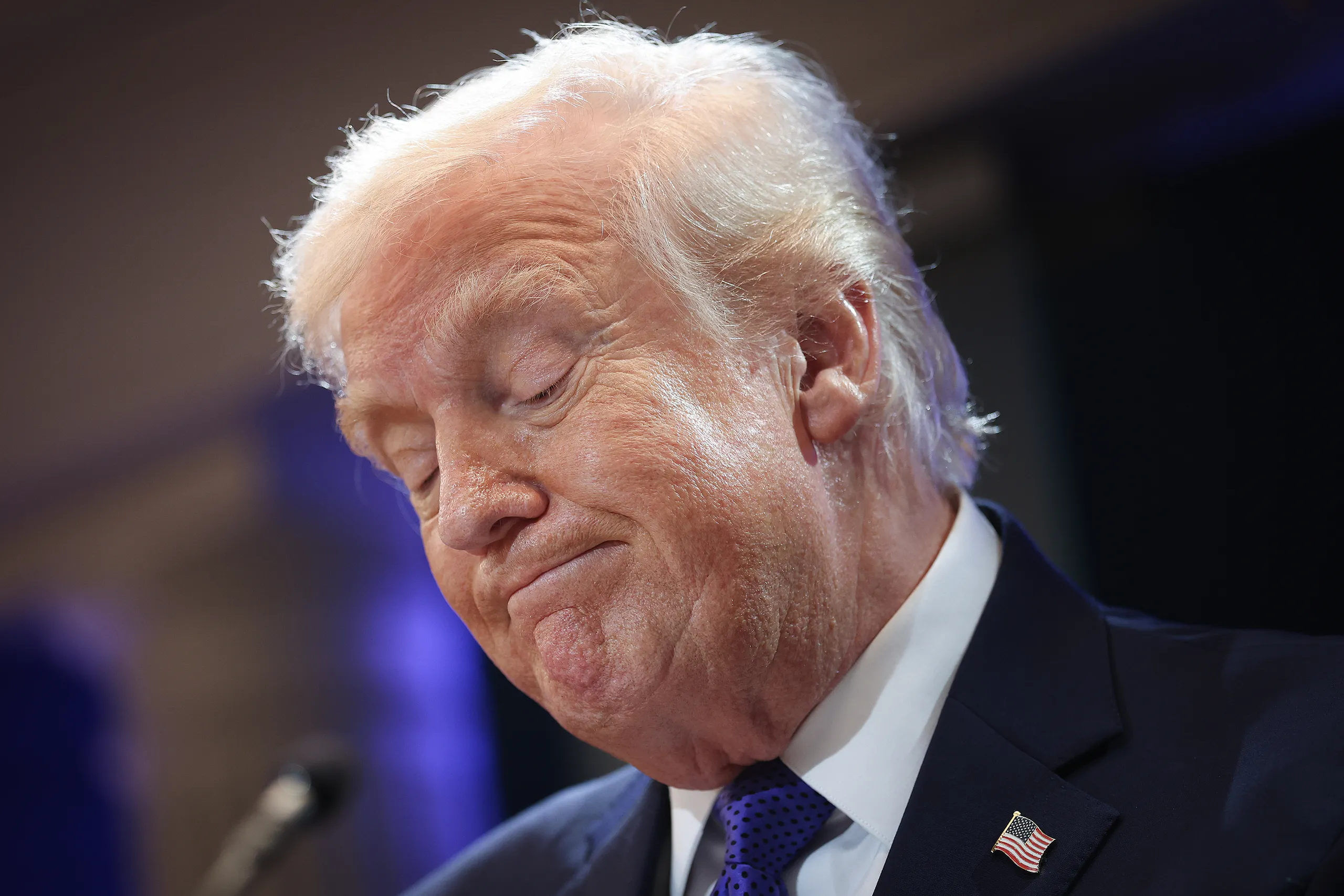
Photo: The New Yorker
A recent U.S. Supreme Court decision has injected fresh uncertainty into the global trade landscape, complicating dozens of tariff-linked agreements negotiated over the past year. While former President Donald Trump has insisted existing deals remain intact, many trading partners are reassessing their positions as the legal foundation for key tariff measures disappears.
The ruling has forced governments and businesses to rethink expectations around market access, duty rates, and supply chain planning, raising the prospect of prolonged policy ambiguity at a time when global trade volumes are already under pressure.
Court Decision Reshapes Tariff Authority
The Supreme Court concluded that the administration exceeded its authority by imposing sweeping tariffs under the International Emergency Economic Powers Act, a move that had applied duties to imports from nearly every major trading partner.
Within days, the White House introduced a temporary universal tariff of 10% under Section 122 of the Trade Act of 1974, with officials signaling the rate could climb to 15%. However, the alternative mechanism is narrower in scope and time-limited, leaving uncertainty about how long the measures can remain in place.
Legal experts note that shifting to other tools such as Section 301 investigations or national security tariffs under Section 232 would require formal procedures that can take months, delaying any attempt to rebuild the previous tariff framework.
Trade Partners Adopt a Wait and See Stance
Foreign governments have largely responded cautiously, evaluating whether previously negotiated concessions still make sense without the original tariff structure.
Officials in India paused plans to finalize an interim trade pact, citing the need for clarity on U.S. policy direction. Similarly, lawmakers in the European Parliament delayed a vote on a transatlantic agreement that would have set a 15% tariff ceiling on most exports to the United States.
In Japan, policymakers expressed concern that the new universal tariff could erase advantages secured through earlier negotiations tied to a multiyear investment commitment worth roughly $550 billion.
Meanwhile, leaders in Canada welcomed the ruling, viewing it as a potential reset in trade relations. Provincial officials argued that rejecting unfavorable deals may now carry less risk given the reduced tariff leverage from Washington.
Confusion Across Existing Agreements
According to trade specialists at the Council on Foreign Relations, the U.S. has negotiated at least 18 bilateral or framework arrangements over the past year that referenced tariff levels tied to the now-invalid legal authority. Because many of these agreements were preliminary or lacked congressional approval, their enforceability is uncertain.
Analysts say countries that made early concessions could seek renegotiation, while those that resisted pressure may feel vindicated. The shifting landscape has already slowed progress on several deals and complicated supply chain planning for multinational companies.
Washington Signals Tougher Approach
Despite the uncertainty, Trump has warned partners against abandoning agreements, suggesting that countries attempting to renegotiate could face higher duties through alternative legal channels. U.S. trade officials have indicated new investigations under Section 301 are likely, targeting alleged unfair trade practices in multiple jurisdictions.
There is also discussion of potential licensing fees on imports, a move that could function as a quasi-tariff if implemented. These signals suggest Washington intends to maintain leverage even as it rebuilds the legal basis for its trade agenda.
Global Economic Implications
The policy shift comes at a sensitive moment for the world economy, where trade growth has slowed and geopolitical tensions continue to reshape supply chains. Businesses are grappling with uncertain cost structures, while governments weigh whether to deepen negotiations or adopt defensive measures.
Officials in China said they would carefully evaluate the ruling ahead of upcoming bilateral talks, while Claudia Sheinbaum indicated her administration would review the decision’s implications before adjusting strategy.
What Comes Next
Attention is now turning to how quickly the United States can assemble a “Plan B” using alternative trade laws. Because new tariffs would require investigations, consultations, and potential legal challenges, any overhaul of existing deals is expected to unfold gradually.
In the meantime, the global trading system is likely to remain in a transitional phase, with bargaining power shifting as countries test the limits of Washington’s revised toolkit.
.webp)
Popular articles



Subscribe to unlock premium content
How Finland Uses Ice Swimming Festivals to Boost Winter Tourism and Local Economies

The Boom of Luxury Personal Libraries Renting Rare Books to the Ultra-Wealthy

Why Bhutan’s Hand-Woven Textiles Are Gaining Global Collector Value

How Finland Uses Ice Swimming Festivals to Boost Winter Tourism and Local Economies
The Boom of Luxury Personal Libraries Renting Rare Books to the Ultra-Wealthy
How Finland Uses Ice Swimming Festivals to Boost Winter Tourism and Local Economies


