Global Tariffs Raised to 15% as Trump Escalates Trade Strategy

Global Tariffs Raised to 15% as Trump Escalates Trade Strategy
By
Augusta Parker
Last updated:
February 23, 2026
First Published:
February 23, 2026

Getty Images
Policy Announcement and Immediate Market Attention
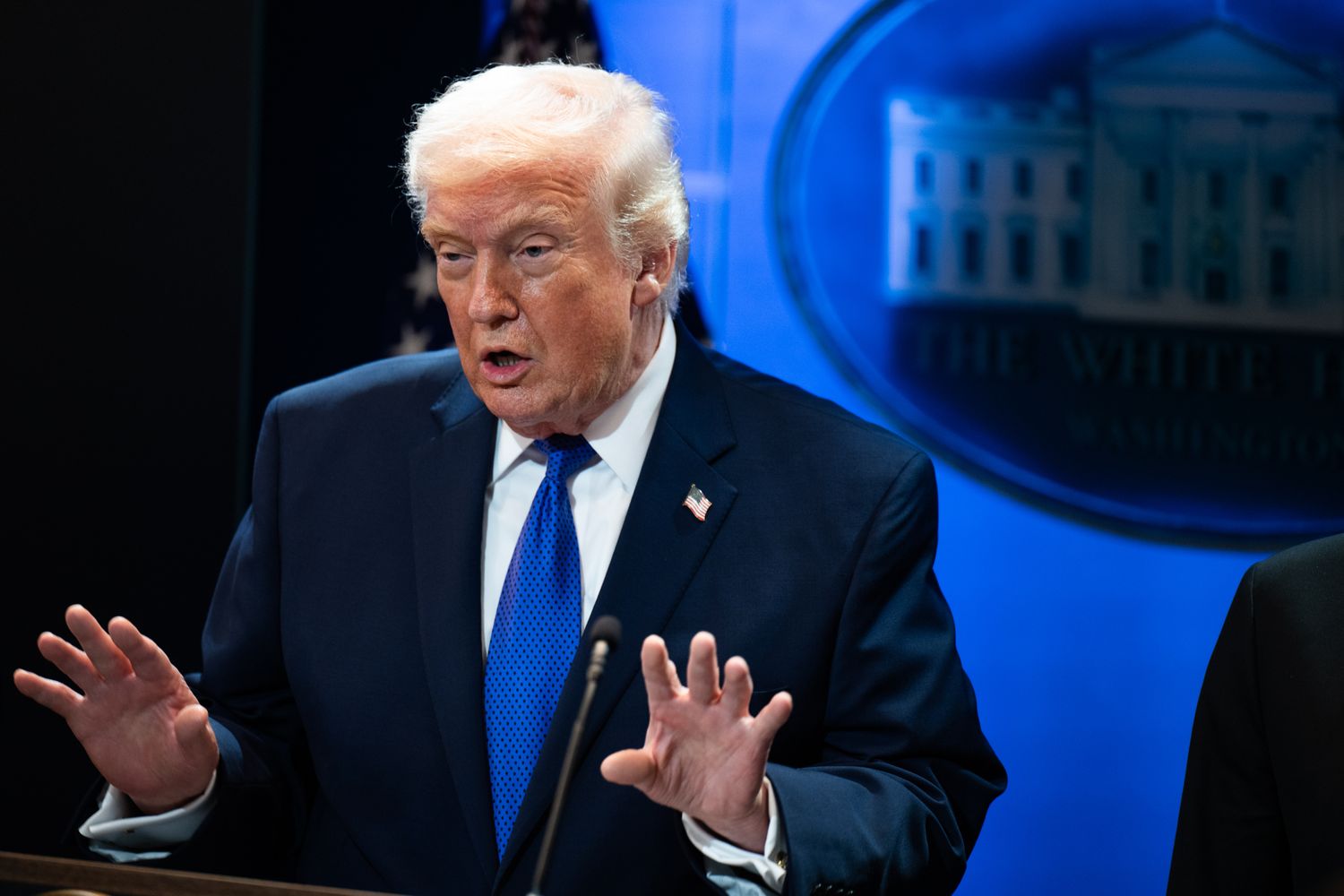
Donald Trump announced a sweeping increase in worldwide tariffs to 15%, up from the previously proposed 10% baseline, describing the move as taking effect “immediately.” The declaration came just a day after the Supreme Court of the United States invalidated a major portion of his earlier tariff framework, creating fresh uncertainty around U.S. trade policy and enforcement timelines.
The statement was delivered through Truth Social, where Trump framed the measure as a corrective response to what he characterized as decades of unfavorable trade relationships. While the administration signaled urgency, officials have not yet confirmed whether formal documentation has been finalized, leaving businesses and trading partners seeking clarity on implementation mechanics.
Legal Context and Authority Behind the Move
The tariff escalation follows a complex legal sequence. After the court ruling curtailed the administration’s use of emergency economic powers, the White House pivoted to alternative statutory authority to maintain leverage in trade negotiations. A White House briefing indicated the earlier 10% tariffs were scheduled to begin at 12:01 a.m. ET on February 24, but the president’s latest directive effectively supersedes that baseline with a higher rate.
Trade analysts note that such temporary tariff mechanisms typically run for up to 150 days unless extended with congressional backing. This creates a compressed timeline for policymakers to either negotiate new trade terms or seek legislative approval for longer-term measures.
Political Reaction Across Washington
The ruling and subsequent tariff hike intensified divisions in Washington. Senate Democratic leaders, including Chuck Schumer, criticized the approach as destabilizing for businesses and global supply chains. Within Republican ranks, reactions were mixed, reflecting broader debates over executive versus congressional authority in trade policy.
The court’s majority included conservative justices such as Neil Gorsuch and Amy Coney Barrett, whose votes underscored the constitutional questions surrounding the administration’s earlier strategy. The decision is expected to influence how future presidents deploy emergency economic powers in trade disputes.
Market Response and Economic Implications
Financial markets reacted in volatile fashion. Equities initially surged on expectations that the court ruling might ease trade tensions, then fluctuated as investors assessed the likelihood of new tariffs reshaping import costs. Economists estimate that higher duties at a 15% level could affect hundreds of billions of dollars in annual imports, potentially pushing up prices in sectors such as consumer electronics, autos, and industrial inputs.
Another major unknown is the prospect of refunds to importers for duties collected under the invalidated policy. Some estimates suggest liabilities could exceed $175 billion, posing administrative and fiscal challenges for federal agencies.
What Comes Next for U.S. Trade Policy
With additional levies hinted at in the coming months, the administration appears poised to use tariffs as a central negotiating tool ahead of key political milestones and trade talks. The policy trajectory will likely depend on court interpretations, congressional action, and responses from major trading partners.
For businesses, the immediate priority is contingency planning. Companies are reassessing sourcing strategies, inventory buffers, and pricing models to manage the risk of sustained higher import costs. For global markets, the shift signals that trade friction remains a defining feature of the current economic landscape, with ripple effects expected across supply chains, inflation trends, and geopolitical relations.
.webp)
Popular articles



Subscribe to unlock premium content
Visa and the Invisible Engine Powering Global Digital Money

Disney’s Streaming Empire Built on Regional Storytelling Power

The Slow Revolution of Steel and Memory Across Eastern Europe

Visa and the Invisible Engine Powering Global Digital Money
Disney’s Streaming Empire Built on Regional Storytelling Power
Visa and the Invisible Engine Powering Global Digital Money