Global Markets Surge After U.S.–Iran Truce as Oil Prices Slide Sharply Below $100

Global Markets Surge After U.S.–Iran Truce as Oil Prices Slide Sharply Below $100
By
David Goldfarb
Last updated:
April 8, 2026
First Published:
April 25, 2026

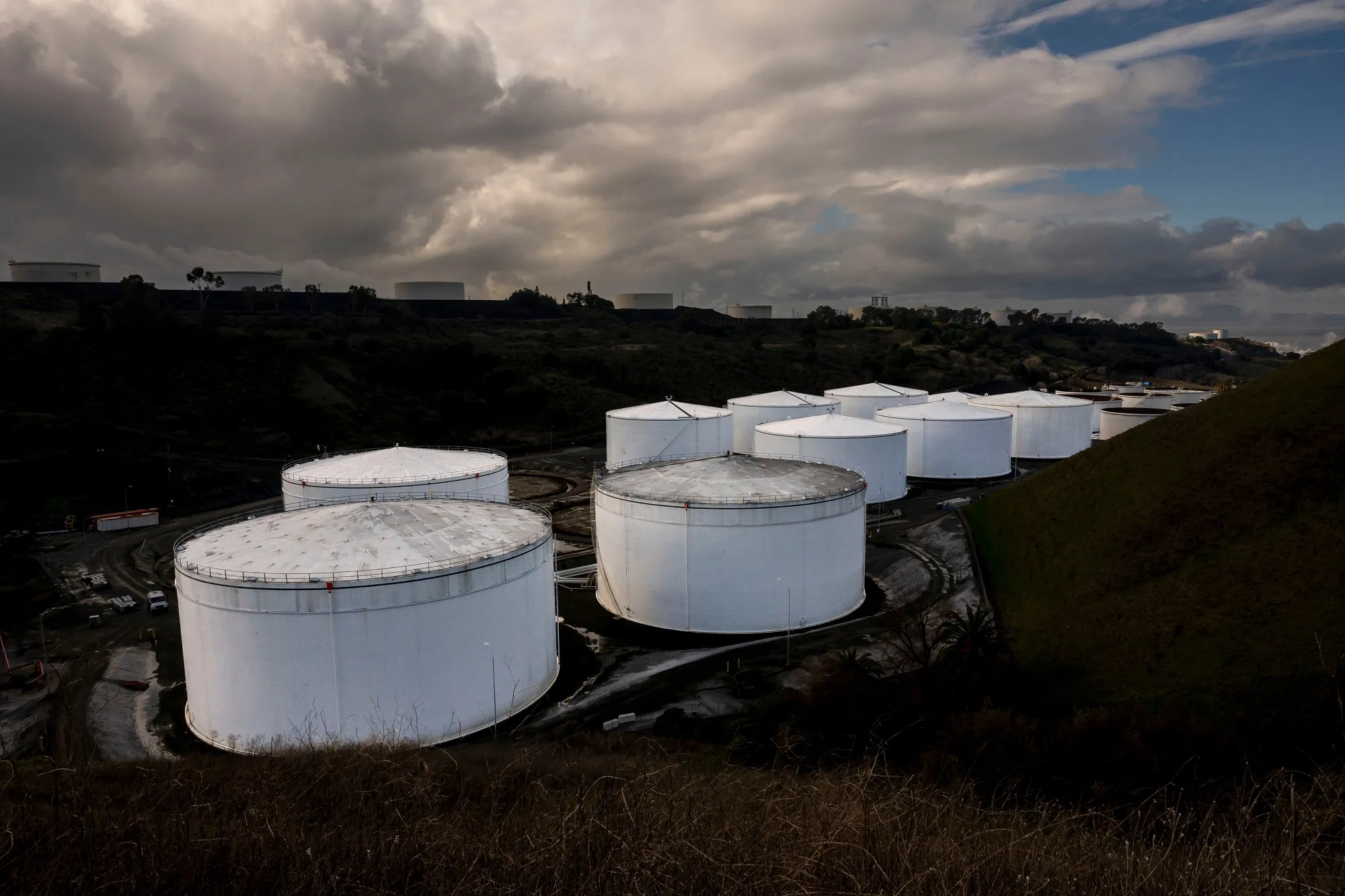
Photo: Bloomberg News
Global financial markets rallied strongly after a temporary ceasefire between the United States and Iran eased immediate geopolitical fears, triggering a wave of buying across equities while oil prices dropped sharply below the $100 mark.
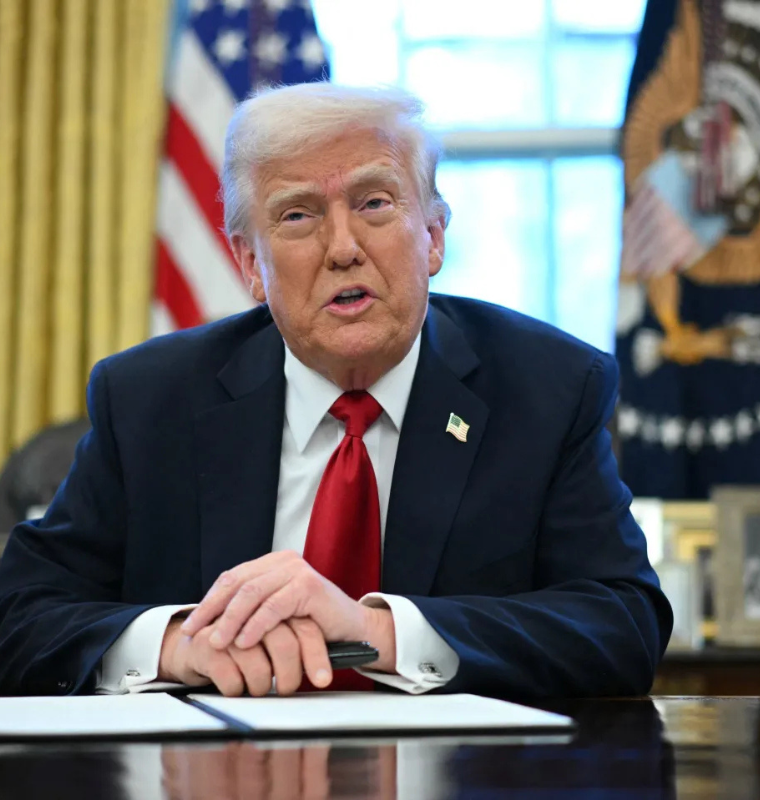
The announcement of a two-week pause in hostilities, confirmed by Donald Trump, included a conditional halt to planned U.S. strikes on Iranian infrastructure. The agreement hinges on Tehran ensuring a complete and secure reopening of the Strait of Hormuz, one of the world’s most critical النفط shipping routes responsible for nearly 20% of global oil flows.
The development injected fresh optimism into markets that had been under pressure for weeks, driving a broad-based rebound in risk assets.
Equity Markets Post Strong Gains Across Regions
Stock markets across Asia-Pacific and the United States recorded sharp gains as investors responded quickly to the de-escalation.
In Asia, South Korea’s Kospi index surged more than 5%, while the tech-heavy Kosdaq gained 3.4%. Japan’s Nikkei 225 jumped 4%, with the broader Topix index rising 3.2%. Australia’s S&P/ASX 200 climbed 2.7%, while Hong Kong’s Hang Seng Index advanced over 2%. Mainland China’s CSI 300 also posted solid gains of around 2.15%.
In the U.S., futures markets signaled a strong open. Contracts linked to the Dow Jones Industrial Average rose by 967 points, or 2.1%, while S&P 500 and Nasdaq 100 futures gained 2.1% and 2.3%, respectively.
Cryptocurrencies joined the rally as well, with Bitcoin climbing more than 2% to trade above $71,500, reflecting renewed appetite for riskier assets.
Oil Prices Retreat as Supply Fears Ease
Energy markets saw one of the most dramatic reactions. Oil prices, which had surged amid fears of supply disruptions, reversed sharply.
U.S. benchmark West Texas Intermediate crude fell more than 14% to $96.98 per barrel, while Brent crude dropped over 12% to around $96. The decline reflects reduced concerns about immediate disruptions in the Strait of Hormuz following assurances from Abbas Araghchi that safe passage for ships would be maintained during the ceasefire period.
Lower oil prices could provide short-term relief for inflation globally, particularly for major importing economies. However, analysts caution that volatility may persist if tensions resurface.
Safe Havens Remain in Demand
Despite the strong rally in equities, traditional safe-haven assets continued to attract inflows—highlighting a cautious undertone in global markets.
Gold prices rose 2.2% in the spot market to $4,803.83 per ounce, while futures climbed above $4,835. At the same time, U.S. Treasury bonds saw increased demand, pushing yields lower across the curve. The yield on the 10-year Treasury dropped by 9 basis points to 4.253%, while 20-year and 30-year yields also declined notably.
This unusual combination—rising equities alongside strong demand for defensive assets—suggests that investors are not fully convinced the geopolitical risks have passed.
A Tactical Rally, Not a Full Risk Reset
Market strategists view the current rally as a tactical repositioning rather than a definitive shift in sentiment. According to investment experts, investors are selectively increasing exposure to equities while maintaining hedges through gold and bonds.
The coexistence of risk-taking and caution reflects the fragile macroeconomic backdrop. While the ceasefire reduces immediate risks, underlying concerns about global growth, inflation, and energy markets remain unresolved.
The earlier spike in oil prices has already filtered into supply chains, raising input costs for businesses worldwide. These effects are expected to linger, potentially slowing economic momentum even as headline risks temporarily ease.
Skepticism Lingers Over Ceasefire Durability
Not all market participants are convinced the relief rally will last. Some analysts warn that short-term geopolitical agreements have historically proven fragile, particularly in high-stakes conflicts involving critical trade routes.
The two-week timeframe of the ceasefire has added to the uncertainty, with investors wary of sudden reversals or renewed escalation. This skepticism is increasingly shaping trading strategies, with many participants treating geopolitical developments as short-term catalysts rather than long-term turning points.
Outlook: Volatility Likely to Persist
While the ceasefire has provided a temporary boost to global markets, the broader outlook remains uncertain. Oil price movements, geopolitical developments, and central bank responses will continue to drive investor sentiment in the coming weeks.
For now, the rally reflects a moment of relief—but not resolution. Markets may continue to swing between optimism and caution as investors navigate an environment defined by both opportunity and risk.
.webp)
Popular articles



Subscribe to unlock premium content
The Hidden World of Ultra-Rare Seaweed Farming

Riding Waves and Wealth in Bali

The Market for Renting Private Libraries Where Only Rare, Unpublished Manuscripts Exist

The Hidden World of Ultra-Rare Seaweed Farming
Riding Waves and Wealth in Bali
The Hidden World of Ultra-Rare Seaweed Farming