Generation X Becomes the Powerhouse of Beauty Spending as Brands Shift Focus

Generation X Becomes the Powerhouse of Beauty Spending as Brands Shift Focus
By
David Goldfarb
Last updated:
April 28, 2026
First Published:
April 28, 2026

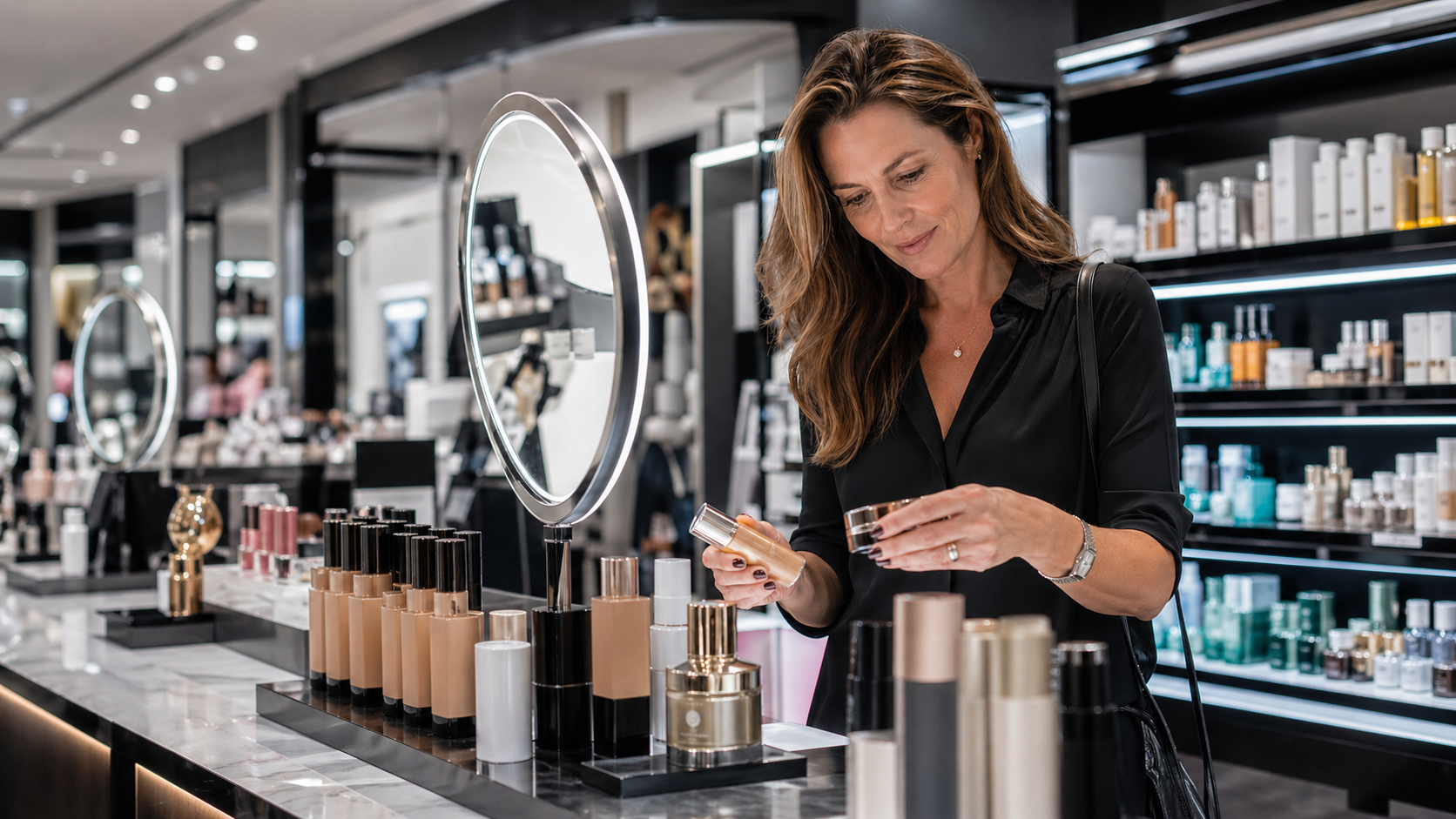
Photo: Retail Gazette
For years, Generation X has been overshadowed in consumer marketing by millennials and Gen Z. But new data is forcing a dramatic rethink across the beauty industry. The so-called “forgotten generation” is now emerging as one of the most influential forces in global beauty spending, reshaping how brands position products, design experiences, and allocate marketing budgets.
Defined by Pew Research Center as individuals born between 1965 and 1980, Generation X sits between baby boomers and millennials. Despite its quieter cultural profile, its economic influence is anything but minor.
According to market data from NielsenIQ, Gen X is projected to become the leading global consumer spending cohort through 2033, with total spending power expected to exceed $20 trillion. Within the beauty sector alone, the group already accounts for roughly 25% of total category spend, covering both products and services.
Even more significantly, the Gen X beauty market is forecast to expand to approximately 1.3 times its current size over the next five years. This growth is being driven by a combination of financial stability, established household incomes, and increasing focus on long-term wellness and appearance maintenance.
Research from Chicago-based analytics firm Circana shows that households with Gen X members accounted for about 44% of total beauty spending in the past year. Skincare remains their dominant category, reflecting a strong preference for products linked to skin health, anti-aging benefits, and longevity-focused results.
Industry experts note that this shift aligns closely with broader changes in consumer priorities. Rather than chasing short-term trends, Gen X consumers are increasingly focused on performance, ingredient quality, and measurable results. This has pushed beauty brands to move toward more clinical, solution-oriented product positioning.
The cohort’s spending is not limited to skincare. Analysts expect significant growth in haircare and makeup categories as well, particularly products designed for mature skin and long-term maintenance. The overall trend reflects a broader normalization of aging-focused beauty marketing, including conversations around menopause, hormonal changes, and skin regeneration.
According to NielsenIQ, Gen X is currently in its peak spending phase. Between 2021 and 2033, the group is expected to generate roughly $15.2 trillion in annual consumer spending, rising further toward an estimated $23 trillion by 2035. This positions them as a structurally dominant force in retail consumption for the foreseeable future.
One of the defining characteristics of this cohort is its strong brand loyalty. While Gen X consumers are open to experimenting with new products, they tend to stick with brands that demonstrate consistent performance. This creates a unique opportunity for beauty companies that successfully earn trust, as repeat purchasing rates within the segment are notably high.
Another major shift is the fragmentation of the beauty market. Instead of mass-market appeal, brands are increasingly targeting niche consumer groups with highly specific needs. This has benefited companies that focus on specialized formulations, dermatological solutions, and age-specific product lines.
Retailers are responding accordingly. Executives at major beauty chains have acknowledged that older consumers represent a key growth engine. For example, leadership at Ulta Beauty has emphasized a strategic focus on wellness-oriented products and longevity-driven beauty solutions, highlighting the growing importance of aging-conscious consumers.
Similarly, Sephora has expanded its portfolio of brands targeting Gen X shoppers. This includes partnerships with emerging and established names focused on skin health, hydration, and anti-aging innovation. The company has also leaned into storytelling and founder-led branding, which resonates strongly with this demographic’s preference for authenticity and expertise.
Luxury personal care retailer Bluemercury has also actively positioned itself around this trend, launching campaigns that celebrate consumers over 40 and highlighting the purchasing power of mature audiences.
From an industry perspective, analysts believe that retailers who prioritize curation, in-store expertise, and personalized service will outperform competitors. Gen X consumers grew up with traditional department store beauty counters, where trained consultants played a key role in product selection. As a result, they place higher value on knowledgeable in-person service compared to younger generations.
Consulting analysis from AlixPartners suggests that the importance of expert sales assistance is significantly higher for Gen X than for Gen Z, reinforcing the need for elevated retail experiences rather than purely digital or automated interactions.
Consumer behavior trends further reinforce this shift. Many Gen X shoppers are now prioritizing products with clean ingredients, scientifically backed formulations, and long-term effectiveness. There is also a growing emphasis on holistic wellness, where beauty routines are integrated with diet, exercise, sleep, and stress management.
Another structural factor supporting Gen X spending is their life stage. Many are now part of the “sandwich generation,” simultaneously supporting aging parents and financially independent children. This dual responsibility increases both household spending complexity and discretionary purchases, including beauty and wellness products for multiple age groups.
Industry observers estimate that Gen X consumers spend nearly 25% more than the national average on beauty-related categories, making them one of the most valuable and stable customer segments in the market today.
As brands adjust to this reality, the competitive landscape is shifting. Companies that once prioritized younger demographics are now rebalancing their strategies, investing more heavily in mature consumer segments that offer higher lifetime value and stronger repeat purchasing behavior.
The conclusion emerging from multiple industry analyses is clear: Generation X is no longer a secondary audience in beauty. It is becoming the backbone of the industry’s growth, shaping product development, retail strategy, and long-term market direction.
.webp)
Popular articles



Subscribe to unlock premium content
Art That Defines Power

Designer Masks Redefine Post-Pandemic Luxury

Luxury Smart Jewelry Becomes a $200 Million Trend Among Millennials
Art That Defines Power
Designer Masks Redefine Post-Pandemic Luxury
Art That Defines Power