AI Startup Smashes Records with $1.1 Billion Seed Round to Chase Superintelligence

AI Startup Smashes Records with $1.1 Billion Seed Round to Chase Superintelligence
By
Rachel Steinberg
Last updated:
April 28, 2026
First Published:
April 28, 2026

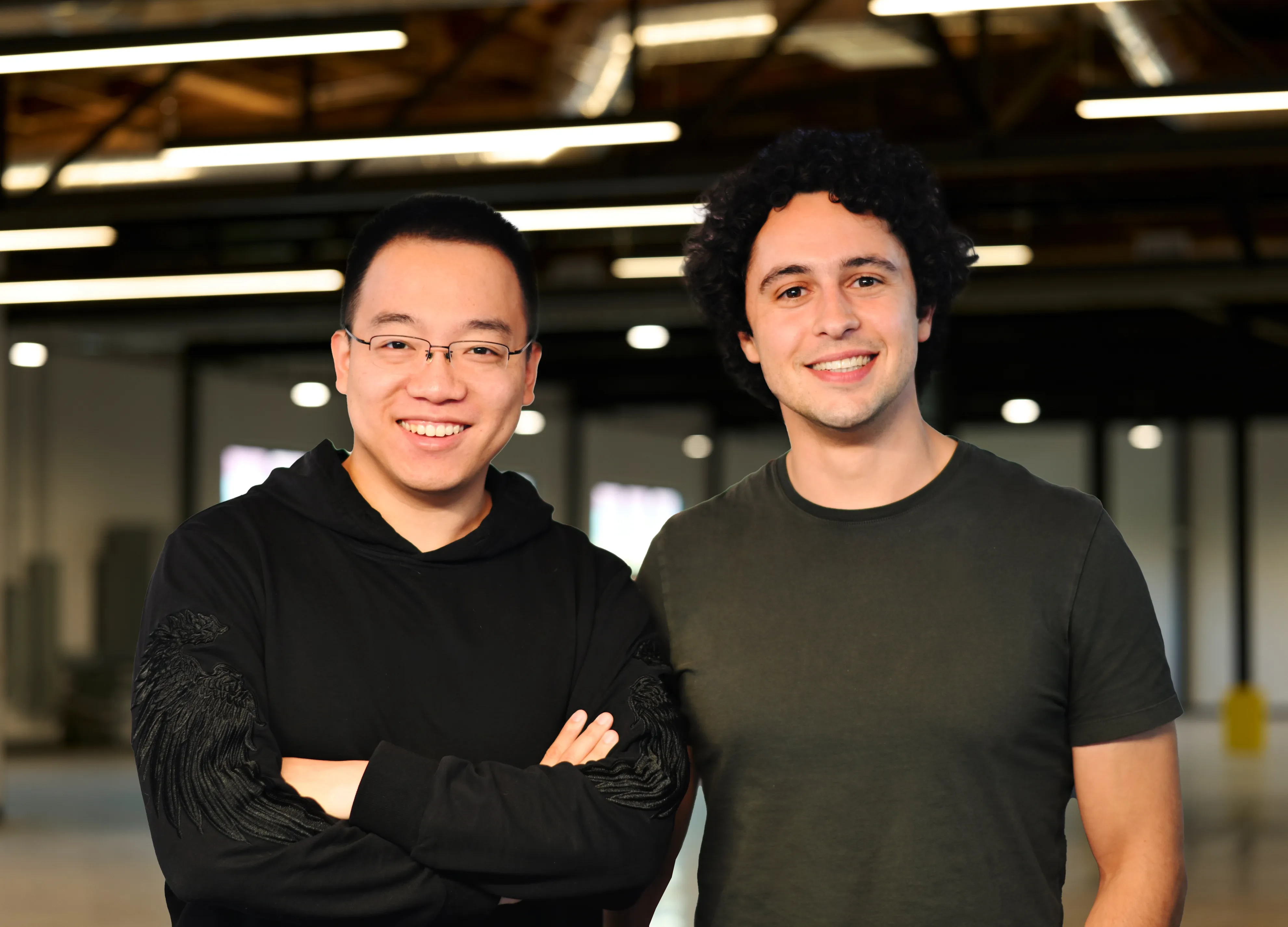
Photo: TechCrunch
A newly launched artificial intelligence venture founded by a former Google DeepMind leader has shattered funding records, raising an unprecedented $1.1 billion in seed capital as it sets out to build what it describes as “superintelligent” systems. The company, Ineffable Intelligence, has quickly become one of the most closely watched players in the global AI race despite being only months old.
The startup was founded in late 2025 by David Silver, a prominent figure in the field of reinforcement learning and a former lead researcher at DeepMind. Now also a professor at University College London, Silver is widely known for his contributions to breakthrough AI systems that learn through experience rather than relying solely on human-generated data.
Ineffable Intelligence’s record-breaking seed round—believed to be the largest ever in Europe—values the company at approximately $5.1 billion. The funding was co-led by major venture capital firms Sequoia Capital and Lightspeed Venture Partners, with participation from a powerful lineup of global investors including Nvidia, Google, DST Global, and Index Ventures, along with backing from the U.K.’s Sovereign AI Fund.
At the core of the company’s strategy is a focus on reinforcement learning, a branch of AI that enables systems to improve through trial and error, learning directly from interactions with their environment. This approach differs significantly from the dominant large language model paradigm, which relies heavily on vast datasets of human-generated text. By prioritizing experiential learning, Ineffable Intelligence aims to develop systems capable of independent reasoning, discovery, and adaptation.
Silver has articulated an ambitious long-term vision for the company—one that goes beyond incremental improvements in AI capabilities. The goal is to create a “superlearner,” a system that can autonomously acquire knowledge across domains, from basic motor skills to advanced scientific reasoning. This concept of superintelligence represents a step change in how machines interact with and understand the world, potentially redefining industries ranging from healthcare and robotics to finance and scientific research.
The scale of investment reflects growing confidence among venture capitalists that the next wave of AI innovation will come from smaller, highly specialized labs rather than established tech giants. In recent months, a number of high-profile researchers have left leading organizations such as OpenAI, DeepMind, Anthropic, and xAI to launch independent ventures, attracting billions of dollars in funding in the process.
This trend highlights a broader shift within the AI ecosystem. As large companies focus increasingly on commercializing existing technologies and scaling infrastructure, emerging startups are exploring alternative approaches, including new model architectures, agent-based systems, and more advanced learning techniques.
Several parallel developments underscore the momentum behind this movement. Recursive Superintelligence, founded by former DeepMind researcher Tim Rocktäschel, is reportedly raising up to $1 billion. Meanwhile, AMI Labs—launched by Yann LeCun after his departure from Meta—has already secured a similar funding round. Other startups such as Periodic Labs and Humans& have collectively raised hundreds of millions as they pursue next-generation AI systems.
Government interest is also rising alongside private investment. The United Kingdom, in particular, is positioning itself as a global hub for AI innovation. Officials have emphasized the importance of supporting domestic AI companies to ensure the country remains a creator—not just a consumer—of advanced technologies.
From an industry perspective, the rapid scaling of early-stage AI companies marks a significant departure from traditional startup dynamics. Historically, seed rounds were measured in millions, not billions. Today, however, the capital intensity of AI development—driven by the need for high-performance computing infrastructure, specialized talent, and large-scale experimentation—has fundamentally reshaped funding norms.
As Ineffable Intelligence begins deploying its capital, the focus will shift to execution: building cutting-edge models, attracting top-tier researchers, and demonstrating real-world applications of its technology. While the concept of superintelligence remains largely theoretical, the scale of ambition—and investment—signals that the race to achieve it is already well underway.
.webp)
Popular articles



Subscribe to unlock premium content
Art That Defines Power

Designer Masks Redefine Post-Pandemic Luxury

Luxury Smart Jewelry Becomes a $200 Million Trend Among Millennials

Art That Defines Power
Designer Masks Redefine Post-Pandemic Luxury
Art That Defines Power