Gas Prices Set to Gradually Decline as Iran Ceasefire Eases Oil Market Pressure

Gas Prices Set to Gradually Decline as Iran Ceasefire Eases Oil Market Pressure
By
Augusta Parker
Last updated:
April 9, 2026
First Published:
April 25, 2026

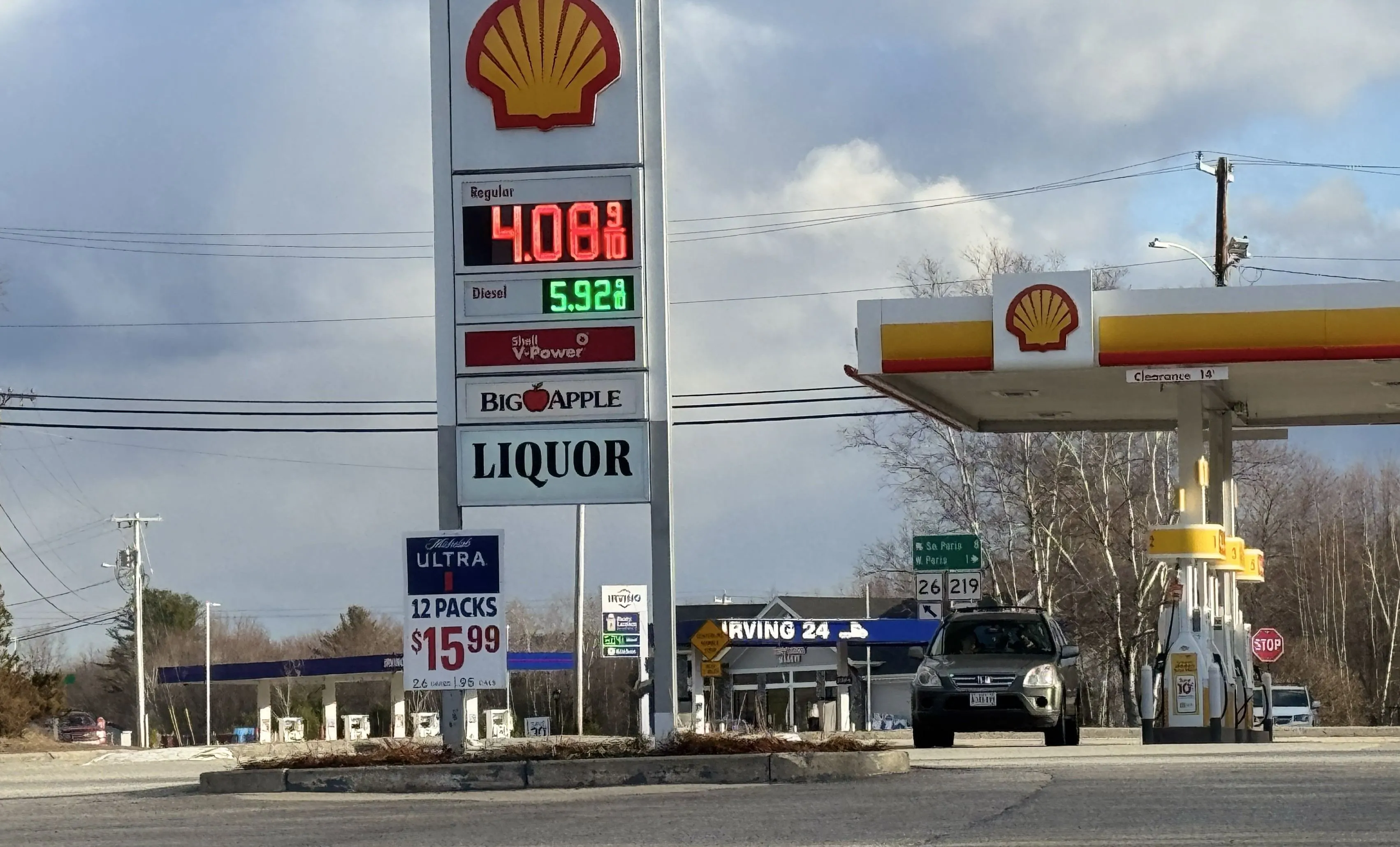
After weeks of sharp increases, fuel prices may finally be heading toward a gradual cooldown. Analysts suggest that U.S. gasoline prices could begin easing in the near term following a temporary ceasefire between the United States and Iran, which has helped stabilize global oil markets.
However, the relief is expected to be slow and limited, with several underlying factors still keeping prices elevated compared to pre-conflict levels.
Gas Prices Begin to Stabilize After Surge
The national average price for gasoline currently stands at approximately $4.16 per gallon, a significant jump from levels below $3 seen before the escalation of conflict in late February. This surge reflects the rapid rise in crude oil prices during the الأزمة, as supply fears intensified across global markets.
For context, while today’s prices are elevated, they remain below the peak of $5.01 per gallon recorded in mid-2022 during the global energy shock triggered by the Russia-Ukraine war.
Recent developments, however, indicate a shift in momentum. Crude oil benchmarks have pulled back notably, with West Texas Intermediate falling from around $113 per barrel to roughly $95, and Brent Crude declining from about $109 to similar levels.
This drop in oil prices is beginning to filter through the supply chain, setting the stage for lower gasoline prices in the weeks ahead.
Short-Term Relief Expected at the Pump
Energy analysts predict that consumers could start to see modest price reductions almost immediately. Estimates suggest a decline of approximately 10 to 20 cents per gallon over the next two weeks, assuming current conditions hold.
The easing is largely tied to expectations that the ceasefire will allow oil shipments to resume more freely, particularly through critical routes such as the Strait of Hormuz. Increased tanker movement would gradually improve supply availability, helping to bring down crude prices and, in turn, fuel costs.
However, the timeline for meaningful relief is not immediate. Because gasoline prices lag behind crude oil movements, it may take several weeks before the full impact is reflected at the pump.
Supply Chain Recovery Will Take Time
While the ceasefire has improved sentiment, the physical النفط market remains under strain. During the height of the conflict, tanker traffic through the Strait of Hormuz dropped dramatically, falling from around 130 vessels per day to just a handful.
Although activity has started to resume, flows are still far below normal levels. Restoring supply chains to pre-conflict conditions could take weeks or even months, depending on how stable the geopolitical situation remains.
Even if oil production and shipping normalize, markets are likely to retain a geopolitical risk premium. This means prices may not return to pre-war levels anytime soon, as traders factor in the possibility of future disruptions.
Seasonal Factors Adding Pressure
Complicating the outlook further are seasonal trends that typically push gasoline prices higher during this time of year. As temperatures rise, refineries transition to summer-blend gasoline, which is more expensive to produce due to stricter environmental requirements.
At the same time, demand increases as travel activity picks up during spring and summer months. This combination of higher production costs and stronger consumption tends to limit how quickly prices can fall, even when crude oil prices decline.
Refinery maintenance cycles also play a role. Many facilities undergo scheduled maintenance during this period, temporarily reducing output and tightening supply.
What Happens if the Ceasefire Fails
The current optimism is highly dependent on geopolitical stability. If the ceasefire breaks down and hostilities resume, analysts warn that oil prices could surge again rapidly, reversing any recent gains.
In such a scenario, gasoline prices could spike well above current levels, potentially revisiting or exceeding recent highs. The النفط market remains highly sensitive to developments in the Middle East, and even minor disruptions can have outsized effects on pricing.
A Fragile Path to Lower Prices
While the outlook suggests some relief for consumers, the path toward significantly lower gas prices remains uncertain. A sustained decline will depend on multiple factors aligning, including stable geopolitics, improved supply flows, and balanced seasonal demand.
For now, drivers can expect a slow and uneven easing rather than a sharp drop. The coming weeks will be critical in determining whether the current ceasefire can provide enough stability to support a more meaningful decline in fuel costs.
In the broader context, the situation highlights how closely everyday expenses like gasoline are tied to global events, reinforcing the importance of monitoring both economic and geopolitical trends when assessing future price movements.
.webp)
Popular articles



Subscribe to unlock premium content
The Hidden World of Ultra-Rare Seaweed Farming

Riding Waves and Wealth in Bali

The Market for Renting Private Libraries Where Only Rare, Unpublished Manuscripts Exist

The Hidden World of Ultra-Rare Seaweed Farming
Riding Waves and Wealth in Bali
The Hidden World of Ultra-Rare Seaweed Farming