Ford Introduces AI Platform to Accelerate Growth of Its Multibillion-Dollar Commercial Fleet Business

Ford Introduces AI Platform to Accelerate Growth of Its Multibillion-Dollar Commercial Fleet Business
By
Rachel Steinberg
Last updated:
March 11, 2026
First Published:
March 11, 2026

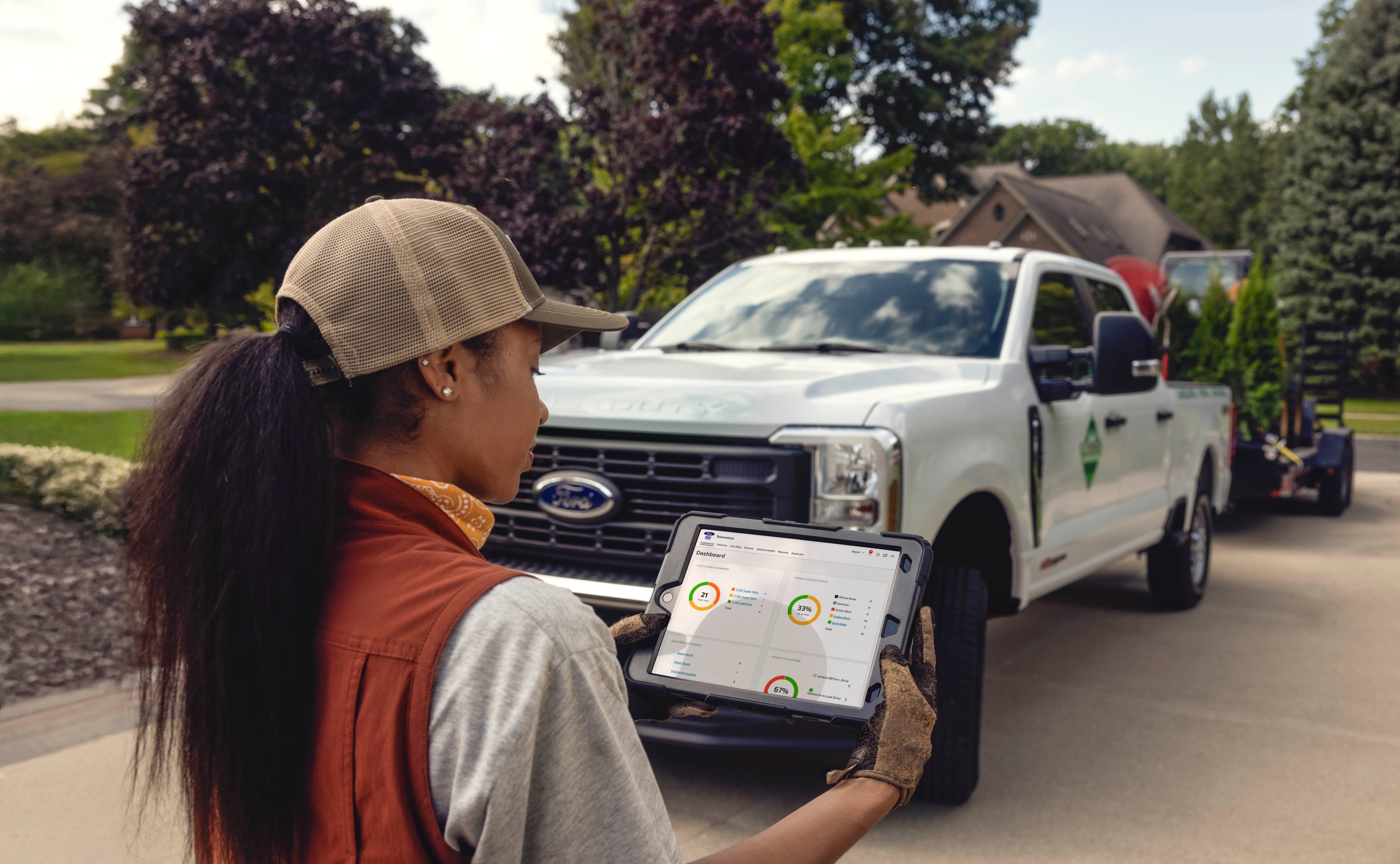
Photo: Ford
Ford Expands AI Strategy for Commercial Fleet Customers
Ford Motor is taking a major step toward transforming its commercial vehicle operations by launching a new artificial intelligence platform designed specifically for fleet customers. The system, called Ford Pro AI, is aimed at helping businesses operate their vehicles more efficiently while strengthening Ford’s growing software and services business.
The Detroit-based automaker announced that the new platform can analyze more than 1 billion data points every day collected from connected commercial vehicles. These data streams include everything from seatbelt usage and engine diagnostics to driver behavior, route efficiency and fuel consumption.
By turning that data into actionable insights, Ford hopes to help businesses manage their fleets more effectively and minimize costly vehicle downtime.
The AI system is being rolled out to Ford’s rapidly expanding Ford Pro subscriber base, which currently includes around 840,000 paid commercial customers worldwide.
Helping Businesses Maximize Fleet Efficiency
Commercial vehicles are critical tools for industries ranging from logistics and construction to utilities and public services. Even minor disruptions in fleet operations can result in significant financial losses.
Ford’s new AI system is designed to give fleet managers deeper insight into how their vehicles are being used and how operations can be optimized.
The platform can analyze operational data and provide recommendations on vehicle maintenance schedules, route planning, fuel efficiency and driver safety practices.
By identifying potential issues early, the system can help prevent breakdowns and reduce unplanned maintenance events that often cause costly delays.
According to Ford executives, improving vehicle uptime is one of the most valuable benefits for commercial customers.
Fleet downtime can cost companies hundreds or even thousands of dollars per vehicle per day depending on the industry, making predictive maintenance tools increasingly valuable.
Rapid Growth of the Ford Pro Ecosystem
Ford Pro has become one of the most important business units within the company as it expands beyond traditional vehicle sales into software-driven services.
The division provides a wide range of solutions for commercial customers, including vehicle financing, fleet management software, telematics data services and maintenance programs.
In recent years, Ford has invested heavily in building a connected vehicle ecosystem capable of supporting advanced analytics and AI-powered fleet management tools.
The results have been significant.
Ford reported that its Pro subscription base grew approximately 30% over the past year, reflecting strong demand for digital fleet management solutions.
Many companies are increasingly turning to connected vehicle platforms to improve efficiency, reduce fuel consumption and monitor driver performance.
A Multibillion-Dollar Business for Ford
Ford Pro has quickly become a major revenue generator for the automaker.
In the most recent fiscal year, the division reported $66 billion in total revenue and generated $6.8 billion in earnings, representing a profit margin of about 10.3%.
These results make Ford Pro one of the most profitable segments of Ford’s global operations.
The division’s success is partly due to its diversified business model, which combines vehicle sales with recurring revenue from software subscriptions and services.
Commercial customers typically operate large fleets and maintain long-term relationships with vehicle suppliers, making them ideal candidates for subscription-based digital tools.
Software and Services Becoming a Key Growth Engine
Ford’s leadership has repeatedly emphasized that software and services will play a larger role in the company’s future growth.
Chief Executive Officer Jim Farley recently highlighted the importance of expanding Ford Pro’s software capabilities as the company works to diversify its revenue streams.
According to Farley, digital products and physical service offerings—such as mobile repair services and predictive maintenance—are rapidly approaching 20% of total earnings for the Ford Pro division.
The new AI platform represents another step toward that goal.
As fleets become increasingly connected, the amount of data generated by vehicles continues to grow. Automakers that can analyze and monetize that data effectively could unlock entirely new business models.
How Ford Pro AI Works
Ford Pro AI operates by aggregating data from thousands of connected vehicles and analyzing it using advanced machine learning models.
The system processes information from onboard sensors, telematics systems and vehicle control units. This data is then translated into easy-to-understand insights for fleet managers.
For example, the AI can identify patterns that indicate excessive fuel consumption, inefficient routes or unsafe driving behaviors.
It can also monitor vehicle health indicators such as engine performance, battery condition and component wear, helping operators schedule maintenance before failures occur.
The current version of the platform operates primarily as a prompt-based analysis system that provides recommendations and insights rather than directly controlling vehicle operations.
However, Ford executives say the company plans to expand the system’s capabilities in the future as customer needs evolve.
Built on Advanced Cloud Infrastructure
The new AI platform is powered by Google Cloud infrastructure, which provides the computing power required to process massive volumes of vehicle data.
Ford combines this cloud-based architecture with its own proprietary vehicle data collected from millions of connected vehicles around the world.
The partnership with Google allows Ford to scale its AI systems quickly while maintaining the flexibility required to develop new services for commercial customers.
Cloud-based systems also allow fleet managers to access analytics dashboards from anywhere, enabling real-time monitoring of operations across entire vehicle networks.
The Future of Smart Fleet Management
The introduction of Ford Pro AI reflects a broader shift across the automotive industry toward software-driven mobility services.
As vehicles become increasingly connected, automakers are transforming into technology companies capable of delivering digital tools alongside physical vehicles.
For commercial fleet operators, the ability to analyze real-time operational data can significantly improve productivity and reduce operating costs.
Industry analysts expect the global market for fleet management software and connected vehicle services to grow rapidly over the next decade, potentially reaching tens of billions of dollars annually.
By combining artificial intelligence, cloud computing and connected vehicle technology, Ford aims to position its Pro division at the center of that transformation.
For businesses that rely on large fleets to keep their operations running, the ability to turn data into actionable insights could become one of the most valuable tools in modern transportation management.
.webp)
Popular articles



Subscribe to unlock premium content
Vertical Luxury

Artisan Indulgence in the Heart of New York

Artisan Indulgence in the Heart of New York

Vertical Luxury
Artisan Indulgence in the Heart of New York
Vertical Luxury