Senator Thom Tillis Blocks Federal Reserve Nominee Kevin Warsh Amid Ongoing Powell Investigation

Senator Thom Tillis Blocks Federal Reserve Nominee Kevin Warsh Amid Ongoing Powell Investigation
By
Leah Rosenfeld
Last updated:
March 11, 2026
First Published:
April 25, 2026


Photo: The Hill
Senate Standoff Delays Key Federal Reserve Appointment
A political dispute in Washington is threatening to delay the confirmation of Kevin Warsh as the next chair of the Federal Reserve, as Senator Thom Tillis of North Carolina continues to block the nomination.
Tillis made it clear that his position will not change regardless of discussions with Warsh or other lawmakers. The Republican senator has pledged that he will not support any Federal Reserve nominees until a criminal investigation involving current Fed Chair Jerome Powell is resolved.
Speaking to reporters at the U.S. Capitol, Tillis emphasized that the issue is not about the qualifications of Warsh but about what he believes is a dangerous precedent surrounding the independence of the U.S. central bank.
“There is nothing he could say that would change my position,” Tillis said when asked whether Warsh might persuade him to lift the blockade.
Investigation Into Powell Fuels Political Tensions
The dispute centers on a criminal investigation involving Jerome Powell being conducted by the U.S. Attorney’s Office in Washington, D.C. The probe reportedly relates to the Federal Reserve’s multibillion-dollar renovation project for its headquarters in the nation’s capital as well as Powell’s testimony before the Senate Banking Committee.
Powell has strongly denied any wrongdoing and has suggested that the investigation is politically motivated.
According to Powell, the scrutiny intensified after he resisted pressure from President Donald Trump to sharply reduce interest rates. Trump has repeatedly criticized the Federal Reserve in recent years, arguing that lower borrowing costs are necessary to stimulate economic growth.
The central bank, however, operates independently from the White House and typically bases monetary policy decisions on economic indicators such as inflation, employment levels and financial stability.
Tillis Defends the Independence of the Federal Reserve
Tillis says his decision to block Warsh’s confirmation is meant to protect the institutional independence of the Federal Reserve rather than to oppose the nominee himself.
He warned that allowing the confirmation process to proceed while Powell remains under investigation could send a dangerous signal to financial markets and policymakers.
According to Tillis, if investors believe that a Federal Reserve chair could be removed or pressured by the president, it could undermine confidence in the central bank’s ability to operate without political interference.
“This is about a bedrock principle of Federal Reserve independence,” Tillis said.
He added that he is concerned about how global markets might react if it appeared that the Fed chair serves “at the pleasure of the president.”
The Federal Reserve plays a critical role in the global economy, setting benchmark interest rates that influence everything from mortgage costs and credit card rates to corporate borrowing and international capital flows.
Because of that influence, even the perception of political pressure on the Fed can trigger volatility in financial markets.
Banking Committee Vote Could Be Blocked
Tillis sits on the Senate Banking Committee, the panel responsible for reviewing Federal Reserve nominations before they are sent to the full Senate for confirmation.
The senator indicated that he is prepared to vote against advancing Warsh’s nomination from the committee if the Powell investigation remains unresolved.
With the Senate closely divided, even a single vote can significantly affect whether a nomination moves forward.
A prolonged stalemate could delay leadership changes at the Federal Reserve during a period when the central bank is navigating complex economic challenges, including inflation pressures, interest rate policy and global financial stability.
Separate Legal Battle Involving Fed Governor
Complicating matters further is another legal dispute involving Federal Reserve Governor Lisa Cook.
The U.S. Supreme Court is currently reviewing whether President Trump has the authority to remove Cook from her position on the Fed’s Board of Governors.
Trump has argued that Cook should be dismissed based on allegations of mortgage fraud raised by Bill Pulte, head of the Federal Housing Finance Agency.
Cook has denied the accusations, and her supporters argue that the allegations are politically motivated.
Tillis sharply criticized the effort to remove Cook, describing it as poorly conceived.
“Whoever came up with that idea should be fired too,” he said, calling the situation “sophomoric.”
The outcome of the Supreme Court case could have significant implications for presidential authority over independent federal agencies.
Warsh Still Receives Praise From Lawmakers
Despite the political impasse, Kevin Warsh continues to receive support from several lawmakers who view him as a strong candidate to lead the Federal Reserve.
Warsh previously served as a Fed governor from 2006 to 2011 and played a key role during the global financial crisis. Since leaving the central bank, he has been active in economic policy discussions, academia and private investment.
Tillis himself acknowledged Warsh’s credentials and said he respects his experience in financial markets and monetary policy.
“I’ve known his work for quite some time,” the senator said. “That’s why I’m frustrated that I’m not going to be able to cast a vote until these other issues are resolved.”
Other lawmakers have expressed enthusiasm following their meetings with the nominee.
Lawmakers Push for a More Transparent Federal Reserve
Senator Cynthia Lummis of Wyoming said she had a productive conversation with Warsh and believes the Federal Reserve must become more transparent and adaptable to emerging financial technologies.
Lummis has been a strong advocate for innovation in the financial system, particularly in areas such as digital assets and blockchain technology.
She said the central bank should embrace new financial technologies rather than slow their development.
“America needs a transparent and accountable Federal Reserve that supports financial innovation,” Lummis said in a statement following her meeting with Warsh.
She added that modernization of the Fed is essential to maintaining the United States’ leadership in global finance.
Markets Watching Closely
The ongoing political battle surrounding the Federal Reserve nomination is being closely watched by investors and economists.
The Fed’s leadership plays a critical role in shaping monetary policy, including decisions about interest rates, inflation management and financial regulation.
These decisions influence trillions of dollars in global financial activity and can have direct impacts on stock markets, bond yields and economic growth.
A prolonged delay in confirming a new Fed chair could create uncertainty at a time when markets are already monitoring economic indicators such as inflation trends, employment data and consumer spending.
A Political and Economic Crossroads
The standoff between Senator Tillis and the administration highlights the increasingly complex intersection of politics and monetary policy in Washington.
While Warsh’s qualifications appear widely respected among lawmakers from both parties, the broader controversy surrounding the Federal Reserve and its leadership has turned his nomination into a focal point of a much larger debate.
Until the investigation involving Jerome Powell is resolved, Tillis appears determined to maintain his blockade.
For now, that decision leaves the future leadership of the Federal Reserve in limbo while lawmakers, regulators and financial markets await the next developments in Washington’s ongoing struggle over the independence of the nation’s central bank.
.webp)
Popular articles



Subscribe to unlock premium content
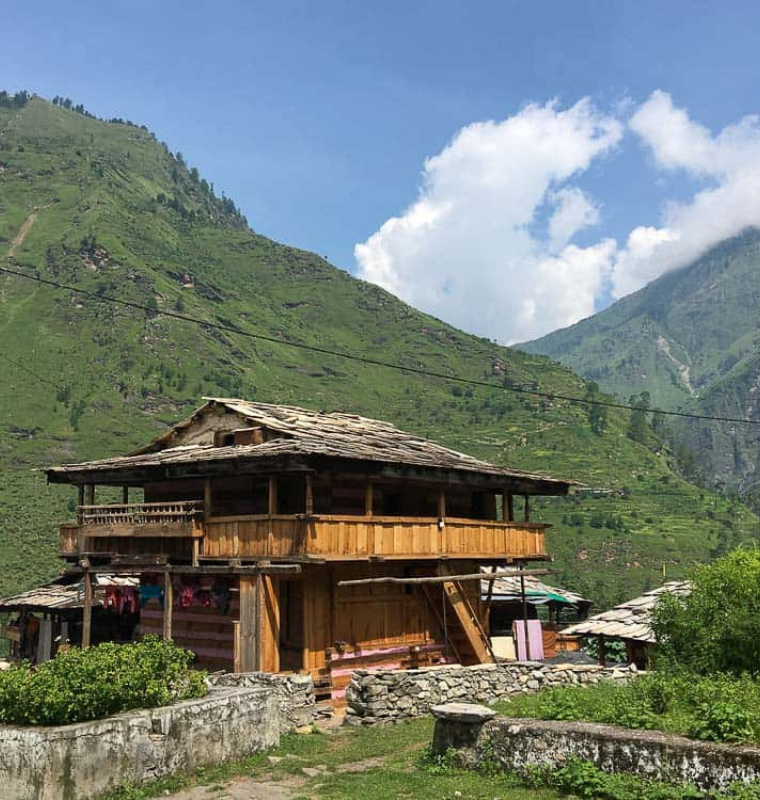
Remote Himalayan Villages Transforming Ancient Traditions into Lucrative Wellness Ventures
Gilded Holidays in Fashion

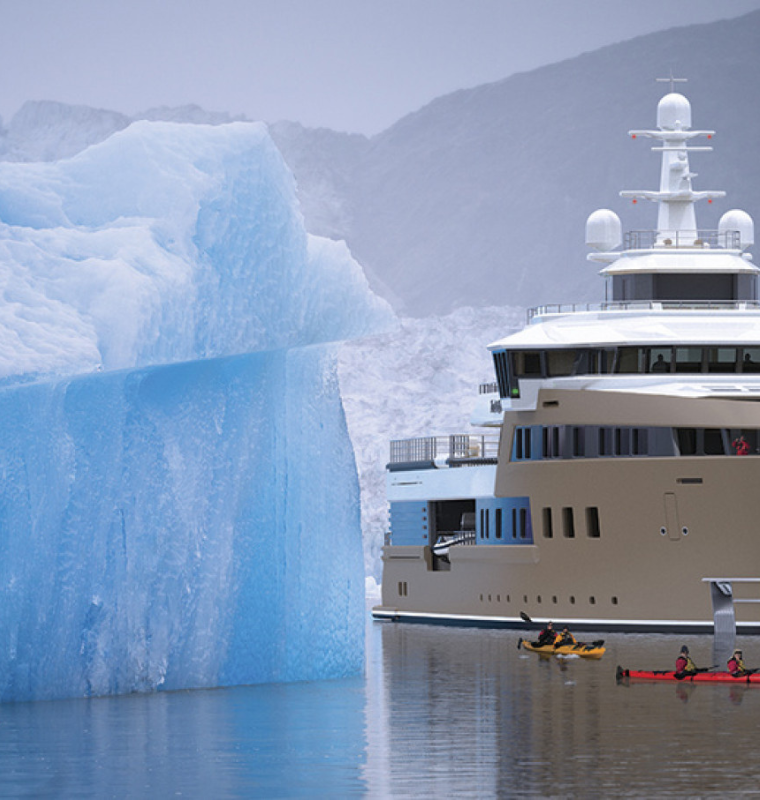
Frozen Frontiers of Luxury
Remote Himalayan Villages Transforming Ancient Traditions into Lucrative Wellness Ventures
Gilded Holidays in Fashion
Remote Himalayan Villages Transforming Ancient Traditions into Lucrative Wellness Ventures