
Fiber Surge: The Next Big Trend in Grocery and Gut Health

Fiber Surge: The Next Big Trend in Grocery and Gut Health
By
David Goldfarb
Last updated:
December 15, 2025
First Published:
December 15, 2025

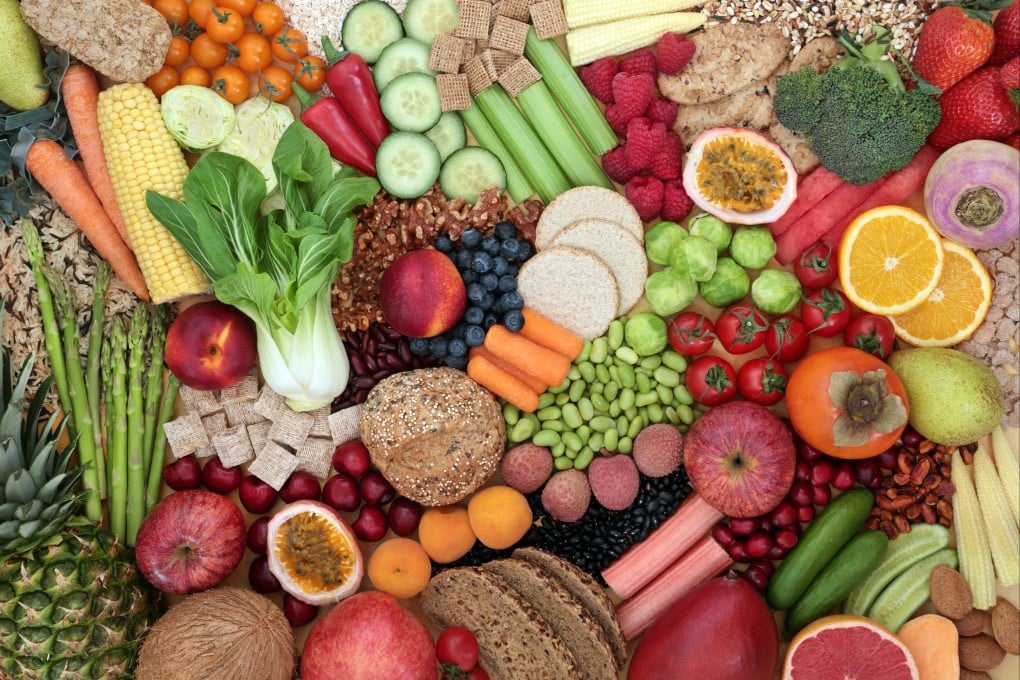
Photo: South China Morning Post
The rise of fiber in grocery aisles
After a year dominated by protein, fiber is emerging as the next major health-focused grocery trend. Food and beverage companies including PepsiCo, Coca-Cola, Nestlé, and newer players like Olipop are introducing prebiotic drinks, fiber-rich snacks, and fortified foods to meet growing consumer demand. Social media has amplified the trend with “fibermaxxing” — the practice of intentionally increasing fiber intake through fruits, legumes, and whole grains — gaining thousands of posts and followers.
A nutrient in short supply
Despite growing awareness, most Americans are not getting enough fiber. Approximately 90% of women and 97% of men fall short of daily recommendations, which range from 25 to 38 grams per day. Awareness of this deficiency is pushing shoppers to prioritize high-fiber options, with 22% of U.S. consumers ranking fiber as one of the top three factors when selecting food — up from 17% in 2021.
Wall Street is taking note as well. PepsiCo CEO Ramon Laguarta highlighted fiber’s growing importance on a recent earnings call, stating that it “could be the next protein” and is becoming a central focus of the company’s product strategy for 2026. PepsiCo plans to launch Smartfood Fiber Pop, containing six grams of fiber per serving, and SunChips Fiber featuring whole grains and black beans.
Consumer interest and generational trends
Research by Datassential indicates that 54% of U.S. consumers are interested in fiber-rich foods and beverages, with interest rising to 60% among Generation Z — the demographic leading the social media-fueled fiber trend. Additionally, 42% of shoppers say that a “high fiber” label signals a healthy product, driving retail decisions. Whole Foods has already identified fiber as a top trend for 2026.
Gut health as a lifestyle focus
Historically, fiber consumption was emphasized for older adults to support digestion. Today, the focus has expanded to people of all ages seeking gut health and digestive wellness. Nutritionists emphasize that consuming a variety of fibers from everyday whole foods supports satiety, digestion, blood pressure, and cholesterol. This approach aligns with current health trends that favor natural food sources over supplements or powders.
While fiber offers health benefits similar in some ways to weight-loss or metabolic-support products, experts caution that it is not a replacement for medications or balanced diets. However, fiber’s role as a “street sweeper” for the digestive system has increased its appeal, particularly as consumers seek holistic wellness through diet rather than relying solely on supplements or isolated nutrients.
Industry response and product innovation
Companies are responding quickly. Coca-Cola launched Simply Pop, a prebiotic soda with six grams of fiber per serving in five flavors. Nestlé introduced a protein shake with four grams of prebiotic fiber aimed at digestive support for adults on GLP-1 medications. Smaller brands such as Olipop, Floura fiber bars, and Sola Bagels are also producing fiber-enriched offerings.
PepsiCo continues to innovate across both food and beverage categories, emphasizing gut-healthy ingredients alongside traditional product lines. Quaker oatmeal and prebiotic cola are among the company’s current high-fiber offerings. R&D efforts focus on blending multiple fiber sources and other functional ingredients to meet evolving consumer preferences.
Personal adoption and health benefits
For many consumers, fiber has moved beyond a trend to a personal lifestyle choice. Content creator Naomi Aganekwu incorporates 5 to 10 grams of fiber per meal through beans, lentils, and chia seeds. She reports increased satiety, improved digestion, and reduced hormonal acne, highlighting the tangible benefits of fiber-focused diets.
Beyond daily wellness, fiber intake has been linked to potential preventive effects against colorectal cancer, adding to its long-term appeal. Consumers are increasingly motivated by the idea that simple, everyday dietary choices can have significant impacts on health outcomes.
Looking ahead
As fiber becomes the focus of food innovation and health-conscious consumers, companies are expected to expand product lines, marketing, and educational efforts. The trend reflects broader shifts in the food industry toward functional nutrition, preventive health, and transparency in product benefits. Fiber may well become a staple not only in diets but in retail strategy, cementing its role as the next major nutrient driving consumer demand.

Popular articles


Subscribe to unlock premium content
Gilded Holidays in Fashion

How HBO Max Used the Power of Limited Series to Redefine Streaming Competition and Challenge Netflix’s Binge Culture

How Stranger Things Revolutionized Netflix and Redefined Streaming Entertainment

Gilded Holidays in Fashion
How HBO Max Used the Power of Limited Series to Redefine Streaming Competition and Challenge Netflix’s Binge Culture
Gilded Holidays in Fashion


.png)