
Fed’s Hammack Signals Stability in Interest Rates for the Coming Months

Fed’s Hammack Signals Stability in Interest Rates for the Coming Months
By
David Goldfarb
Last updated:
December 22, 2025
First Published:
April 25, 2026

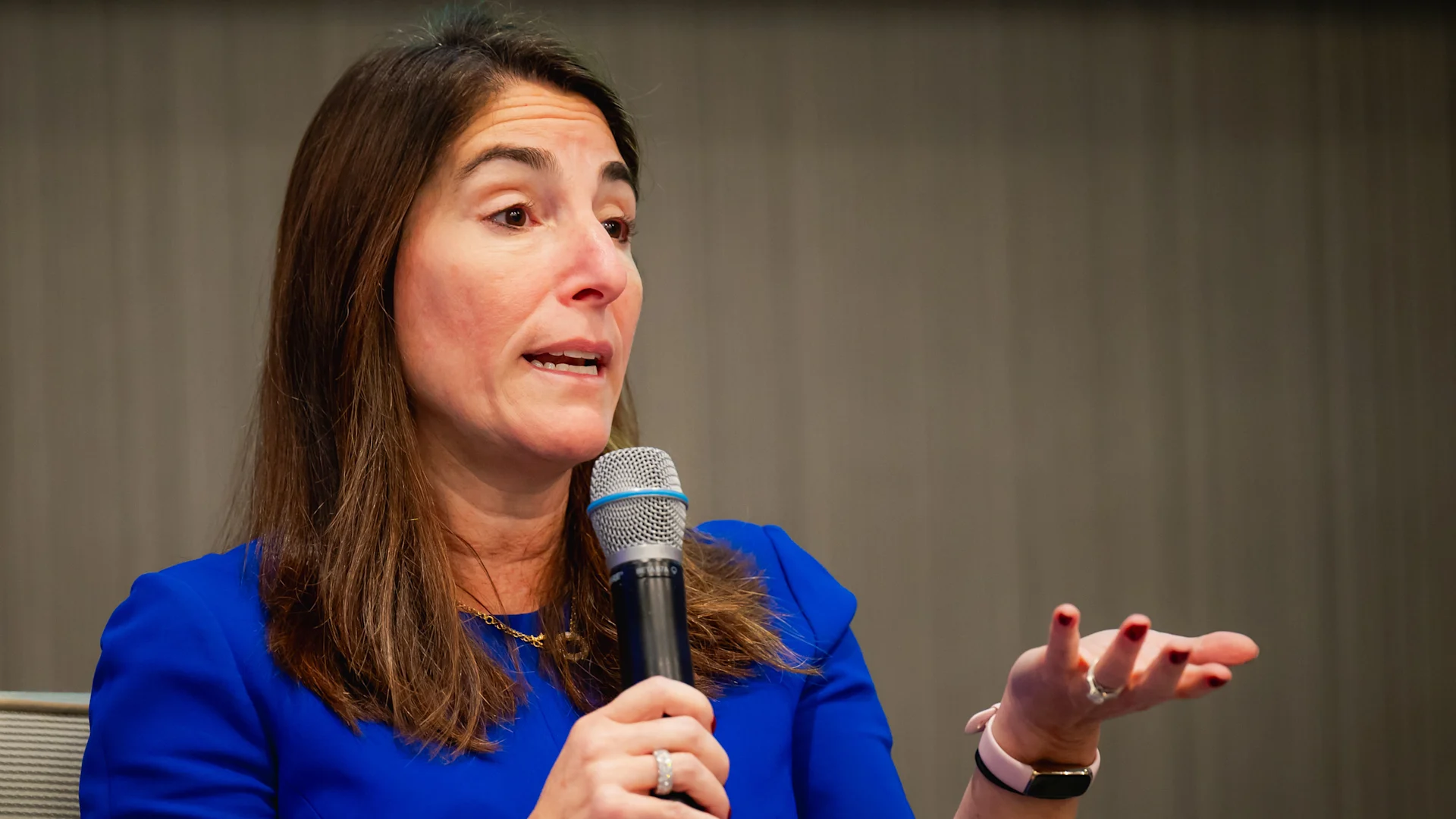
Photo: Inc. Magazine
Federal Reserve Bank of Cleveland President Beth Hammack indicated that the U.S. central bank is unlikely to adjust interest rates for several months, following three consecutive rate reductions totaling 75 basis points over recent meetings. Speaking to The Wall Street Journal, Hammack stressed that while the labor market shows signs of softening, her primary concern remains elevated inflation, which she believes warrants a steady or slightly more restrictive monetary stance.
Current Rate Environment and Inflation Outlook
The Fed’s benchmark interest rate currently sits in a 3.5% to 3.75% range, a level Hammack describes as roughly neutral. Despite recent cuts, she noted that November’s consumer price index of 2.7% may underestimate underlying 12-month inflation due to statistical distortions. In her view, staying at the current rate allows policymakers to better evaluate whether inflationary pressures are genuinely easing, particularly as the impact of tariffs imposed during the Trump administration continues to ripple through supply chains.
Hammack highlighted that she expects rates to remain stable at least until spring, giving the central bank time to monitor trends in both goods prices and employment. She emphasized that a slightly tighter policy might be appropriate to keep inflation under control, ensuring that gains in price stability are sustained over time.
Balancing Labor Market and Monetary Policy
While some Fed officials have cited potential labor-market fragility as a reason to lower borrowing costs, Hammack expressed caution about overly aggressive cuts. “My base case is that we can stay here for some period of time, until we get clearer evidence that either inflation is coming back down to target or the employment side is weakening more materially,” she said in a podcast interview.
Hammack’s comments reflect the ongoing tension at the Federal Reserve between supporting economic growth and ensuring that inflation does not become entrenched. Analysts note that the U.S. labor market has remained resilient, but persistent wage pressures and rising costs in key sectors continue to fuel concerns about price stability.
Implications for Monetary Policy
As a voting member of the Federal Open Market Committee (FOMC) next year, Hammack’s stance is expected to influence decisions on interest rates and the overall direction of U.S. monetary policy. Her emphasis on measured caution and inflation vigilance suggests that any future adjustments will likely be data-driven rather than reactive, signaling a period of stability for borrowers and investors.
Market participants may interpret her comments as a signal that the Fed is committed to maintaining balance: avoiding excessive tightening that could hinder growth, while also guarding against inflationary pressures that could erode consumer purchasing power. For businesses and consumers alike, this approach points to predictable borrowing costs and a watchful eye on economic indicators through the first half of 2026.
.webp)
Popular articles



Subscribe to unlock premium content
How Finland Uses Ice Swimming Festivals to Boost Winter Tourism and Local Economies

The Boom of Luxury Personal Libraries Renting Rare Books to the Ultra-Wealthy

Why Bhutan’s Hand-Woven Textiles Are Gaining Global Collector Value

How Finland Uses Ice Swimming Festivals to Boost Winter Tourism and Local Economies
The Boom of Luxury Personal Libraries Renting Rare Books to the Ultra-Wealthy
How Finland Uses Ice Swimming Festivals to Boost Winter Tourism and Local Economies


