Fed’s Goolsbee Warns Persistent Energy Inflation Is Putting Pressure on Global Economies

Fed’s Goolsbee Warns Persistent Energy Inflation Is Putting Pressure on Global Economies
By
Rachel Steinberg
Last updated:
May 28, 2026
First Published:
May 28, 2026

Getty Images
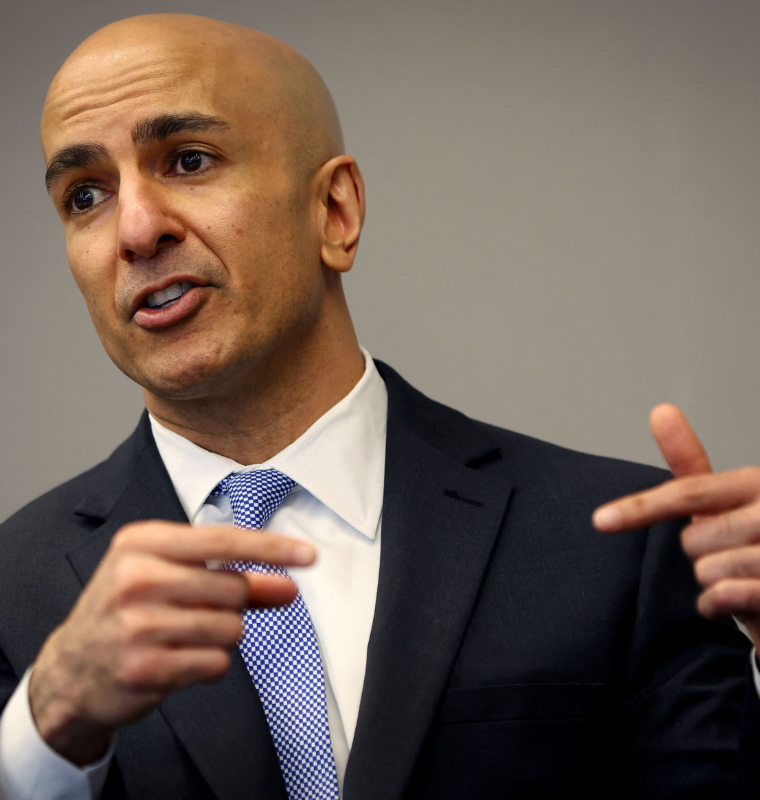
Austan Goolsbee warned that energy inflation caused by the conflict involving Iran has lasted far longer than policymakers initially expected, increasing economic pressure on countries heavily dependent on imported energy and raising concerns about a broader stagflationary environment.
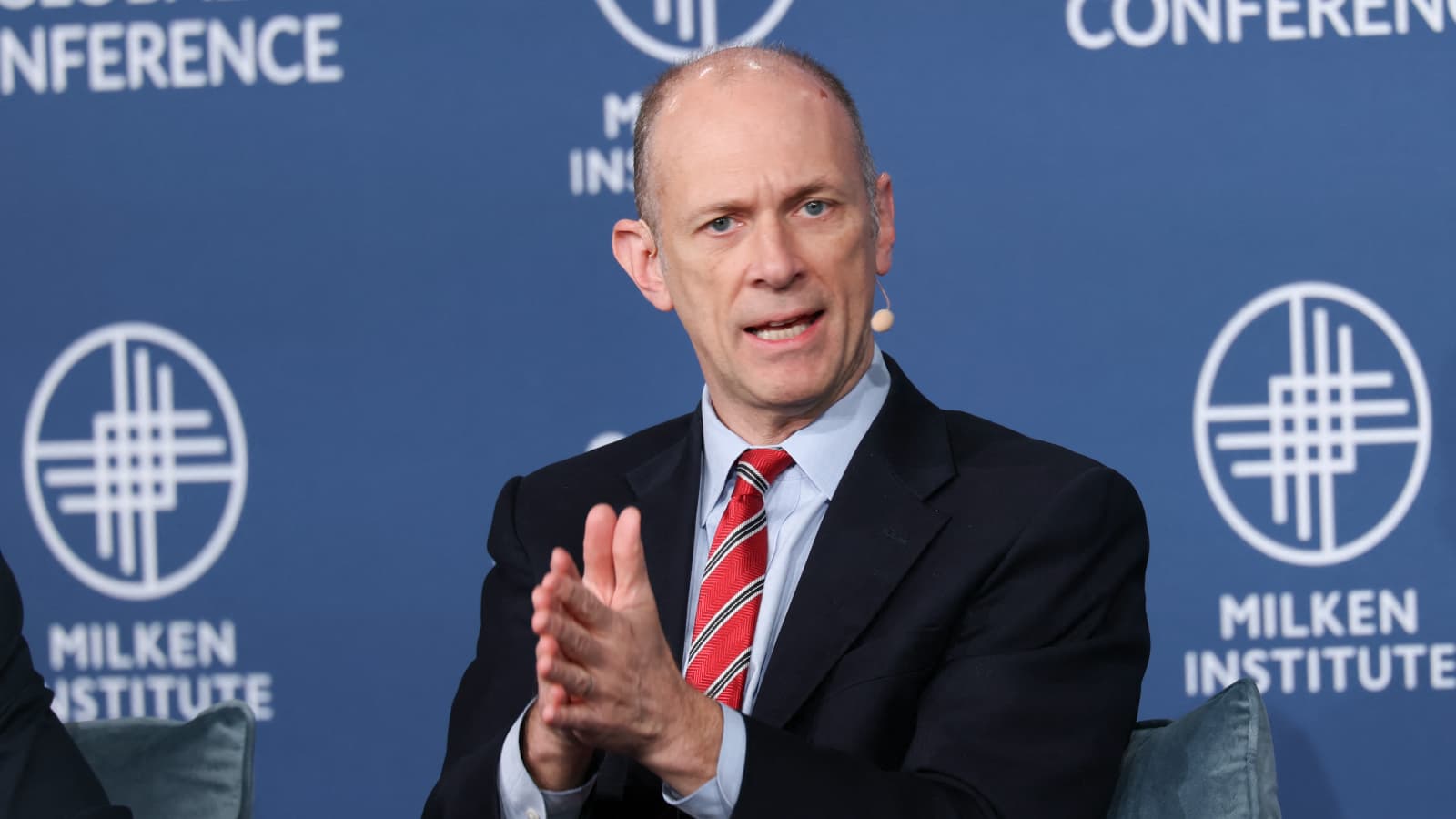
Speaking during the Bank of Japan-IMES Conference in Tokyo, Goolsbee said the recent surge in oil prices has created conditions similar to the “old-style stagflation shocks” that historically slowed economic growth while simultaneously driving inflation higher.
His comments come as global markets continue adjusting to elevated energy prices following military tensions in the Middle East and renewed fears surrounding disruptions near the Strait of Hormuz, one of the world’s most critical oil shipping routes.
Oil Prices Remain Elevated Despite Recent Pullbacks
Although crude oil prices have retreated slightly from recent highs after signs of diplomatic progress between the United States and Iran, energy costs remain significantly above levels seen before the conflict intensified.
Brent crude futures, the global oil benchmark, recently traded around $96 per barrel, while U.S. West Texas Intermediate crude hovered near $90 per barrel.
Before military strikes involving Iran and Israel escalated tensions, Brent crude had been trading near $72 per barrel, while WTI prices were closer to $67. That means oil prices remain roughly 30% to 35% higher than pre-conflict levels despite recent declines.
For central banks and governments, those elevated energy costs are becoming increasingly problematic.
Higher oil prices affect transportation, manufacturing, electricity generation, aviation, logistics, shipping, food production, and consumer energy bills. In economies heavily reliant on imported fuel, the impact can spread quickly across nearly every sector.
Goolsbee said futures markets initially underestimated how long energy inflation would persist, leading policymakers and investors to expect a much faster decline in prices.
Instead, the inflationary effects have proven more stubborn.
Asia Faces Growing Stagflation Risks
Goolsbee warned that Asian economies may be particularly vulnerable because many countries across the region are major importers of oil, natural gas, and other energy commodities.
When energy prices rise sharply, countries that rely heavily on imported fuel often face slower economic growth alongside rising inflation — a combination economists describe as stagflation.
The situation becomes especially difficult for central banks because raising interest rates to fight inflation can further weaken economic growth, while cutting rates to support growth risks worsening price pressures.
“This is more of a traditional stagflationary shock,” Goolsbee explained, referring to the combination of weak growth and persistent inflation driven by energy costs.
Several Asian economies are already experiencing slower export growth, weaker manufacturing activity, and declining consumer confidence. Rising fuel and electricity prices could intensify those pressures in the months ahead.
Countries such as Japan, South Korea, India, Thailand, and several Southeast Asian economies remain particularly sensitive to fluctuations in global energy markets due to their dependence on imported oil and liquefied natural gas.
Fed Official Defends His Earlier Inflation Concerns
Goolsbee also addressed his earlier disagreement with the Federal Reserve’s final interest rate cut in 2025.
At the time, he argued that policymakers needed stronger evidence that inflation pressures were truly easing before reducing rates further. Looking back, he said he does not regret taking that position because inflation has remained more persistent than many economists initially projected.
“I don’t regret dissenting,” he said, adding that inflation “has not proved as temporary as was advertised.”
The Federal Reserve has spent the past several years trying to bring inflation back toward its long-term 2% target after a period of elevated prices triggered by supply chain disruptions, labor shortages, strong consumer spending, and geopolitical instability.
While inflation has moderated from its peak levels, energy and services inflation continue creating challenges for policymakers.
Still, Goolsbee said he believes interest rates could eventually move significantly lower if inflation continues gradually cooling over time.
“If inflation starts moving sustainably back toward target, rates would ultimately settle well below current levels,” he said.
AI Boom Could Create a New Inflation Problem
Beyond energy prices, Goolsbee also raised concerns about the rapid growth of artificial intelligence and the possibility that financial markets may be getting ahead of actual economic productivity gains.
The AI sector has fueled massive rallies in technology stocks, semiconductor companies, and data infrastructure firms over the past two years. Investors have poured trillions of dollars into companies tied to artificial intelligence, betting that the technology will transform productivity across industries.
However, Goolsbee warned that rising stock market wealth linked to AI enthusiasm could encourage consumers and businesses to spend aggressively before the technology delivers meaningful productivity improvements.
That could create short-term overheating in the economy.
“My concern is that expectations of future wealth can drive spending today before the actual productivity gains arrive,” he explained.
He pointed specifically to the rapid expansion of data centers, AI infrastructure projects, and construction activity tied to the technology boom. Massive investments into electricity networks, chip manufacturing plants, and AI computing facilities are already increasing demand for energy, skilled labor, industrial materials, and construction services.
Some analysts have warned that surging electricity demand from AI-related infrastructure could eventually place additional strain on energy grids and contribute to higher utility costs.
Goolsbee said policymakers should closely monitor whether rising stock market gains are beginning to fuel excessive consumer spending or broader inflation pressures.
AI’s Economic Impact Could Soon Spread Across Asia
While much of the current AI investment boom has been concentrated in the United States, Goolsbee noted that the technology’s economic impact will eventually spread globally, including throughout Asia.
Countries across the region are already investing heavily in semiconductor manufacturing, cloud computing infrastructure, robotics, automation, and AI research.
“If there are major productivity gains from AI, those benefits will eventually reach Asian economies too,” he said.
That creates both opportunity and risk.
On one hand, AI could significantly improve long-term productivity and economic growth. On the other hand, the rapid pace of investment and financial speculation surrounding the technology could contribute to short-term inflation pressures, asset bubbles, and higher energy demand.
For central banks already struggling with persistent inflation and geopolitical uncertainty, the AI boom may become another major variable shaping the global economy over the next several years.
.webp)
Popular articles



Subscribe to unlock premium content
Gliding Through Ice and Luxury

Frozen Luxury in the World’s Last Frontier

From Passion to Profit: How Celebrity Hobbies Create Billion-Dollar Industries

Gliding Through Ice and Luxury
Frozen Luxury in the World’s Last Frontier
Gliding Through Ice and Luxury