Fed Minutes Reveal Deepening Debate Over the Next Move on Interest Rates

Fed Minutes Reveal Deepening Debate Over the Next Move on Interest Rates
By
David Goldfarb
Last updated:
February 19, 2026
First Published:
February 19, 2026

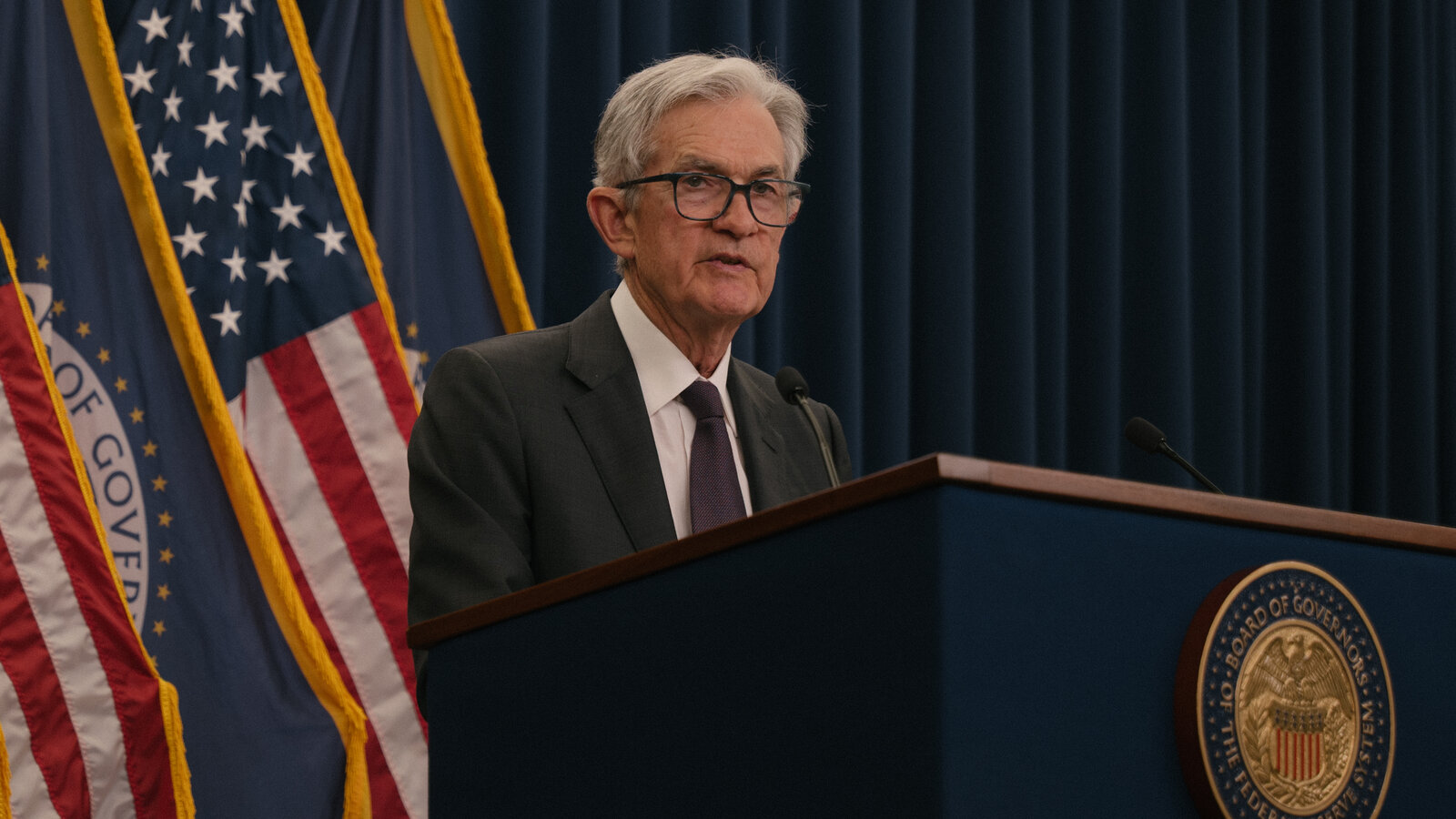
Photo: The New York Times
Fresh minutes from the January policy meeting show that officials at the Federal Reserve are increasingly divided over the future direction of interest rates. While there was broad agreement to keep borrowing costs unchanged for now, the discussion highlighted a widening spectrum of views on whether the next move should be a cut, a prolonged pause, or even a hike if inflation fails to cool.
The takeaway is clear: monetary policy is entering a more data-dependent phase, with officials balancing progress on inflation against signs of softening in parts of the labor market.
A Pause With Conditional Cuts Later
At the January meeting, policymakers suggested that rate reductions could resume later in the year, but only if inflation continues trending toward the central bank’s 2 percent target. Several members emphasized that premature easing could risk reigniting price pressures, particularly in services and wage-sensitive sectors.
The minutes reflect a cautious consensus: maintaining the current policy stance allows officials time to evaluate incoming data on consumer prices, wages, and economic growth before committing to a new trajectory.
Some Officials Raise the Possibility of Hikes
Notably, the discussion was not limited to when cuts might occur. A subset of participants argued that the policy statement should more explicitly acknowledge the possibility of rate increases if inflation remains stubbornly above target. This “two-sided” framing underscores how uncertain the outlook remains, especially with geopolitical risks, tariffs, and supply-chain adjustments still influencing prices.
Current Rate Setting and Recent Moves
After a series of three consecutive quarter-point reductions late last year, the federal funds rate currently sits in a target range of 3.50 percent to 3.75 percent. Those cumulative cuts totaled 75 basis points, marking a shift from the tightening cycle that defined much of the prior two years.
Officials now appear comfortable holding at this level while they assess whether inflation’s recent moderation is sustainable.
New Voting Dynamics Inside the Committee
The January gathering was the first with a refreshed lineup of voting regional presidents. Among the more hawkish voices are Lorie Logan of the Dallas Fed and Beth Hammack of the Cleveland Fed, both of whom have publicly argued that policy should remain restrictive until inflation risks clearly subside.
The broader committee includes all 19 governors and regional bank presidents in discussions, though only 12 cast formal votes at each meeting. This rotating structure often introduces shifts in policy tone from year to year.
Leadership Uncertainty Adds Another Layer
The policy outlook could become even more complex depending on leadership changes. With Chair Jerome Powell’s term set to end in May, attention is turning to potential successors such as Kevin Warsh, who has previously expressed support for lower rates. Current governors Christopher Waller and Stephen Miran have also leaned toward additional easing, highlighting the ideological diversity within the institution.
Inflation Outlook Remains Uncertain
Officials generally expect inflation to continue easing through the year, but the pace is far from guaranteed. The Fed’s preferred gauge, the personal consumption expenditures index, has been hovering near 3 percent, still above target. Meanwhile, measures of core consumer inflation have shown encouraging signs, recently posting their lowest readings in several years.
Policymakers flagged tariffs and supply-chain adjustments as factors that could temporarily keep price growth elevated, though many expect these effects to fade over time.
Labor Market Signals Are Mixed
Employment data since the meeting has painted a nuanced picture. Job growth remains positive, with unemployment dipping to around 4.3 percent, yet hiring momentum appears concentrated in a few sectors such as health care. Slower gains in private-sector payrolls have reinforced the Fed’s cautious approach, as officials aim to avoid tightening financial conditions too aggressively.
Market Expectations for Rate Cuts
Interest-rate futures indicate that investors currently see the most likely timing for the next rate reduction around midyear, with probabilities highest for a move in June and the potential for an additional cut in early autumn. These expectations remain fluid and will likely shift with each major inflation and employment report.
What the Minutes Signal Going Forward
The latest minutes highlight a central bank navigating a delicate transition. Inflation is no longer surging, but it is not fully contained. Economic growth remains resilient, yet pockets of weakness are emerging.
This environment is pushing policymakers toward a wait-and-see stance, where each new data release could meaningfully influence the path of interest rates.
Bottom Line
The Federal Reserve is not yet ready to commit to a clear easing cycle, nor is it signaling imminent tightening. Instead, officials are keeping all options open as they weigh the competing risks of persistent inflation and slowing economic momentum.
For markets and households alike, the message is one of patience: the direction of rates in the months ahead will hinge squarely on how convincingly inflation cools and whether the labor market continues to hold up.
.webp)
Popular articles



Subscribe to unlock premium content
Chile’s Desert Skies Are Becoming the World’s Most Exclusive Destination

The Rise of Heritage Manor Stays in the United Kingdom Countryside

H&M’s Circular Fashion Model Is Redefining Fast Fashion’s Future

Chile’s Desert Skies Are Becoming the World’s Most Exclusive Destination
The Rise of Heritage Manor Stays in the United Kingdom Countryside
Chile’s Desert Skies Are Becoming the World’s Most Exclusive Destination