FDA Greenlit $250,000 Overseas Conference Trip Amid Government Shutdown

FDA Greenlit $250,000 Overseas Conference Trip Amid Government Shutdown
By
Leah Rosenfeld
Last updated:
December 16, 2025
First Published:
December 16, 2025

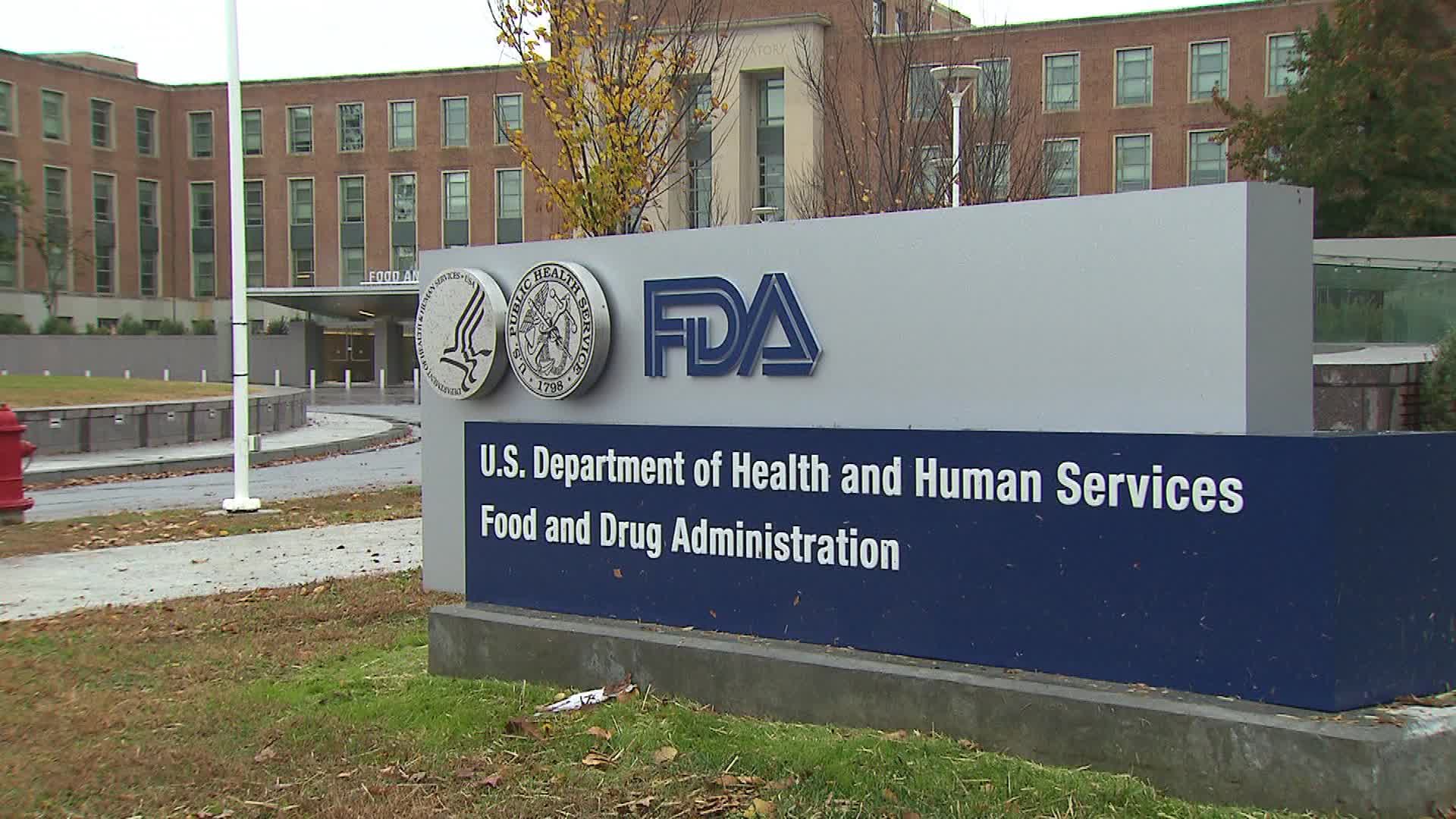
Photo: CNN
Luxury Conference Setting During a Fiscal Crisis
In the final days of the longest government shutdown in U.S. history the Food and Drug Administration approved an overseas work trip that sent dozens of federal employees to Singapore at a cost exceeding 250,000 dollars. Internal agency records show that 31 FDA staff members traveled to Sentosa Island in mid November to attend an international pharmaceutical regulatory conference while much of the federal government was operating under severe funding constraints.
The conference took place at a high end resort destination known for five star hotels luxury shopping and an adjoining casino. According to the documents the trip cost more than 8,000 dollars per attendee including airfare lodging and related expenses. The approvals were granted while the FDA itself was functioning with reduced staffing and limited operational resources due to the shutdown.
FDA Under Budget Pressure and Leadership Turmoil
The timing of the trip has drawn attention because it coincided with a period of intense strain on the agency. The Trump administration proposed an 11.5 percent reduction in the FDA’s annual budget while the agency simultaneously underwent sweeping workforce reductions. Nearly 1,900 employees were laid off and roughly 1,200 more accepted early retirement packages according to congressional testimony from FDA Commissioner Marty Makary earlier this year.
The agency has also faced internal disruption at the leadership level with former FDA commissioners publicly questioning its handling of high profile issues including vaccine oversight and regulatory independence. Against that backdrop the approval of international travel raised questions about priorities and internal governance.
Who Attended and When They Traveled
Records show that the FDA delegation included a mix of senior officials and mid level staff ranging from deputy directors to program coordinators. Travel authorization was granted roughly one week before the government shutdown ended.
Most attendees departed on Nov. 12 the same day the House of Representatives voted to reopen the government. Additional staff left on Nov. 13 and Nov. 14. The conference itself was held on Nov. 18 and 19 in a series of meeting rooms located on the resort grounds.
Purpose of the Conference and FDA’s Role
The event was organized by the International Council for Harmonisation of Technical Requirements for Pharmaceuticals for Human Use known as ICH. The organization aims to align drug development and approval standards across major global markets and is registered as a nonprofit under Swiss law.
ICH stated that roughly 500 participants attended the meeting in person including regulators and pharmaceutical industry experts from around the world. The FDA is a founding member of the organization and plays a central role in shaping its guidelines.
During the November meeting three new international guidelines were formally adopted. These included a standardized template for clinical trial protocols to reduce inconsistencies and improve electronic data sharing stronger alignment of post approval safety reporting to ensure accuracy and timeliness and new global standards for real world and noninterventional studies to ensure scientific rigor and regulatory comparability. Conference documents show that FDA staff contributed directly to all three initiatives.
FDA Defends the Trip as Mission Critical
In a statement the FDA said attendance at the conference was mission critical and necessary to support global alignment on drug development approval standards and regulatory science. The agency emphasized that participation required senior leadership approval including sign off from Chief Operating Officer Barclay Butler.
According to the FDA attendance at ICH meetings in prior years ranged from 47 to 49 staff members meaning this year’s delegation was smaller despite heightened scrutiny. The agency also noted that the trip was not funded by direct taxpayer appropriations. Instead it was paid for using carryover user fees collected from pharmaceutical and medical device companies to support regulatory activities such as reviews and inspections.
Watchdog Groups Raise Optics and Accountability Concerns
Government accountability advocates argue that funding sources do not fully address concerns about optics and stewardship. Dylan Hedtler Gaudette acting vice president of policy and government affairs at the Project On Government Oversight said the decision sends the wrong signal during a shutdown.
He acknowledged the importance of international regulatory coordination but questioned whether overseas travel should take precedence when an agency is understaffed and underfunded. He also emphasized that user fees remain public funds and should be treated with the same care and restraint as tax dollars.
According to internal FDA emails senior officials were acutely aware of the potential backlash. Agency guidance posted during the shutdown stated that business travel approvals would be handled on a case by case basis due to optics concerns. That document was removed from the FDA website shortly after inquiries were made about it.
Internal Debate Over Travel During the Shutdown
Internal correspondence reveals disagreement among FDA leadership about how to handle conference travel during the lapse in appropriations. In one email chain Director Michelle Tarver urged consistency in legal and optics considerations and proposed canceling all conference related travel while allowing only virtual participation on exempt topics.
Another email exchange shows that the decision over the Singapore trip escalated to the highest levels of agency leadership. While finance officials acknowledged limits on in person conference attendance they ultimately deferred to senior leadership for the final call.
Ongoing Scrutiny as Future Conferences Loom
The controversy highlights broader questions about government travel transparency and spending priorities during fiscal crises. With future ICH meetings scheduled to take place in cities such as Rio de Janeiro and Prague the FDA is likely to face continued scrutiny over how it balances international engagement with domestic accountability especially during periods of budget uncertainty and political pressure.

Popular articles


Subscribe to unlock premium content
Evergreen Gold

The Christmas Spending Effect

The Financial Sweet Spot

Evergreen Gold
The Christmas Spending Effect
Evergreen Gold