Fanatics Expands Global Sports Empire With FIFA Deal as Trading Card Market Faces Growing Scrutiny

Fanatics Expands Global Sports Empire With FIFA Deal as Trading Card Market Faces Growing Scrutiny
By
Alina Sinclair
Last updated:
May 25, 2026
First Published:
May 25, 2026


A Fanatics advertisement on the sideline billboard during the NWSL match between Houston Dash and Washington Spirit at Shell Energy Stadium on March 14, 2025 in Houston, Texas.
Aaron M. Sprecher | Getty Images Sport | Getty Images
Fanatics is rapidly cementing itself as one of the most powerful forces in the global sports collectibles business after securing a landmark licensing agreement with FIFA that will eventually give the company exclusive rights to World Cup trading cards and collectibles.
The deal represents another major victory for Fanatics as it continues expanding across the multi-billion-dollar sports memorabilia and trading card market. However, the company’s aggressive growth strategy is also attracting mounting criticism, legal disputes, and allegations that its increasing control over sports licensing could reduce competition across the industry.
As the global collectibles market evolves from a niche hobby into a mainstream investment and entertainment business, Fanatics now finds itself at the center of one of the sports industry’s biggest power shifts.
Fanatics to Replace Panini as FIFA’s Exclusive Collectibles Partner
Under the new agreement, Fanatics will officially take over exclusive FIFA World Cup collectibles licensing rights beginning in 2031, replacing long-time partner Panini.
The partnership dramatically expands Fanatics’ already massive sports licensing portfolio, which includes major relationships across:
• The NFL
• NBA
• MLB
• Formula 1
• WWE
• UFC
• College athletics
Adding FIFA gives Fanatics access to the world’s most watched sporting event and significantly strengthens its international reach.
The FIFA World Cup remains one of the largest global entertainment spectacles. According to official figures, the 2022 tournament generated engagement from approximately 5 billion fans across television, digital, and social platforms.
The final between Argentina and France alone reportedly reached around 1.42 billion viewers worldwide.
For comparison, even the Super Bowl — the most watched sporting event in the United States — attracts a far smaller global audience.
New “Debut Patch” Cards Aim to Drive Collector Frenzy
One of the most talked-about innovations under the new FIFA partnership involves the introduction of “debut patches.”
Starting with this year’s World Cup, players making their tournament debut will wear special patches on their jerseys during their first match appearances.
Those patches will later be removed, authenticated, and transformed into ultra-rare trading cards once Fanatics fully assumes licensing control in 2031.
The strategy mirrors a successful model Fanatics previously introduced in Major League Baseball.
The company pioneered the debut patch concept during the 2023 MLB season after acquiring baseball card licensing rights. Since then, rare one-of-one cards featuring game-worn debut patches have sold for thousands of dollars on resale marketplaces.
The scarcity model has become a major driver of the modern collectibles economy, where rarity and exclusivity increasingly determine value.
Collectors now view premium cards not just as memorabilia, but also as alternative investment assets.
Sports Collectibles Become a Major Investment Market
The sports collectibles industry has evolved dramatically over the last decade.
Once driven primarily by children and hobby enthusiasts, the market now attracts adult collectors, investors, celebrities, athletes, and high-net-worth buyers searching for rare assets.
Industry estimates suggest the broader sports collectibles and memorabilia market could be worth more than $100 billion globally.
Several factors have fueled the boom:
• Growing nostalgia among adult collectors
• Social media-driven hype culture
• Athlete branding expansion
• Online resale marketplaces
• Increased scarcity-focused products
• Alternative investment demand
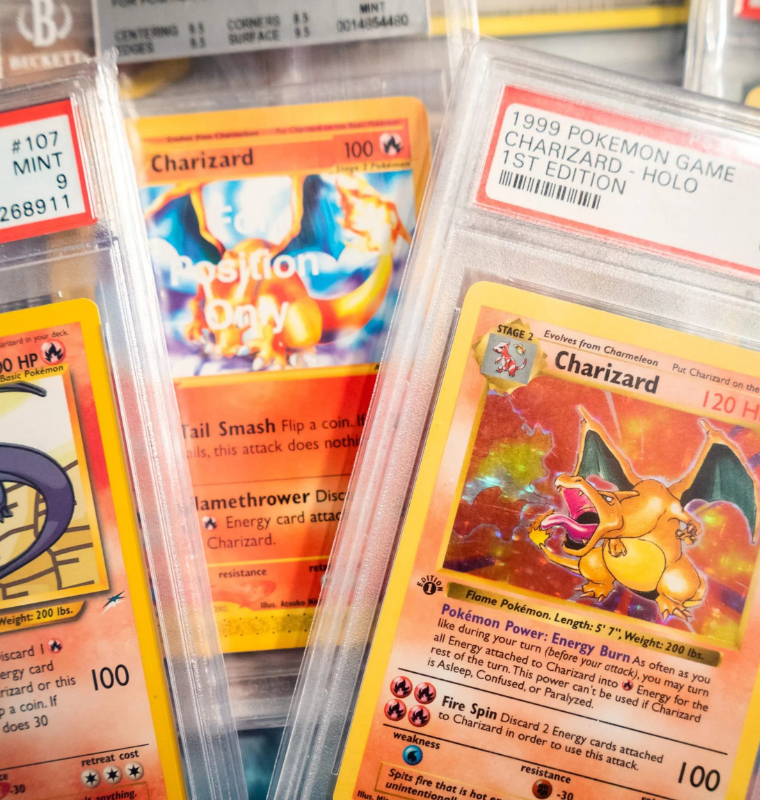
Rare cards featuring autographs, game-used materials, or one-of-one production runs can now command prices ranging from thousands to even millions of dollars.
Fanatics has aggressively positioned itself to capitalize on this transformation.
Fanatics Expands Beyond Traditional Trading Cards
Unlike many traditional collectibles companies, Fanatics has built a broader ecosystem that stretches far beyond trading cards.
The company now operates across multiple areas including:
• Sports merchandising
• Licensed apparel
• Online retail
• Sports betting
• Prediction markets
• Live events and entertainment
• Digital collectibles
Fanatics CEO Michael Rubin recently stated that the company’s collectibles division alone is expected to generate approximately $5 billion in annual revenue, while total company revenue could reach around $14 billion.
The company has also embraced modern marketing strategies designed to attract younger audiences and mainstream consumers.
In 2025, Fanatics opened a flagship collectibles store on London’s Regent Street, signaling a shift toward premium physical retail experiences.
The launch event included appearances from celebrities and athletes, including Formula 1 star Lewis Hamilton.
Social media influencers and internet personalities have also become central to Fanatics’ branding efforts as the company pushes collectibles into broader pop culture.
Critics Warn Fanatics Is Becoming Too Dominant
Despite its rapid success, Fanatics’ growing influence has sparked concerns across the collectibles industry.
Critics argue the company’s control over major sports licensing rights could reduce competition and limit consumer choice.
Before acquiring trading card company Topps in 2022 for approximately $500 million, Fanatics had already secured licensing agreements with several major American sports leagues.
Today, many of those same leagues also hold ownership stakes in Fanatics itself.
For example, the NFL participated in a major funding round that valued the company in the billions of dollars.
Consumer advocacy groups and industry critics argue that this close relationship between leagues and Fanatics could create an uneven competitive environment.
Some analysts fear reduced competition may eventually lead to:
• Higher product prices
• Fewer alternatives for collectors
• Reduced innovation pressure
• Greater control over distribution channels
• Increased barriers for smaller competitors
Several reports have also noted that prices for hobby boxes and premium trading card products have risen sharply in recent years.
Legal Battles Continue to Escalate
Fanatics’ expansion has already triggered major legal disputes.
In 2023, Panini America filed an antitrust lawsuit accusing Fanatics of attempting to monopolize the trading card industry for major U.S. professional sports leagues.
Panini argued that consumers could ultimately suffer through rising prices, weaker quality, and reduced innovation if market competition continues shrinking.
Fanatics strongly rejected those claims and called the lawsuit baseless.
The company later countersued Panini, arguing that its rival had failed to innovate and had become disconnected from collectors and modern consumer expectations.
The legal battle remains ongoing.
Meanwhile, Panini has faced its own challenges.
The company previously faced litigation related to unfulfilled redemption cards — products sold to collectors before player autographs had actually been secured.
Questions surrounding Panini’s long-term future have also intensified following reports that the company explored a potential sale with the assistance of financial advisers.
Competition Still Exists, But the Landscape Is Changing
Despite Fanatics’ rapid rise, competitors remain active.
Upper Deck continues holding important licensing rights in hockey and recently launched products similar to Fanatics’ debut patch concept.
Panini also retains agreements across several sports properties, including:
• NASCAR
• LIV Golf
• Women’s basketball leagues
Still, many industry observers believe the collectibles market is entering a new era where a small number of companies control increasingly large portions of global sports licensing.
For supporters, Fanatics represents modernization, innovation, and stronger global distribution.
For critics, the company’s expansion raises concerns about consolidation and long-term market balance.
Either way, Fanatics’ FIFA agreement marks another major turning point in the rapidly evolving business of sports collectibles.
.webp)
Popular articles



Subscribe to unlock premium content
The Hidden World of Ultra-Rare Seaweed Farming

Riding Waves and Wealth in Bali

The Market for Renting Private Libraries Where Only Rare, Unpublished Manuscripts Exist

The Hidden World of Ultra-Rare Seaweed Farming
Riding Waves and Wealth in Bali
The Hidden World of Ultra-Rare Seaweed Farming