European Markets Slide as Trump Revives EU Tariff Threats While UK Election Results Shake Political Landscape

European Markets Slide as Trump Revives EU Tariff Threats While UK Election Results Shake Political Landscape
By
Augusta Parker
Last updated:
May 8, 2026
First Published:
May 8, 2026

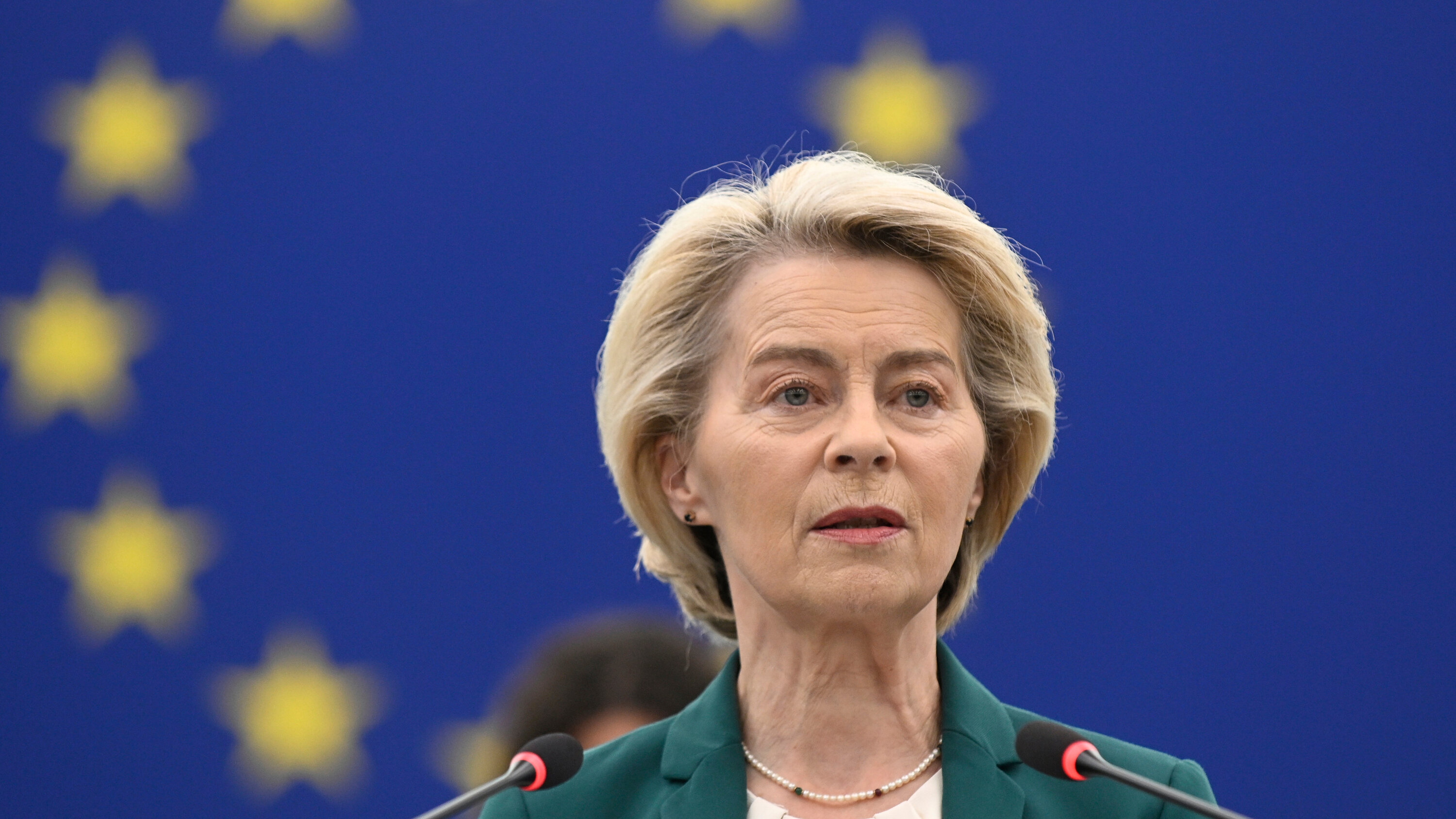
Photo: The New York Times
European stock markets were set for a weaker open on Friday as investors reacted to fresh tariff threats from U.S. President Donald Trump, renewed geopolitical tensions in the Middle East, and political uncertainty emerging from the United Kingdom’s local election results.
Futures across Europe pointed sharply lower before the final trading session of the week. Contracts linked to London’s FTSE 100 dropped around 0.7%, while Germany’s DAX futures fell nearly 0.9%. France’s CAC 40 futures slid roughly 1%, making it one of the region’s weakest early performers. Meanwhile, futures tracking the pan-European Stoxx 50 index were down approximately 0.7% as investor sentiment deteriorated across major sectors.
The market selloff follows a dramatic escalation in trade rhetoric from Trump, who warned that tariffs on European goods could rise significantly if the European Union fails to honor commitments made under last year’s trade agreement with Washington.
Trump Reignites EU Trade Tensions
In a late-night post on Truth Social, Trump accused the European Union of delaying promised concessions tied to a major transatlantic trade framework negotiated last July. That agreement had temporarily reduced the risk of a full-scale trade war after the U.S. threatened tariffs as high as 30% on European imports before both sides settled on a reduced 15% tariff structure.
According to Trump, Brussels committed to lowering tariffs on American goods to zero as part of the broader negotiations. However, he claimed the EU had failed to fully implement its side of the agreement.
“I agreed to give her until our Country’s 250th Birthday or, unfortunately, their Tariffs would immediately jump to much higher levels,” Trump wrote, referring to a recent conversation with European Commission President Ursula von der Leyen.
The comments immediately rattled financial markets, particularly export-heavy sectors including automobiles, industrial manufacturing, luxury goods, and chemicals. Germany’s DAX index, which is heavily exposed to international trade, faced some of the strongest downward pressure in premarket trading.
Analysts warned that renewed tariff threats could destabilize trade flows between two of the world’s largest economic blocs at a time when global growth is already slowing.
European Officials Push Back Against Washington
Tensions between Brussels and Washington have been building for months. Earlier this year, Trump announced plans for a broad 15% global tariff regime after the U.S. Supreme Court struck down parts of his earlier reciprocal tariff framework.
European lawmakers responded aggressively, arguing that Washington had repeatedly violated terms agreed upon during previous negotiations. A senior EU trade official reportedly accused the U.S. administration of creating “pure tariff chaos,” reflecting growing frustration inside European political circles.
Brussels later paused a parliamentary vote related to the trade agreement after Trump’s latest tariff warnings, further increasing uncertainty surrounding the future of EU-U.S. economic relations.
Economists say a renewed tariff conflict could impact hundreds of billions of dollars in annual trade. The European Union remains one of America’s largest trading partners, with total goods and services trade between the two sides exceeding $1.5 trillion annually.
Industries expected to be most vulnerable include automotive manufacturing, aerospace, pharmaceuticals, machinery, agriculture, and luxury consumer products.
Geopolitical Risks Add Pressure to Markets
Beyond trade concerns, investors are also closely monitoring escalating tensions between the United States and Iran.
Both countries reportedly exchanged strikes overnight despite ongoing diplomatic efforts aimed at maintaining a fragile ceasefire agreement. In comments made during a phone call with ABC News, Trump described the latest attacks as “just a love tap” and insisted the ceasefire remained intact.
However, traders remain cautious as fears of broader regional instability continue to affect energy markets and global risk sentiment.
Oil prices have experienced heightened volatility in recent weeks as investors assess the possibility of supply disruptions in the Middle East, particularly around critical shipping routes linked to global energy exports.
European markets are especially sensitive to geopolitical instability because of the region’s heavy dependence on imported energy and global trade networks.
UK Election Results Deepen Political Uncertainty
Political developments in Britain are also drawing intense market attention as votes continue to be counted in the country’s local council elections.
Early results indicate significant losses for both the ruling Labour Party and the opposition Conservative Party, signaling growing dissatisfaction among voters across multiple regions.
The biggest gains appear to be going to Reform UK and the Green Party, reflecting a broader fragmentation in British politics. Reform UK has been gaining momentum by campaigning heavily on immigration, taxation, and anti-establishment policies, while the Greens have expanded support among younger and urban voters focused on climate and social issues.
For Prime Minister Keir Starmer, the election results could become politically damaging. Analysts say substantial Labour losses may intensify criticism of his leadership at a time when the UK economy remains fragile and public frustration over inflation, housing costs, and sluggish wage growth continues to build.
Sterling remained relatively stable in early trading, though investors are increasingly watching whether political instability could affect Britain’s fiscal and economic policy direction heading into the next national election cycle.
Investors Shift Toward Defensive Assets
As trade tensions, geopolitical risks, and political uncertainty converge, investors across Europe are increasingly rotating toward defensive sectors and safer assets.
Utilities, healthcare stocks, and government bonds have seen renewed demand, while cyclical sectors tied to manufacturing and exports have faced broader selling pressure.
Market strategists warn that volatility could remain elevated in the coming weeks, especially if Trump follows through on his tariff threats or if Middle East tensions worsen further.
With central banks already balancing inflation risks against slowing economic growth, renewed geopolitical and trade shocks could complicate the outlook for global markets during the second half of the year.
For now, investors appear to be preparing for a more turbulent period across European equities as politics, trade disputes, and international conflict continue driving market sentiment.
.webp)
Popular articles



Subscribe to unlock premium content
Wild Luxury Redefined

Cinema in the Sky

Sustainable Style Without Compromise

Wild Luxury Redefined
Cinema in the Sky
Wild Luxury Redefined