European Markets Brace for Weak Open as Middle East Tensions Escalate

European Markets Brace for Weak Open as Middle East Tensions Escalate
By
Augusta Parker
Last updated:
April 13, 2026
First Published:
April 13, 2026

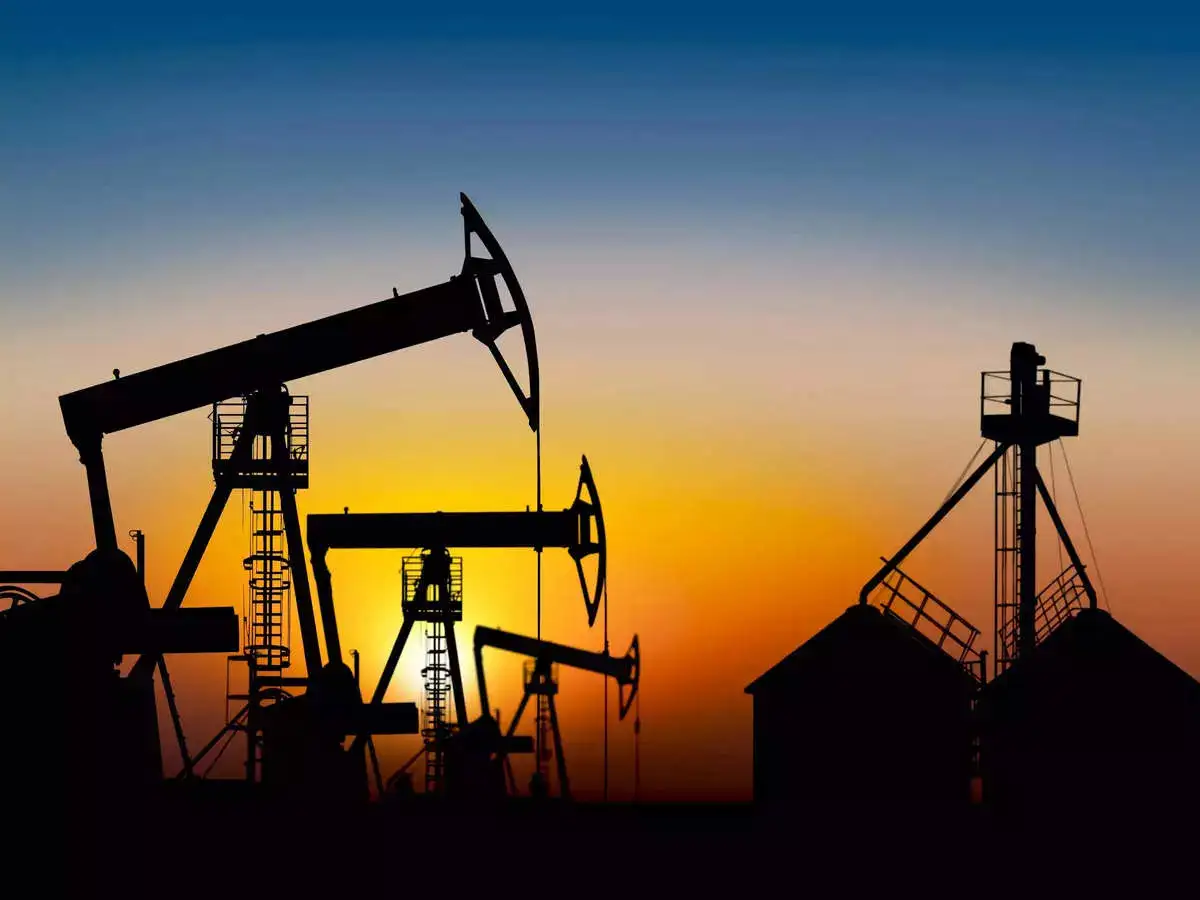
Photo: The Economic Times
European stock markets are heading into the new trading week under pressure, with investors reacting to escalating geopolitical tensions and the collapse of diplomatic efforts between the United States and Iran. The shift in sentiment follows a tense weekend that saw hopes for de-escalation quickly unravel, pushing traders back into a risk-off stance.
Futures data indicates a broadly negative start across the region. The U.K.’s FTSE 100 is expected to open approximately 0.6% lower, while Germany’s DAX could drop as much as 1.4%. France’s CAC 40 is projected to decline around 1%, and Italy’s FTSE MIB is set to fall close to 0.9%. These early signals reflect a wider global trend, with European markets mirroring declines seen across Asia-Pacific equities earlier in the day.
The primary driver behind this cautious mood is the sharp deterioration in U.S.-Iran relations. Over the weekend, negotiations aimed at easing tensions failed to produce any meaningful progress, increasing the likelihood of a prolonged geopolitical standoff. In response, the United States announced plans to impose a naval blockade on the Strait of Hormuz, one of the world’s most strategically critical energy corridors.
This narrow waterway handles nearly one-fifth of global oil shipments, making it a vital artery for energy markets. Any disruption to traffic through the strait immediately raises concerns about supply shortages and price spikes. Following the announcement, crude oil prices surged significantly, with Brent crude jumping above $100 per barrel and U.S. West Texas Intermediate climbing by more than 7% in early trading. The rally in oil has intensified inflation fears, adding another layer of complexity for central banks already navigating a delicate monetary policy environment.
Investor sentiment has been further weighed down by the implications of a potential prolonged conflict. Higher energy prices could translate into increased production costs for businesses, tighter consumer spending, and delayed interest rate cuts from major central banks such as the European Central Bank and the Federal Reserve. Bond yields have already started to edge higher in anticipation of persistent inflationary pressures.
Beyond geopolitics, European investors are also digesting a significant political development in Hungary. Long-standing Prime Minister Viktor Orban conceded defeat following a decisive election victory by Peter Magyar’s pro-European Union Tisza party. The outcome marks a notable shift in Hungary’s political direction, potentially strengthening EU cohesion while weakening a key eurosceptic voice within the bloc. Markets are likely to monitor how this transition impacts regional policy alignment, foreign investment flows, and relations with both Brussels and Moscow.
On the corporate front, attention will turn to earnings reports from some of Europe’s largest companies. Luxury giants LVMH and Christian Dior, along with energy firm Galp Energia, are set to release their latest financial results. Investors will be particularly focused on guidance and commentary, especially in light of rising input costs and uncertain global demand. The luxury sector, which has shown resilience in recent quarters, may offer insights into consumer strength at the high end of the market.
Despite the absence of major economic data releases on Monday, macroeconomic concerns remain firmly in focus. The combination of geopolitical instability, rising commodity prices, and shifting political dynamics is creating a complex environment for investors. While recent weeks have shown that markets can absorb shocks more effectively than before, the current situation still carries significant downside risks.
The week ahead is likely to be defined by headlines out of the Middle East, movements in oil prices, and any signals from policymakers regarding potential responses. For now, the outlook for European equities remains cautious, with volatility expected to persist as investors reassess risk and recalibrate expectations.
In this environment, markets are not just reacting to events—they are attempting to anticipate what comes next. And with uncertainty still elevated, European stocks appear set to begin the week on unstable footing.
.webp)
Popular articles



Subscribe to unlock premium content
How a Small Italian Leather Workshop Became a Favorite Among Luxury Designers

Why Collecting Rare Artisanal Teas Has Become a Multi-Million-Dollar Hobby

Switzerland’s Secret to Exceptional Peacefulness

How a Small Italian Leather Workshop Became a Favorite Among Luxury Designers
Why Collecting Rare Artisanal Teas Has Become a Multi-Million-Dollar Hobby
How a Small Italian Leather Workshop Became a Favorite Among Luxury Designers