
Europe Considers Economic ‘Bazooka’ as Tensions with U.S. Over Greenland Escalate

Europe Considers Economic ‘Bazooka’ as Tensions with U.S. Over Greenland Escalate
By
Rachel Steinberg
Last updated:
January 21, 2026
First Published:
April 25, 2026

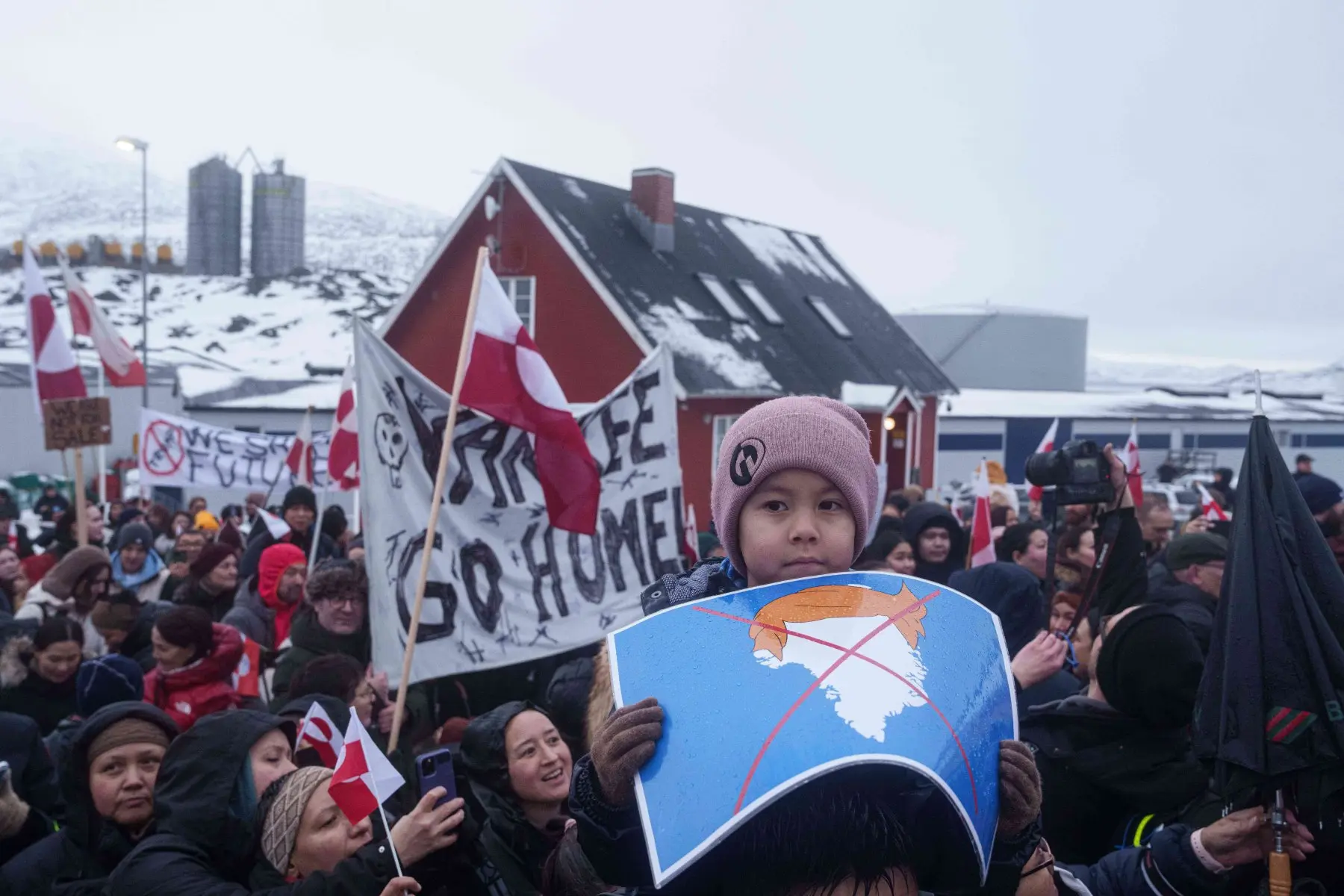
Photo: Time Magazine
European nations are weighing strong economic countermeasures against the United States following President Donald Trump’s unprecedented threat to impose escalating tariffs on eight European countries if Washington is not allowed to acquire Greenland, a strategic Arctic territory of Denmark.
Trump Threatens Europe with Steep Tariffs
Trump announced last Saturday that Denmark, Norway, Sweden, France, Germany, the U.K., the Netherlands, and Finland would face tariffs starting at 10% on February 1, rising to 25% by June 1, if no agreement is reached to transfer Greenland to U.S. control.
The tariffs would be layered on top of existing duties, which currently stand at 10% for the U.K. and 15% for the EU, raising stakes for exporters across multiple sectors. Analysts warn that such a move could disrupt trade worth tens of billions of euros annually.
EU Considers the ‘Anti-Coercion Instrument’
In response, European diplomats held an emergency meeting in Brussels, exploring the deployment of the Anti-Coercion Instrument (ACI)—a potent economic tool designed to restrict U.S. access to EU markets. Potential measures could include:
- Excluding U.S. suppliers from participating in public tenders within the EU
- Imposing new export and import restrictions on American goods and services
- Limiting foreign direct investment from U.S. companies
The ACI has never been used before but is viewed as the EU’s “big bazooka” in countering coercive trade actions. Reports suggest the bloc could implement tariffs totaling up to €93 billion ($108 billion) if the mechanism is activated.
Diplomatic Efforts and Regional Divisions
Despite the high-level discussions, European leaders are signaling a preference for diplomacy over immediate retaliation. France is pushing for full use of the ACI, while Germany and other countries urge caution, favoring dialogue to avoid escalating into a full-blown trade war.
“The key question is whether the EU confines itself to a conventional trade response or escalates to its strongest countermeasures,” said Carsten Nickel, deputy director of research at Teneo. France’s advocacy for a harder line is linked to its long-standing push for an independent European security role, while Germany’s export-dependent economy favors a measured approach.
Political and Economic Fallout
European leaders have already condemned Trump’s threats. U.K. Prime Minister Keir Starmer called the proposed tariffs “completely wrong” and a threat to NATO cooperation, while French President Emmanuel Macron described them as “unacceptable.”
Economists warn that uncertainty over Greenland and potential tariffs could dampen growth in Europe. Mohit Kumar, chief European economist at Jefferies, noted that while the February 1 deadline may be postponed, the situation is expected to create months, if not quarters, of economic uncertainty.
“The position for Europe is clear: Greenland is not for sale, and aggressive tactics will not be tolerated,” Kumar said. “Markets are likely to react negatively, with regional indexes expected to open lower as investors weigh the risks.”
What’s Next
As Trump prepares to address the World Economic Forum in Davos, European leaders hope to use the forum as an opportunity for dialogue. Analysts expect the coming months to involve intense diplomatic and economic negotiations, with potential ripple effects across global trade, investment flows, and geopolitical stability.
The Greenland dispute underscores a growing tension between U.S. ambitions and European economic sovereignty, highlighting how trade, tariffs, and strategic resources remain central to global power dynamics.
.webp)
Popular articles



Subscribe to unlock premium content
Crypto in the Arctic
Iceland’s Seaweed Revolution
Private Island Rentals for Corporate Retreats Hit $1 Billion

Crypto in the Arctic
Iceland’s Seaweed Revolution
Crypto in the Arctic


