
Energy Shock Tightens Grip on UK Economy Despite Stronger Resilience Than the 1970s

Energy Shock Tightens Grip on UK Economy Despite Stronger Resilience Than the 1970s
By
Augusta Parker
Last updated:
May 6, 2026
First Published:
May 6, 2026

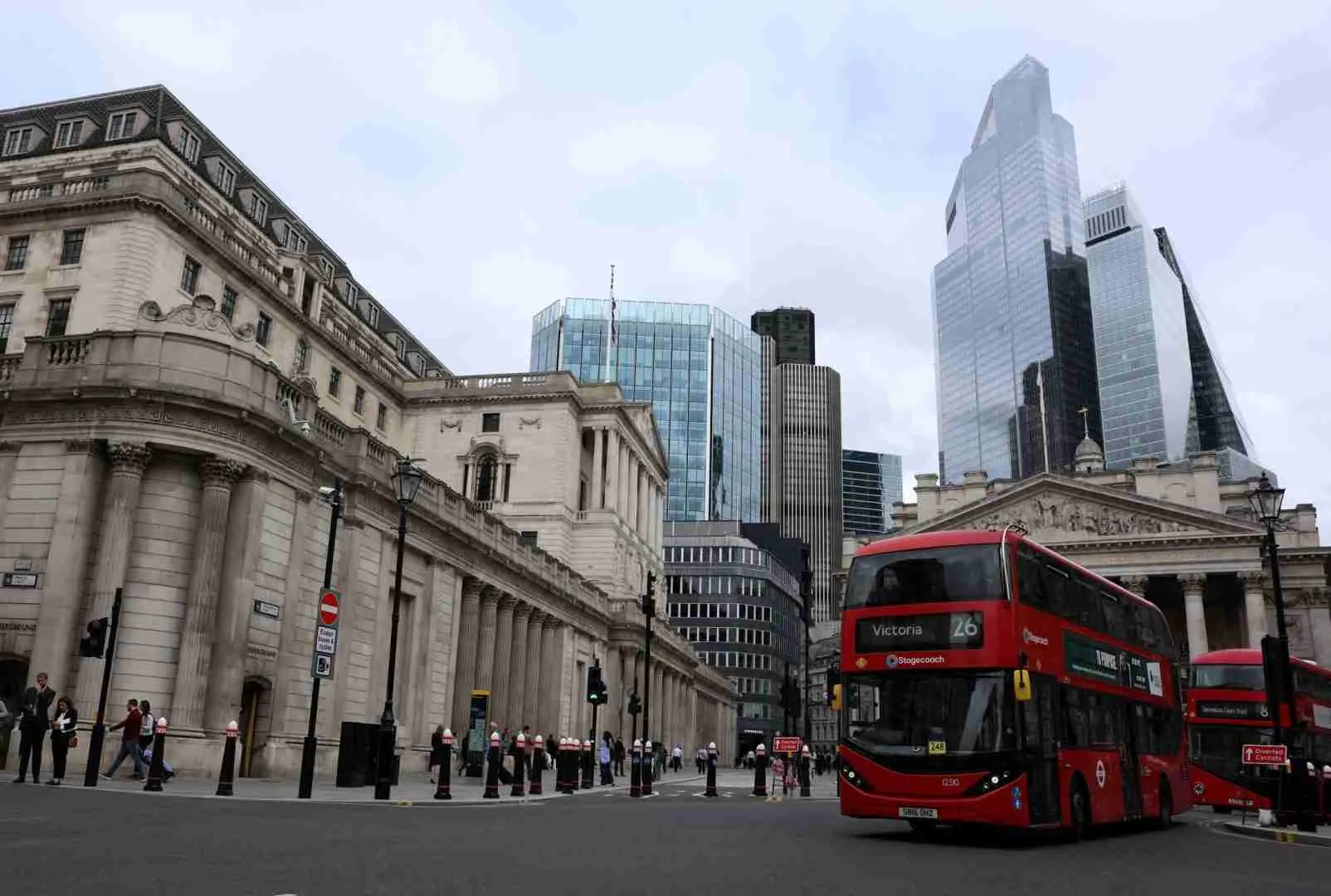
The United Kingdom is once again facing the harsh reality of an energy-driven economic squeeze. While the current situation is far from the crisis levels of the 1970s, the surge in oil and gas prices is already feeding through the economy in meaningful ways. Inflation has climbed to 3.3 percent, and the Bank of England has signaled that price pressures are likely to intensify further in the coming months.
At the core of the concern is the risk of so-called second-round effects. As energy costs rise, workers demand higher wages to maintain purchasing power, which in turn pushes businesses to increase prices. This feedback loop can force central banks to keep interest rates higher for longer, tightening financial conditions across the economy.
Compared to the 1970s, the UK is structurally better positioned to handle energy shocks. The energy intensity of GDP has fallen by roughly 70 percent since that era, reflecting decades of efficiency gains and a shift away from heavy industry toward services. This means that even sustained increases in energy prices are less likely to trigger the same scale of economic disruption seen half a century ago.
However, the reality on the ground tells a more difficult story. Despite improvements in efficiency and some domestic oil and gas production, the UK remains highly exposed to global energy price swings. One of the key reasons is the country’s relatively high electricity costs compared to other major economies.
Recent data shows UK electricity prices averaging around $110 per megawatt hour, significantly higher than Germany at approximately $89, Japan at $93, France at $44, and the United States at just $26. This gap has placed British businesses at a competitive disadvantage and increased the burden on households.
A major factor behind these elevated costs is the UK’s marginal pricing system. Under this structure, the most expensive source of energy used to meet demand—currently natural gas—sets the price for all electricity generation. While this system ensures supply reliability and prioritizes the cheapest available energy first, it has also led to unintended consequences. Lower-cost producers, including renewable energy operators, often benefit from higher market prices unless they are locked into fixed contracts.
The government has acknowledged the issue and is exploring reforms aimed at decoupling electricity prices from gas. However, structural changes will take time, and the immediate impact is already being felt across the economy.
Energy-intensive industries are among the hardest hit. Manufacturing firms that rely heavily on gas and electricity are seeing margins shrink dramatically. Denby Pottery, a well-known British ceramics manufacturer, collapsed into administration earlier this year, citing soaring energy and labor costs. Meanwhile, the government is spending over £1 million per day to support British Steel, highlighting the extent of the pressure facing critical industrial sectors.
Households are also under severe strain. By mid-2025, UK consumers owed more than £4.4 billion in unpaid energy bills, with approximately one in four households in arrears. A significant portion of this debt remains unsecured, raising concerns about long-term financial stability for both consumers and energy suppliers.
The burden does not stop there. Energy costs are feeding into broader inflation, particularly in food prices. Recent estimates suggest that UK food prices could be around 50 percent higher by late 2025 compared to 2021 levels. This sustained increase is eroding real incomes and forcing households to adjust spending habits.
There are already signs of behavioral shifts. Consumers are saving more as a precaution against rising bills, a trend that could dampen economic growth. Reduced discretionary spending is beginning to show up in corporate earnings, with several major retailers and businesses issuing profit warnings.
Companies such as J Sainsbury, Shoe Zone, and WH Smith have all flagged weaker outlooks, while major housebuilders including Crest Nicholson, Taylor Wimpey, and Berkeley Group have also reported growing uncertainty. The housing sector, in particular, is vulnerable to higher interest rates and declining consumer confidence.
Looking ahead, the trajectory of energy prices will play a critical role in shaping the UK’s economic outlook. While the country is better equipped than in the past to handle such shocks, the combination of high costs, inflationary pressure, and weakening consumer demand presents a complex challenge.
The current situation may not replicate the severe disruptions of the 1970s, but it is clear that the energy shock is exerting a powerful and persistent drag on the modern UK economy.
.webp)
Popular articles



Subscribe to unlock premium content
How Palau’s Hidden Jellyfish Lakes Are Monetized as Ultra-Premium Adventure Destinations
.png)
When Art Meets Luxury: Louis Vuitton’s Explosive Collaborations
How Slovenia’s Cave Systems Are Monetized as High-End Adventure Tourism Spots

How Palau’s Hidden Jellyfish Lakes Are Monetized as Ultra-Premium Adventure Destinations
When Art Meets Luxury: Louis Vuitton’s Explosive Collaborations
How Palau’s Hidden Jellyfish Lakes Are Monetized as Ultra-Premium Adventure Destinations


