Elliott Takes Activist Position in Lululemon With Billion Dollar Bet and CEO Push

Elliott Takes Activist Position in Lululemon With Billion Dollar Bet and CEO Push
By
Calder Monroe
Last updated:
December 19, 2025
First Published:
December 19, 2025

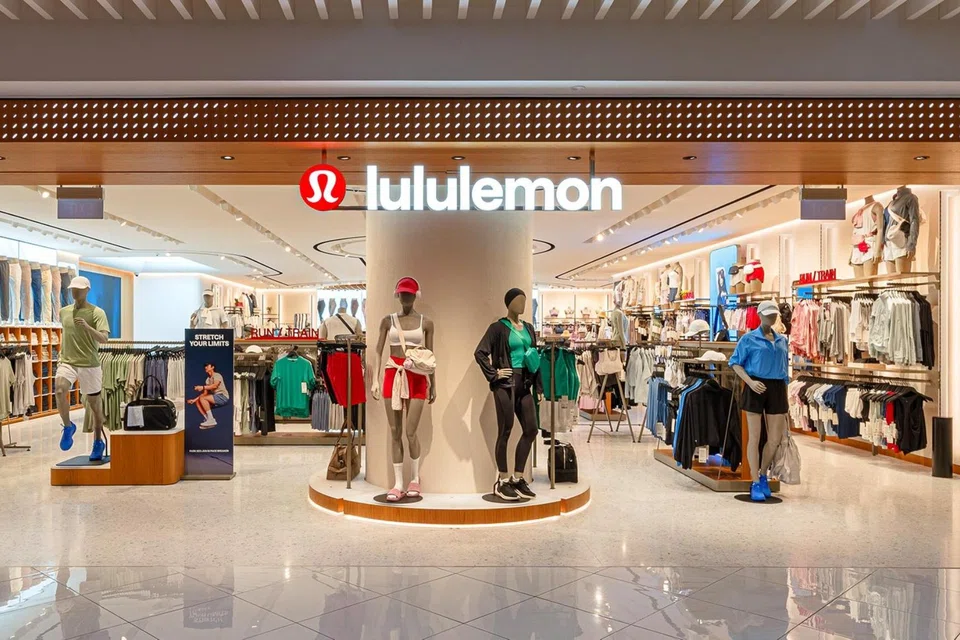
Photo: The Business Times
Activist hedge fund Elliott Investment Management has amassed a stake worth more than $1 billion in Lululemon Athletica, positioning itself as a powerful shareholder at a pivotal moment for the athletic apparel brand. The move comes just days after Lululemon announced that longtime CEO Calvin McDonald will step down at the end of January, following a prolonged period of slowing growth and investor frustration.
Shares of Lululemon jumped roughly 6% in early trading after news of Elliott’s involvement surfaced, reflecting optimism that activist pressure could help reset the company’s strategy and leadership direction.
A strategic entry during leadership uncertainty
Elliott’s investment arrives as Lululemon searches for its next chief executive amid intensifying competition and uneven performance. McDonald’s departure follows more than a year of challenges, including softer demand, margin pressure, and slowing traffic in key markets. The company has acknowledged the need for a reset and confirmed that its board is working with a leading executive search firm to identify a successor.
According to people familiar with the situation, Elliott is actively engaging with the company and has put forward a potential CEO candidate, signaling a hands on approach rather than a passive financial investment.
A potential CEO candidate with deep retail experience
Elliott is said to be working with Jane Nielsen, the former chief financial officer and chief operating officer of Ralph Lauren, as a possible contender for the top role. Nielsen brings extensive experience in global consumer brands, having held senior leadership positions at Ralph Lauren from 2016 until earlier this year. Prior to that, she served in executive roles at Coach and PepsiCo, building a track record across fashion, lifestyle, and consumer packaged goods.
Her background aligns with the challenges facing Lululemon, including international expansion, operational efficiency, and brand positioning in a more crowded athleisure market.
Founder pressure and a changing competitive landscape
Leadership scrutiny at Lululemon has been growing for months. Founder Chip Wilson has publicly criticized the company’s recent performance, stating earlier this year that the business was in a steep decline. His comments amplified investor concerns and added pressure on the board to act decisively.
At the same time, Lululemon is navigating a far more competitive environment than in previous years. Emerging athleisure brands such as Vuori and Alo Yoga have gained traction with younger consumers, while established rivals continue to invest heavily in innovation, marketing, and direct to consumer channels. This has made it harder for Lululemon to sustain the premium growth rates that once defined the brand.
Elliott’s broader activist playbook
Elliott Investment Management, led by Paul Singer, is one of the world’s most influential activist hedge funds, known for taking large stakes and pushing for operational, financial, or governance changes. Its move into Lululemon follows several other high profile investments this year, including a stake exceeding $2 billion in enterprise software firm Workday and a roughly $4 billion position in PepsiCo.
The fund’s growing portfolio reflects a focus on large, well known companies where it believes strategic changes can unlock shareholder value. In many past cases, Elliott has successfully pushed for leadership changes, cost restructuring, asset sales, or shifts in capital allocation.
What comes next for Lululemon
With Elliott now a major shareholder and a CEO transition underway, Lululemon is entering a critical phase. Investors will be watching closely to see whether the board embraces an activist backed candidate or opts for a different direction, as well as how aggressively the company moves to reignite growth and defend its market position.
While no formal decisions have been announced, Elliott’s involvement alone raises the stakes for the retailer’s next chapter. The combination of activist pressure, founder criticism, and intensifying competition suggests that meaningful change at Lululemon may be closer than many investors expected.

Popular articles


Subscribe to unlock premium content
The New Wave of Superyacht Ownership

Micro-Experience Convenience Stores Are Reinventing Quick Stops

Custom Vans for Digital Nomads Redefine Mobility

The New Wave of Superyacht Ownership
Micro-Experience Convenience Stores Are Reinventing Quick Stops
The New Wave of Superyacht Ownership