DoorDash Shares Rebound Sharply Despite Earnings Miss

DoorDash Shares Rebound Sharply Despite Earnings Miss
By
Alina Sinclair
Last updated:
February 19, 2026
First Published:
April 25, 2026

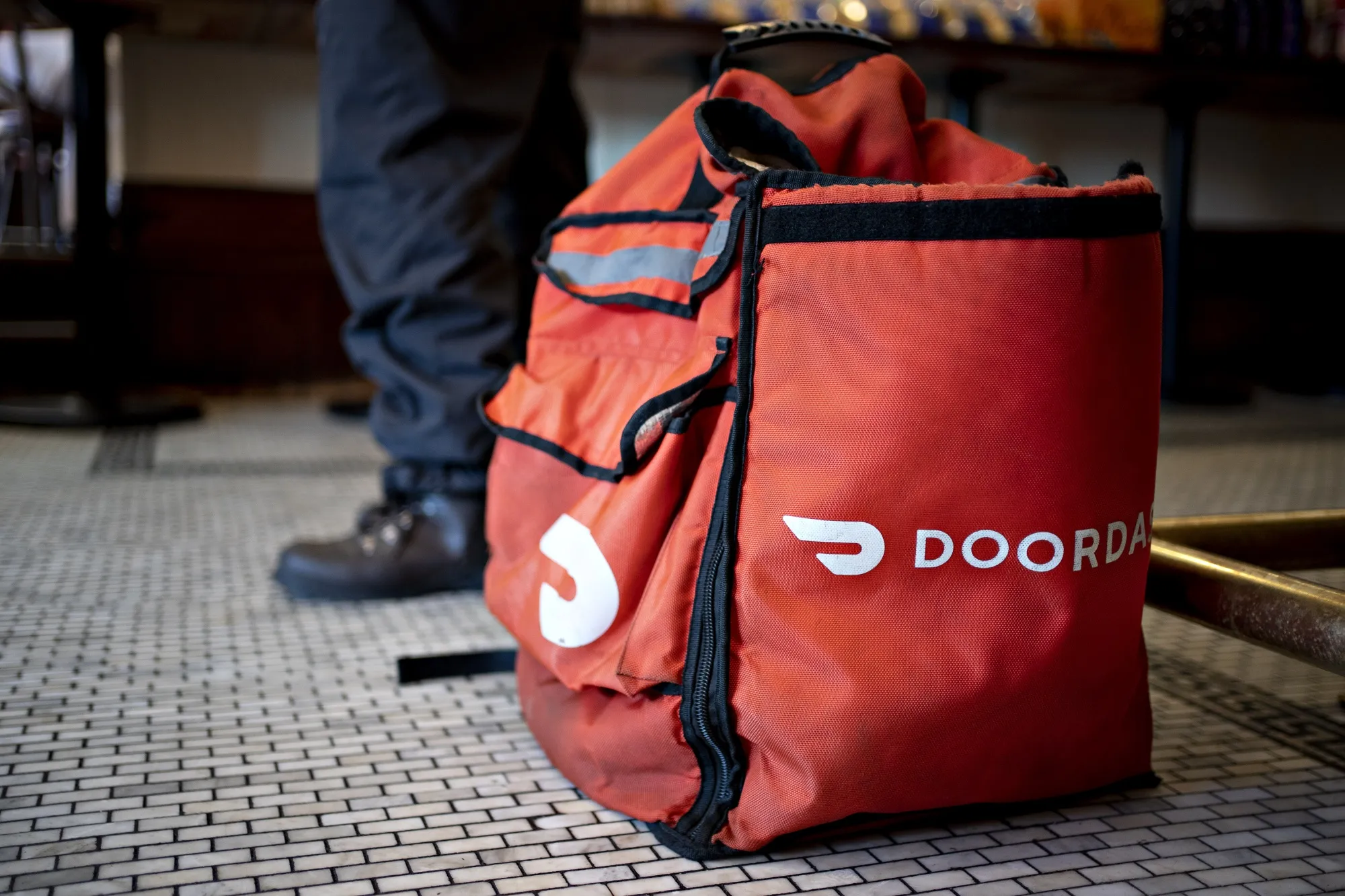
Photo: Bloomberg.com
DoorDash stock staged a strong comeback in after-hours trading, jumping about 14 percent after initially falling roughly 10 percent when the company released its fourth-quarter results. The reversal reflects a familiar pattern for high-growth tech companies: short-term disappointment followed by renewed confidence in long-term expansion plans.
Despite missing Wall Street expectations on both profit and revenue, investors appeared encouraged by robust order growth and management’s continued focus on building a global logistics platform.
Earnings Snapshot
For the fourth quarter, DoorDash reported earnings of about $0.48 per share, below analyst expectations of roughly $0.59. Revenue came in near $3.96 billion, slightly under forecasts of around $3.99 billion but still representing strong year-over-year growth of approximately 38 percent from about $2.87 billion.
Operational metrics painted a healthier picture beneath the headline miss. Total orders rose roughly 32 percent to around 903 million, while marketplace gross order value surged about 39 percent to nearly $29.7 billion, signaling sustained consumer demand across core delivery categories.
Net income reached about $213 million, up from roughly $141 million a year earlier, underscoring continued progress toward profitability even as the company ramps up investment spending.
Guidance and Investor Concerns
DoorDash’s forward outlook tempered enthusiasm. The company projected first-quarter adjusted EBITDA in the range of approximately $675 million to $775 million, below consensus expectations of about $800 million.
This softer guidance comes as investors closely monitor the company’s rising cost base, particularly after management signaled plans to invest several hundred million dollars into technology infrastructure, automation, and global expansion initiatives.
Shares had already declined more than 20 percent year to date prior to the earnings release, reflecting market sensitivity to spending levels and margin trajectory.
Strategy: Building a Unified Global Platform
Chief Executive Tony Xu emphasized that DoorDash is in the middle of a significant transformation, aiming to integrate its ecosystem into a single global platform that combines DoorDash with international operations such as Deliveroo and Wolt.
Management described the effort as complex and capital-intensive but essential for long-term competitiveness. The unified system is designed to improve logistics efficiency, accelerate product development, and enable advanced capabilities such as AI-driven recommendations, smarter dispatching, and autonomous delivery experiments.
Executives argued that choosing a more flexible, AI-ready architecture now could prevent costly limitations later, even if it increases near-term expenses.
Growth Drivers Beyond Food Delivery
While restaurant delivery remains the company’s core business, DoorDash has been expanding aggressively into adjacent categories including groceries, convenience, retail, and same-day commerce. These verticals are growing faster than the traditional food segment and are central to the company’s vision of becoming a broad local commerce platform.
International markets are also playing a larger role in growth, with recent acquisitions contributing incremental order volume and improving geographic diversification.
The Bigger Picture for Investors
DoorDash’s results highlight the tension between profitability and expansion that defines much of the on-demand delivery sector. Strong consumer demand and rising order volumes indicate that the platform model remains resilient, but the path to sustained margin expansion depends heavily on execution of its technology roadmap.
For now, the market reaction suggests investors are willing to look past a modest earnings miss in exchange for continued growth and a credible long-term strategy.
Bottom Line
DoorDash’s post-earnings rebound underscores confidence in the company’s scale advantages and platform ambitions, even as near-term guidance signals ongoing investment pressure. If order growth remains strong and the unified global platform delivers efficiency gains, the company could be positioned for improved profitability over the next several years.
.webp)
Popular articles



Subscribe to unlock premium content
Remote Himalayan Villages Transforming Ancient Traditions into Lucrative Wellness Ventures

Gilded Holidays in Fashion

Frozen Frontiers of Luxury

Remote Himalayan Villages Transforming Ancient Traditions into Lucrative Wellness Ventures
Gilded Holidays in Fashion
Remote Himalayan Villages Transforming Ancient Traditions into Lucrative Wellness Ventures