Denmark Moves to Confront Washington Over Greenland Envoy Appointment

Denmark Moves to Confront Washington Over Greenland Envoy Appointment
By
David Goldfarb
Last updated:
December 23, 2025
First Published:
December 23, 2025

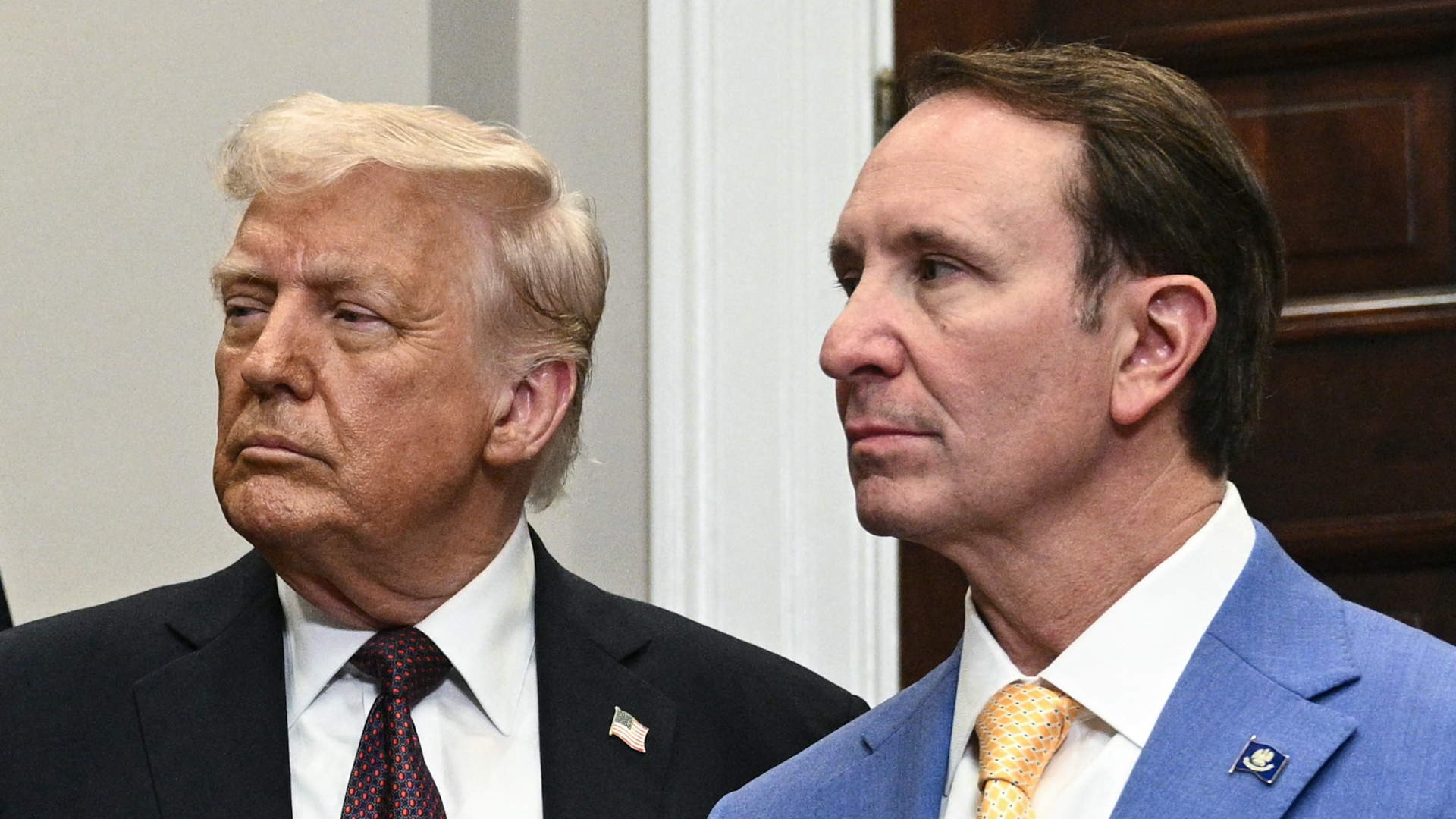
Photo: Muvi TV
Denmark is preparing to formally challenge the United States after President Donald Trump appointed a special U.S. envoy to Greenland, a move that Copenhagen says crosses diplomatic red lines and raises serious concerns about territorial sovereignty. The announcement has quickly escalated tensions between two long standing NATO allies and reopened a sensitive debate over Greenland’s strategic and economic importance.
Denmark Summons U.S. Ambassador
Danish Foreign Minister Lars Løkke Rasmussen confirmed that Denmark will summon the U.S. ambassador for urgent talks following the appointment. Speaking to Danish broadcaster TV2, Rasmussen said he was “deeply upset” by both the decision and the language surrounding it, describing the move as completely unacceptable.
He indicated that the meeting could take place within days, signaling Denmark’s intent to address the issue swiftly and at the highest diplomatic level. The Danish foreign ministry later referred all further questions to Rasmussen’s public remarks, underlining the seriousness of the response.
Trump Renews Focus on Greenland’s Strategic Value
Since beginning his second term, President Trump has repeatedly argued that the United States needs Greenland for national and allied security. Greenland, an autonomous territory within the Kingdom of Denmark, occupies a critical position in the Arctic, a region that has gained renewed geopolitical importance due to melting ice routes, military positioning, and access to natural resources.
Trump has previously declined to rule out the use of force in hypothetical scenarios involving Greenland, comments that have alarmed Danish and Greenlandic officials alike. Greenland is believed to hold significant reserves of rare earth minerals, uranium, and other critical resources that are increasingly central to global supply chains and clean energy technologies.
Appointment of a Special Envoy
Late Sunday, President Trump announced via social media that Louisiana Governor Jeff Landry would serve as the U.S. Special Envoy to Greenland. Trump said Landry “understands how essential Greenland is to our national security” and would work to advance U.S. interests for the safety of allies and global stability.
While Washington has not outlined the envoy’s specific mandate, the symbolism of the role has drawn sharp criticism in Denmark, where officials see it as an attempt to exert political influence over a territory that is not for sale and not open to external control.
Firm Pushback From Copenhagen
Danish Prime Minister Mette Frederiksen responded forcefully, reiterating that Greenland’s future lies solely in the hands of its people. In a public statement shared on social media, Frederiksen said that Greenland belongs to Greenlanders and emphasized that no country has the right to change national borders through political pressure or military threats.
She added that Denmark expects full respect for its territorial integrity and for international law, a clear signal that Copenhagen views the situation as more than a routine diplomatic disagreement.
Greenland’s Position Remains Clear
Greenlandic leaders have consistently rejected suggestions of becoming a U.S. territory. While the island has explored limited mining projects and economic diversification, its government has shown little appetite for transforming Greenland into a large scale resource extraction hub under foreign influence.
Local officials have also pushed back against external narratives that frame Greenland primarily as a strategic asset, stressing issues such as environmental protection, sustainable development, and self determination.
Broader Economic and Geopolitical Implications
The dispute highlights how economic interests, security concerns, and Arctic geopolitics are increasingly intertwined. As competition intensifies among major powers for access to critical minerals and strategic locations, smaller territories like Greenland are finding themselves at the center of global power dynamics.
For markets and policymakers, the episode underscores growing uncertainty around Arctic governance, defense cooperation, and resource development. Any escalation in rhetoric or policy could have ripple effects across NATO relations, Arctic investment strategies, and long term economic planning in the region.
For now, Denmark’s decision to summon the U.S. ambassador marks a clear diplomatic line in the sand, signaling that while cooperation remains essential, sovereignty and international norms are non negotiable.

Popular articles


Subscribe to unlock premium content
The New Wave of Superyacht Ownership

Micro-Experience Convenience Stores Are Reinventing Quick Stops

Custom Vans for Digital Nomads Redefine Mobility

The New Wave of Superyacht Ownership
Micro-Experience Convenience Stores Are Reinventing Quick Stops
The New Wave of Superyacht Ownership