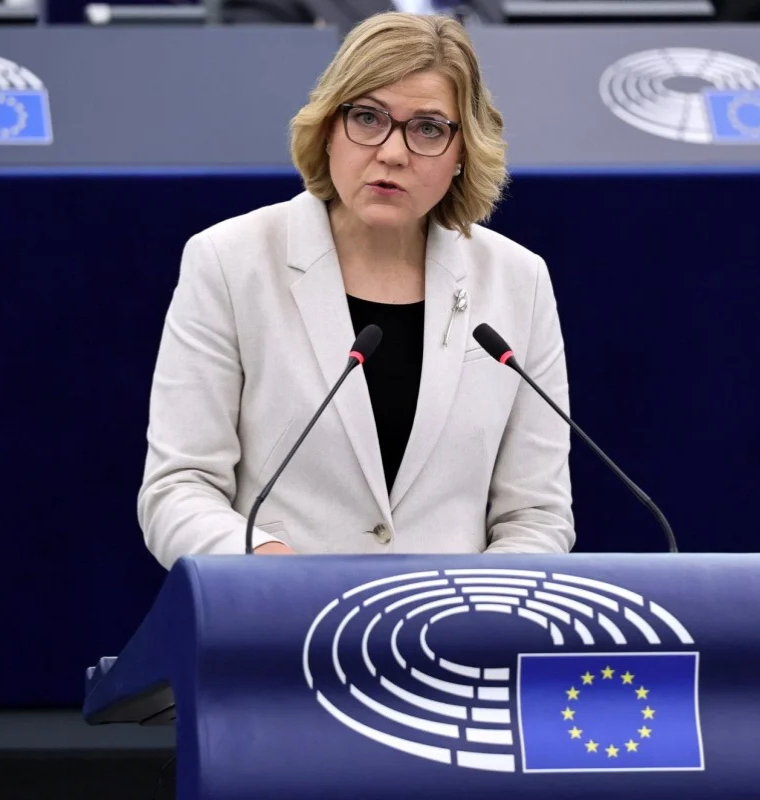
Denmark Enters Crisis Mode as Trump Renews Push for Greenland After Venezuela Strike

Denmark Enters Crisis Mode as Trump Renews Push for Greenland After Venezuela Strike
By
Rachel Steinberg
Last updated:
January 6, 2026
First Published:
April 25, 2026

Trump Reignites Greenland Debate After Venezuela Operation
U.S. President Donald Trump has once again intensified global debate over Greenland, reiterating his desire for American control of the Arctic territory just days after a dramatic U.S. military operation in Venezuela. Speaking to reporters aboard Air Force One, Trump framed Greenland as a strategic necessity, arguing that the island is essential to U.S. national security and questioning Denmark’s ability to safeguard it.
The comments followed the U.S. strike in Venezuela that resulted in the capture of President Nicolás Maduro and his wife, a move that has already unsettled governments worldwide. For officials in Copenhagen, Trump’s renewed focus on Greenland has triggered what analysts describe as a full-scale political and diplomatic crisis.
Strong Pushback From Denmark and Greenland
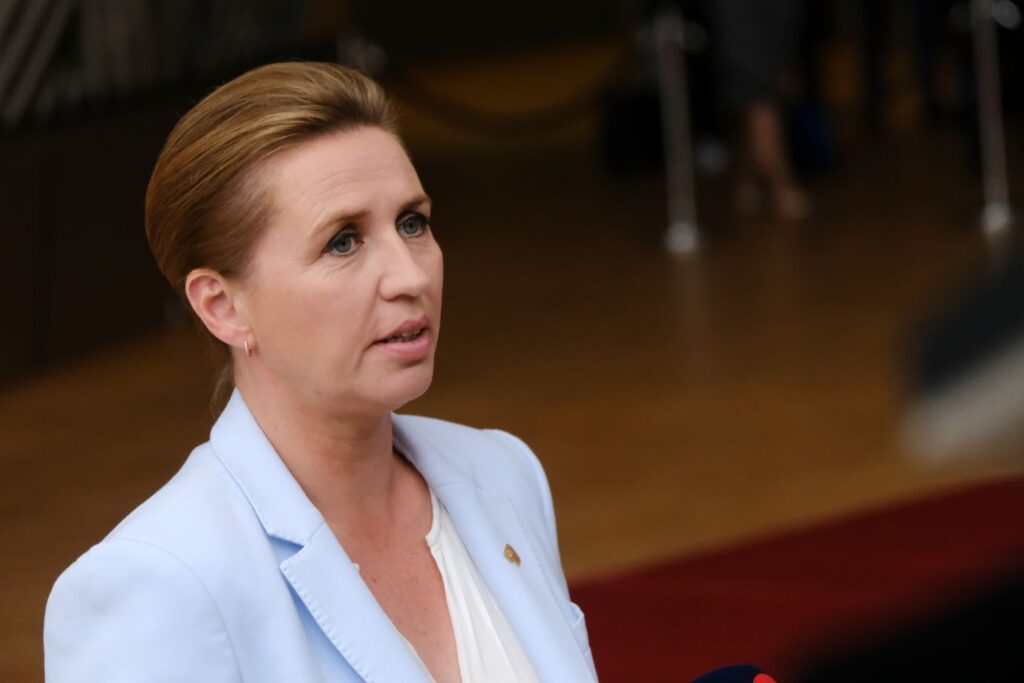
Denmark, which is responsible for Greenland’s defense, responded swiftly and forcefully. Prime Minister Mette Frederiksen publicly rejected Trump’s statements, emphasizing that Greenland is not for sale and remains an integral part of the Kingdom of Denmark. She stressed that Denmark and Greenland are both covered by NATO’s collective security guarantees and already maintain defense agreements with the United States that grant Washington broad access to Greenland.
Frederiksen warned that threatening rhetoric toward a close ally undermines decades of cooperation and stability within the transatlantic alliance. Greenland’s Prime Minister, Jens-Frederik Nielsen, echoed that stance, calling the remarks disrespectful and dismissive of Greenlanders’ clearly stated wishes.
Why Greenland Matters Strategically
Greenland’s significance extends far beyond its sparse population of roughly 56,000 people. The island occupies a critical position between North America and Europe, making it central to Arctic defense, missile warning systems, and control of emerging polar shipping routes. It is also rich in untapped natural resources, including rare earth minerals essential for advanced technologies, renewable energy systems, and defense manufacturing.
As climate change accelerates ice melt in the Arctic, Greenland’s economic and strategic value has only increased. The region is rapidly becoming a focal point of competition among global powers, adding urgency and sensitivity to any discussion of sovereignty or control.
Public Opinion and Independence Aspirations
Opinion polls over recent years consistently show that Greenlanders overwhelmingly oppose U.S. control of the territory. At the same time, many support a gradual path toward greater autonomy or eventual independence from Denmark. These dynamics have pushed Copenhagen to strengthen ties with Nuuk, increasing investments in healthcare, education, and infrastructure while giving Greenlandic authorities more influence over local governance.
In parallel, Denmark has sought to reassure both Greenland and NATO allies by expanding its Arctic defense commitments, including additional surveillance capabilities and the planned purchase of 16 more F-35 fighter jets to bolster regional security.
Analysts Warn of Broader Alliance Risks
Political risk analysts say Trump’s remarks represent a serious escalation. Eurasia Group’s Mujtaba Rahman described Denmark as being in “full crisis mode,” warning that the risk surrounding Greenland is being underestimated by markets and policymakers alike. According to Rahman, a hypothetical U.S. intervention in Greenland could pose a greater threat to NATO unity and EU cohesion than many existing geopolitical flashpoints.
Trump has previously refused to rule out the use of economic or military pressure to achieve control over Greenland. Last month, he appointed Louisiana Governor Jeff Landry as special envoy to the territory, a move criticized by both Danish and Greenlandic leaders due to Landry’s public support for U.S. ownership of the island.
Heightened Tensions After Symbolic Gestures
Adding to the unease, social media activity from figures close to the White House has fueled speculation and anxiety. A widely shared post depicting Greenland draped in an American flag shortly after the Venezuela operation amplified fears that Trump’s comments may reflect more than rhetorical positioning.
For Denmark and Greenland, the episode underscores growing uncertainty about U.S. intentions and the future balance of power in the Arctic. For NATO and the European Union, it raises uncomfortable questions about alliance cohesion at a time when global geopolitical risks are already elevated.
.webp)
Popular articles



Subscribe to unlock premium content
The Market for Renting Private Libraries Where Only Rare, Unpublished Manuscripts Exist

Living Underwater in the Heart of the City

Frozen Luxury in Europe

The Market for Renting Private Libraries Where Only Rare, Unpublished Manuscripts Exist
Living Underwater in the Heart of the City
The Market for Renting Private Libraries Where Only Rare, Unpublished Manuscripts Exist