Cuba Reports Dozens of Nationals Killed During U.S. Operation in Venezuela
By
Last updated:
January 5, 2026
First Published:
January 5, 2026

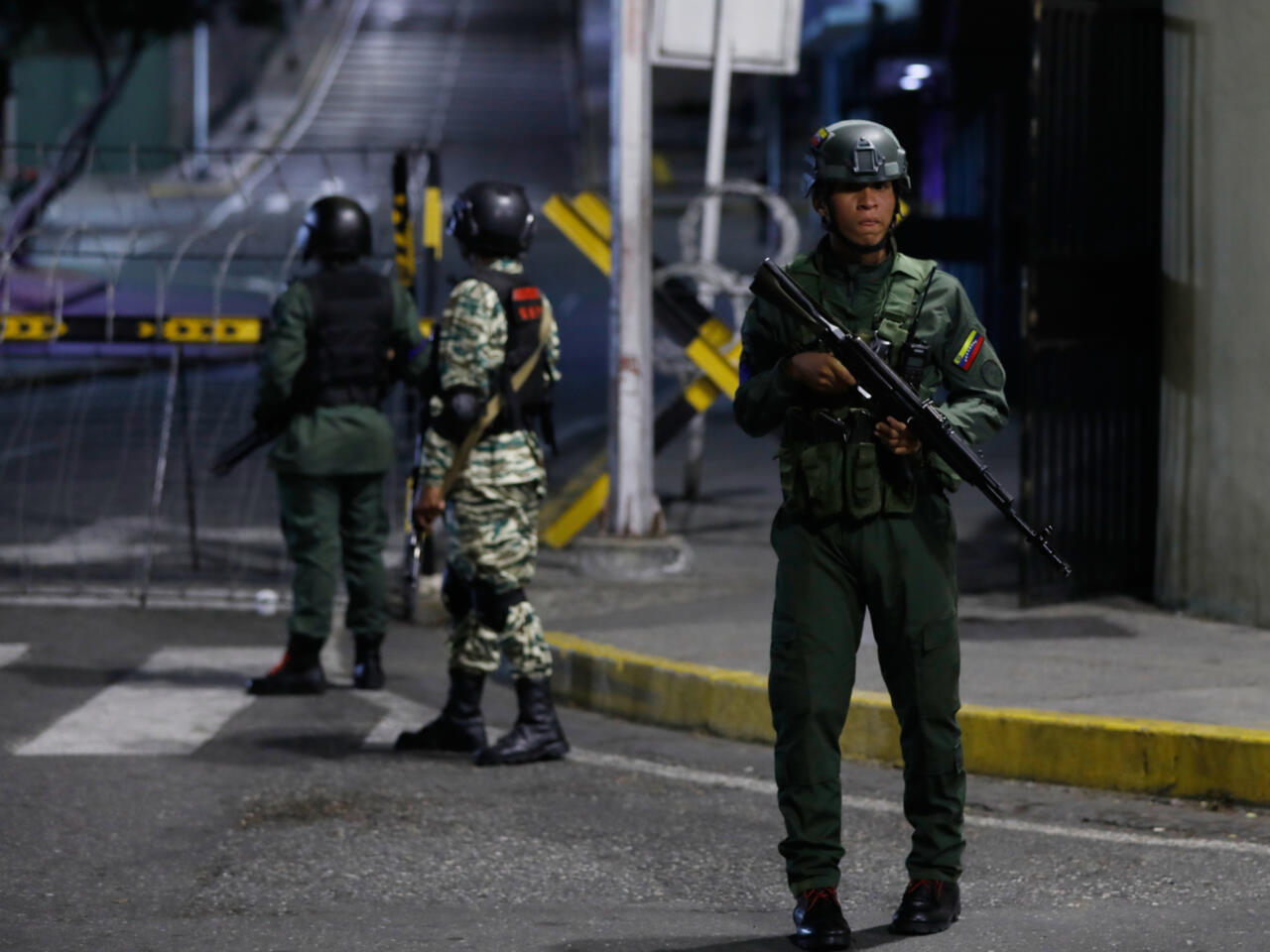
Photo: France 24
Cuba Confirms Deaths Following U.S. Military Operation
Cuba announced on Monday that 32 of its citizens were killed during a U.S. military operation in Venezuela over the weekend, an action that resulted in the arrest and extraction of Venezuelan President Nicolas Maduro to New York. According to Cuban authorities, the fatalities occurred amid intense fighting and airstrikes linked to the operation.
In an official statement released by the presidential office, Havana said the deceased were deployed on official missions for the Cuban Armed Forces and the Ministry of the Interior, operating as part of Venezuela’s security and defense infrastructure.
Havana Denounces U.S. Actions
The Cuban government strongly condemned the raid, describing the U.S. strikes as a “criminal act of aggression and state terrorism.” Officials said the country would formally honor those killed, portraying them as having died in the line of duty.
According to the statement, Cuban personnel resisted the assault until the end. Authorities said some were killed in direct combat with U.S. forces, while others died as a result of bombings targeting secured facilities linked to Venezuela’s leadership.
Details of the Raid and Maduro’s Arrest
The operation took place on Saturday after weeks of heightened U.S. military activity in the Caribbean and surrounding region. Reports indicate that a significant portion of Maduro’s personal security detail was killed during the raid, underscoring the scale and intensity of the assault.
Following Maduro’s arrest, U.S. President Donald Trump stated that Washington intended to take control of Venezuela’s governance temporarily, describing the move as necessary to ensure what he called a “safe, proper and judicious transition.”
U.S. Strategy: Military Pressure and Economic Leverage
Senior U.S. officials have framed the operation as part of a broader strategy combining military pressure with economic constraints. Secretary of State Marco Rubio said the United States plans to use leverage gained from its oil blockade and regional military buildup to force political change in Venezuela.
Speaking in separate television interviews, Rubio described the U.S. oil “quarantine” on Venezuela as a central tool of policy. He said the restrictions are designed to halt economic activity until conditions align with U.S. national interests and, in his words, the interests of the Venezuelan people.
Oil Blockade and Regional Impact
In recent months, the United States has intensified enforcement actions against Venezuela’s energy sector, including the seizure of oil tankers linked to the country. U.S. naval vessels and warplanes have also been repositioned across the Caribbean, signaling readiness to escalate pressure if needed.
Economists warn that the tightening oil blockade could further cripple Venezuela’s already fragile economy, which relies heavily on crude exports for foreign currency. The added instability risks spillover effects across the region, particularly for countries with trade or energy ties to Caracas.
Rising Regional Tensions
Cuba’s announcement adds another layer of complexity to an already volatile situation in Latin America. With Havana openly condemning Washington and honoring fallen personnel, diplomatic relations are expected to deteriorate further.
As the U.S. consolidates control following Maduro’s arrest and maintains its economic restrictions, regional governments and global markets are closely watching how the situation unfolds and what it could mean for energy flows, trade stability, and broader geopolitical alignment in the Americas.

Popular articles


Subscribe to unlock premium content
The New Wave of Superyacht Ownership
Micro-Experience Convenience Stores Are Reinventing Quick Stops

Custom Vans for Digital Nomads Redefine Mobility

The New Wave of Superyacht Ownership
Micro-Experience Convenience Stores Are Reinventing Quick Stops
The New Wave of Superyacht Ownership