Court Decision Upends U.S. Tariff Playbook, Raising New Questions for Trade and Growth

Court Decision Upends U.S. Tariff Playbook, Raising New Questions for Trade and Growth
By
Rachel Steinberg
Last updated:
February 24, 2026
First Published:
February 24, 2026

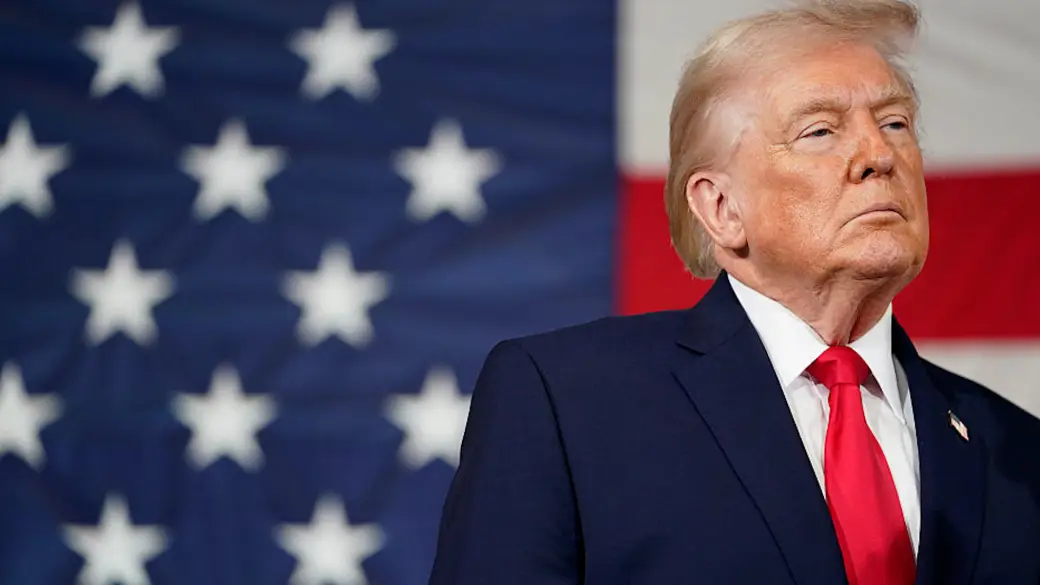
Photo: Global News
A Legal Shock With Global Ripple Effects
A landmark ruling by the Supreme Court of the United States has injected fresh uncertainty into global trade dynamics, challenging the legal foundation of sweeping tariffs introduced by Donald Trump.
In a closely watched 6–3 decision, the court determined that the administration lacked authority to impose broad duties under emergency economic powers, forcing policymakers to rethink how tariffs can be deployed going forward. Rather than easing tensions, the ruling was followed by new tariff measures of up to 15 percent on a range of trading partners, signaling that trade frictions are far from resolved.
Businesses and Governments Shift to a Defensive Stance
The abrupt policy shifts are prompting companies and foreign governments to reassess their exposure to the U.S. market. Economists say uncertainty around trade rules tends to delay investment decisions, disrupt supply chain planning, and dampen hiring.
Large multinational firms are already factoring in higher risk premiums when evaluating cross-border projects, while governments are exploring alternative trade partnerships to reduce reliance on U.S. demand. This cautious posture, analysts warn, could translate into slower capital flows and weaker trade volumes over the coming quarters.
Economic Consequences Begin to Surface
The United States, as the world’s largest consumer market, plays a central role in global commerce. Changes to its trade policy therefore ripple quickly through growth forecasts. Economists note that persistent uncertainty alone can shave tenths of a percentage point off GDP growth by discouraging expansion plans and tightening financial conditions.
Market sentiment surveys show business confidence softening as executives grapple with unpredictable tariff frameworks. Companies exposed to global supply chains—particularly in manufacturing, retail, and logistics—are among the most sensitive to policy swings.
Trade Diversion Benefits Alternative Hubs
One visible effect of escalating tensions has been a gradual redirection of trade flows. Some countries and corporations are increasing engagement with China and other regional partners as they seek stability and predictable market access.
Recent customs data showed China’s exports rising more than 6 percent year over year late last year, while imports also accelerated, reflecting stronger regional trade integration. Analysts interpret these shifts as early signs of supply chains adapting to a more fragmented global trading environment.
New Tariff Tools Keep Policy in Motion
Despite the court’s constraints, U.S. officials are exploring alternative legal avenues to maintain leverage in trade negotiations. Provisions within the Tariff Act of 1974—including sections tied to national security and unfair trade practices—could enable additional duties in the months ahead, potentially extending the timeline of trade disputes.
Some economists argue that the immediate macroeconomic impact may remain modest if effective tariff rates change only marginally. However, the broader concern lies in unpredictability, which tends to weigh on markets even when the direct cost effects are limited.
Deglobalization Pressures Build
The broader narrative emerging from the latest developments is a gradual shift toward a more fragmented global economy. As countries diversify trade relationships and companies localize production, the efficiency gains that defined decades of globalization may erode.
Over time, this trend could translate into higher costs, slower productivity growth, and more volatile inflation patterns worldwide. For the U.S., reduced integration with global markets risks weakening its competitive edge and dampening long-term growth potential.
Outlook: Uncertainty as the New Baseline
While the full economic impact will depend on how trade policies evolve, the immediate takeaway is clear: legal constraints have not eliminated tariff risks, and policy unpredictability remains elevated.
Businesses, investors, and governments are likely to operate with greater caution, building contingencies into supply chains and capital plans. In the near term, trade tensions appear set to remain a defining feature of the global economic landscape, with implications that extend well beyond tariffs themselves.
.webp)
Popular articles



Subscribe to unlock premium content
Visa and the Invisible Engine Powering Global Digital Money

Disney’s Streaming Empire Built on Regional Storytelling Power

The Slow Revolution of Steel and Memory Across Eastern Europe

Visa and the Invisible Engine Powering Global Digital Money
Disney’s Streaming Empire Built on Regional Storytelling Power
Visa and the Invisible Engine Powering Global Digital Money