Copper Prices Surge Toward New Extremes as U.S. Stockpiling Intensifies

Copper Prices Surge Toward New Extremes as U.S. Stockpiling Intensifies
By
David Goldfarb
Last updated:
December 15, 2025
First Published:
December 15, 2025

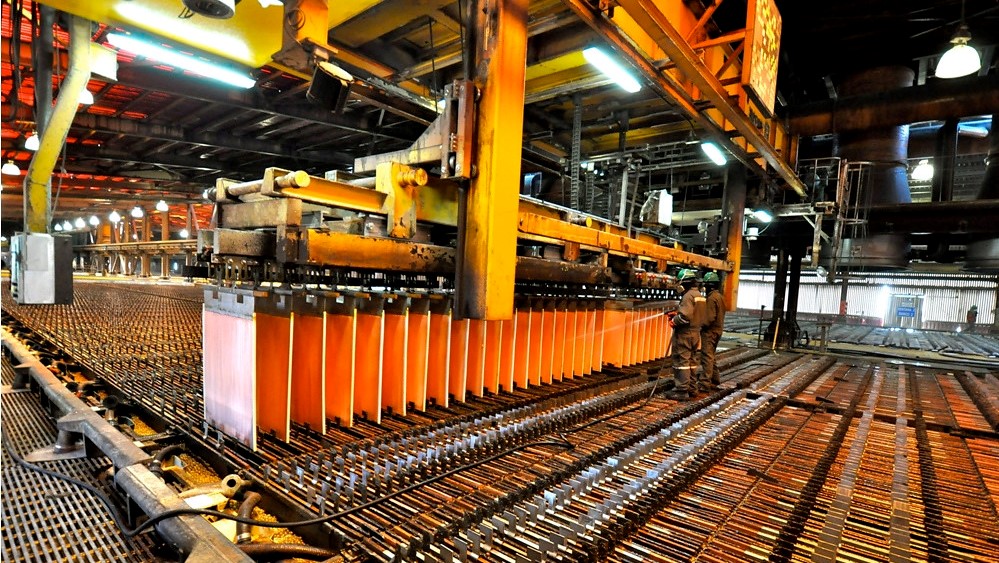
Copper Rally Enters a New Phase
Copper prices have climbed to fresh record highs, extending a rally that analysts say is being driven less by short-term speculation and more by structural forces reshaping global trade and supply chains. Market participants increasingly warn that prices could move significantly higher as hoarding activity in the United States accelerates and concerns over future tariffs distort normal trade flows.
Often referred to as “Dr. Copper” for its ability to signal the health of the global economy, the metal’s latest surge is being closely monitored by investors, manufacturers, and policymakers alike.
Tariff Anxiety Fuels Stockpiling
Industry experts point to rising trade uncertainty as a key catalyst behind the current price spike. Expectations of tougher trade policies and potential tariffs on industrial metals have prompted U.S. buyers to secure copper supplies aggressively while current pricing structures remain favorable.
This front-loading of demand has led to elevated inventories in certain regions, even as visible stocks on major exchanges remain tight. The result is a market that appears well supplied on paper but is functionally constrained, pushing prices higher as buyers compete for immediate delivery.
Analysts note that similar behavior was observed during past trade disputes, but the scale of current hoarding suggests deeper concern about long-term access and pricing stability.
Supply Constraints Add Pressure
On the supply side, copper markets remain structurally tight. Years of underinvestment in new mining projects, declining ore grades at existing operations, and permitting delays have limited the industry’s ability to respond quickly to rising demand.
Major copper-producing countries continue to face operational disruptions ranging from labor negotiations to environmental restrictions. At the same time, bringing a large-scale copper mine from discovery to production can take more than a decade, limiting the market’s flexibility in the near and medium term.
This constrained supply backdrop amplifies the impact of demand shocks, making prices more sensitive to policy changes and inventory behavior.
Demand Driven by Energy Transition
Beyond trade concerns, long-term demand fundamentals remain strong. Copper is a critical input for electric vehicles, renewable energy infrastructure, power grids, and data centers. An electric vehicle uses several times more copper than a conventional car, while solar and wind installations require extensive copper wiring and components.
As governments and corporations accelerate investment in electrification and energy transition projects, baseline copper consumption continues to rise. Analysts argue that even modest policy-driven disruptions can now have outsized effects in a market already running close to capacity.
A Barometer for the Global Economy
Copper’s price action is also being interpreted as a signal of broader economic dynamics. Historically, rising copper prices have been associated with periods of industrial expansion and infrastructure investment. The current rally suggests that despite pockets of global economic weakness, underlying demand linked to structural transformation remains resilient.
At the same time, elevated prices raise cost pressures for manufacturers, particularly in construction, electronics, and transportation. If sustained, these higher input costs could feed into broader inflation dynamics.
Outlook and Market Risks
Some market strategists warn that copper prices could move to what they describe as “stratospheric” levels if trade restrictions materialize and hoarding continues. A combination of low exchange inventories, geopolitical uncertainty, and strong structural demand creates a scenario where price spikes become more likely.
However, risks remain. A sharper-than-expected global economic slowdown or a rapid easing of trade tensions could temper demand and cool prices. For now, though, momentum remains firmly on the upside, with copper increasingly viewed as both a strategic asset and a key indicator of where the global economy is heading next.

Popular articles


Subscribe to unlock premium content
The New Wave of Superyacht Ownership

Micro-Experience Convenience Stores Are Reinventing Quick Stops

Custom Vans for Digital Nomads Redefine Mobility

The New Wave of Superyacht Ownership
Micro-Experience Convenience Stores Are Reinventing Quick Stops
The New Wave of Superyacht Ownership