Coca-Cola Names Henrique Braun as Incoming Chief Executive in Leadership Transition

Coca-Cola Names Henrique Braun as Incoming Chief Executive in Leadership Transition
By
David Goldfarb
Last updated:
December 11, 2025
First Published:
December 11, 2025

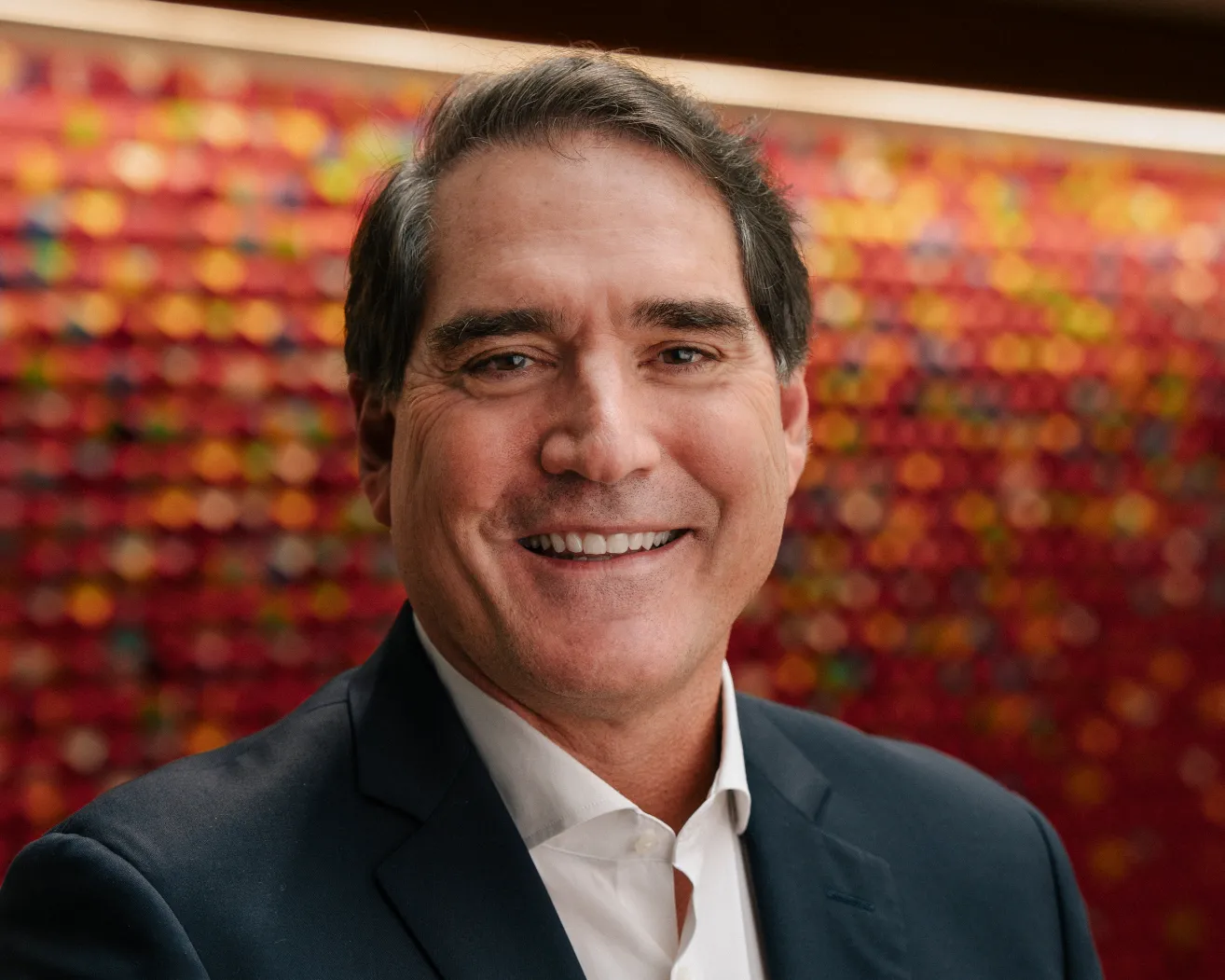
Coca Cola announced a major leadership transition that will reshape the company’s strategic direction beginning next year. Chief Operating Officer Henrique Braun has been selected to succeed James Quincey as chief executive officer, with the formal handover scheduled for March thirty first. Braun will also be nominated to join the board of directors, while Quincey will remain with the company as executive chairman, ensuring continuity during the transition period.
Quincey, who has led the Atlanta based beverage powerhouse since 2017, has overseen one of the most significant modernization phases in the company’s recent history. His tenure included the global refranchising of the bottling network, navigation through the severe disruptions of the Covid nineteen pandemic, and an aggressive reshaping of Coca Cola’s product portfolio toward beverages positioned as healthier alternatives. Under his leadership, the company reduced its reliance on traditional soda sales by expanding investments into premium hydration, dairy and energy drink categories, helping Coca Cola outperform many of its global competitors.
Henrique Braun, currently fifty seven, is a veteran of the company with nearly three decades of operational, regional and strategic experience. Since joining Coca Cola in 1996, he has held leadership roles across Latin America, Asia Pacific and North America, giving him deep insight into consumer behavior across developed and emerging markets. His appointment as COO earlier this year positioned him as the natural successor to Quincey, especially as Coca Cola focuses on global growth, operational efficiency and digital transformation.
The company said Braun will prioritize strengthening global demand, accelerating technology modernization and identifying high potential markets where the company can scale at speed. The leadership shift comes during a period where Coca Cola and its competitors face inconsistent consumer demand for carbonated soft drinks. Although soda remains a major revenue driver, unit case volume grew only one percent in the most recent quarter after declining in the prior period. Pressure from inflation has affected lower income consumers, leading Coca Cola to roll out smaller and more affordable packaging while premium brands such as Smartwater and Fairlife continue to outperform legacy soda items.
Coca Cola’s competitive positioning remains strong. The company has consistently outperformed PepsiCo in key channels, particularly in restaurants, stadiums and theaters, where Coca Cola’s out of home presence has provided an edge. Its flagship Coca Cola product remains the top selling soda in the United States, and Sprite has surpassed Pepsi to secure the third position in national rankings. These gains have strengthened investor confidence throughout the year.
Shares of Coca Cola held steady in after hours trading following the announcement. Year to date, the company’s stock has risen nearly thirteen percent, compared to a decline of more than one percent in PepsiCo’s stock. Coca Cola’s market capitalization now exceeds three hundred billion dollars, significantly higher than PepsiCo’s valuation of approximately two hundred billion dollars, reinforcing the company’s strong financial standing as it prepares for a new phase of leadership under Braun.
With the transition set for 2026, Coca Cola signals stability, continuity and a renewed focus on global expansion, product innovation and consumer centric strategy as it navigates a rapidly evolving beverage industry.

Popular articles


Subscribe to unlock premium content
Evergreen Gold

The Christmas Spending Effect

The Financial Sweet Spot

Evergreen Gold
The Christmas Spending Effect
Evergreen Gold