China’s Manufacturing Sector Defies Expectations in May Despite Signs of Broader Economic Slowdown

China’s Manufacturing Sector Defies Expectations in May Despite Signs of Broader Economic Slowdown
By
Augusta Parker
Last updated:
June 1, 2026
First Published:
June 1, 2026

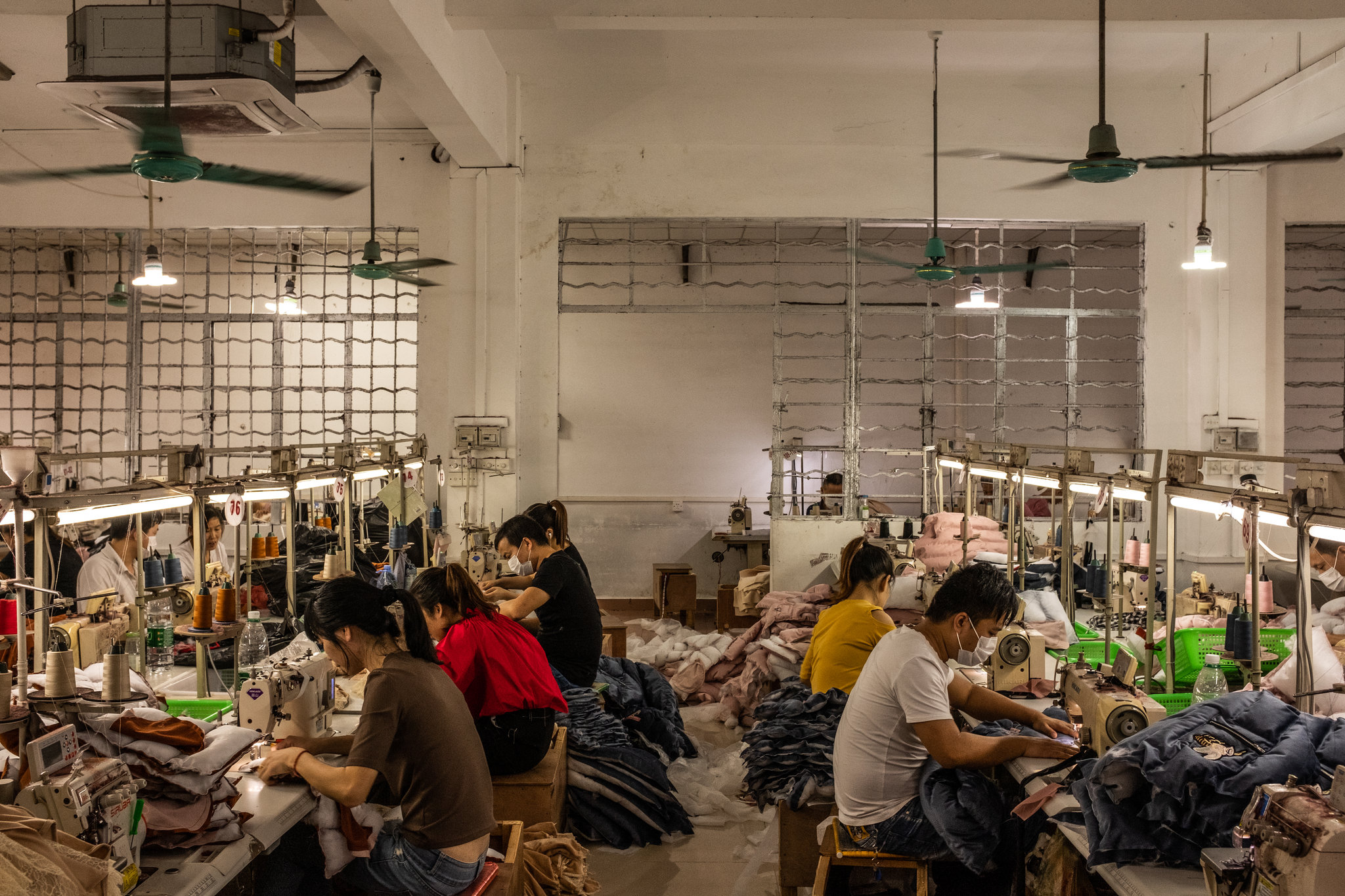
Photo: The New York Times
China’s manufacturing sector delivered a stronger-than-expected performance in May, offering a positive signal for the world’s second-largest economy even as broader indicators suggest growth remains uneven.
A closely watched private survey showed factory activity expanding at a faster pace than economists anticipated, highlighting continued resilience among manufacturers. However, the pace of growth slowed compared with April, while weaker export demand and declining employment pointed to mounting pressures facing the sector.
The latest figures present a mixed picture of China’s economic recovery, with pockets of strength in manufacturing offset by softer domestic demand and slowing momentum in other areas of the economy.
Private Manufacturing Survey Beats Forecasts
According to the latest RatingDog China General Manufacturing Purchasing Managers’ Index (PMI), manufacturing activity registered 51.8 in May, slightly ahead of market expectations of 51.6.
While the reading remained comfortably above the 50-point threshold that separates expansion from contraction, it eased from April’s 52.2, indicating that growth continued but at a slower rate.
Despite the moderation, the May reading remains among the strongest manufacturing performances recorded over the past five years, reflecting ongoing resilience within parts of China’s industrial sector.
The survey, compiled by S&P Global and supported by RatingDog, primarily tracks smaller and export-oriented manufacturers, providing a different perspective from China's official government data.
Production Growth Remains Strong
Manufacturers reported continued increases in production volumes and new orders during May, supported by improving operational efficiency and investments in production capacity.
Many firms also cited technological upgrades, automation initiatives, and new product launches as key factors supporting business activity.
China’s industrial sector has increasingly focused on advanced manufacturing, including electric vehicles, renewable energy equipment, semiconductors, artificial intelligence infrastructure, and high-end machinery, all of which continue to receive strong policy support.
These investments have helped offset weakness in some traditional industries and have become important drivers of industrial growth.
Export Orders Show Signs of Weakness
One area of concern in the report was international demand.
New export orders declined slightly during May, signaling that overseas demand remains under pressure amid ongoing global economic uncertainty.
Manufacturers continue to face challenges from slowing growth in major export markets, elevated geopolitical tensions, shifting supply chains, and cautious consumer spending across several developed economies.
Although exports remain a critical pillar of China's manufacturing sector, recent months have shown increasing volatility as companies adapt to changing global trade conditions.
The softer export data suggests that external demand may not provide the same level of support to economic growth as it did during previous recovery periods.
Employment Continues to Face Pressure
The survey also revealed a modest decline in manufacturing employment.
While the contraction was relatively small, it reflects a broader trend in which companies remain cautious about expanding payrolls despite improving production activity.
Many manufacturers are prioritizing productivity improvements and automation investments rather than large-scale hiring, allowing them to increase output while controlling labor costs.
Employment remains one of the key areas policymakers are monitoring closely, particularly as China's youth unemployment challenges and slowing consumer confidence continue to attract attention.
Input Costs Ease for the First Time in Six Months
Manufacturers received some relief on the cost front during May.
Input prices declined compared with the previous month, marking the first drop in factory costs in six months.
The easing was driven by lower prices for certain industrial inputs, helping reduce cost pressures that have weighed on manufacturers throughout recent quarters.
However, businesses still reported elevated expenses linked to raw materials, energy costs, and occasional supply chain disruptions.
While inflationary pressures have moderated, many companies continue to operate in a challenging pricing environment where profit margins remain under scrutiny.
Businesses Remain Optimistic About the Future
Despite current challenges, manufacturers expressed confidence about the outlook for the coming year.
Business sentiment remained positive, supported by expectations of stronger production capacity, technological innovation, product development initiatives, and improving market opportunities.
Many firms believe China's continued investment in advanced manufacturing, industrial modernization, and high-tech industries will create new growth opportunities over the next 12 months.
This optimism reflects confidence that long-term structural trends can help support manufacturing growth even if short-term demand conditions remain uneven.
Official Data Paints a More Cautious Picture
While the private survey exceeded expectations, China's official manufacturing PMI released a day earlier suggested a more subdued outlook.
The official index edged down to 50.0 in May from 50.3 in April, matching market forecasts and marking its weakest reading since February.
Unlike the private survey, the official PMI covers a much broader range of companies, including large state-owned enterprises and domestic-focused manufacturers.
The divergence between the two reports highlights the uneven nature of China's industrial recovery, with some sectors showing resilience while others continue to struggle with weaker demand.
Analysts noted that the official data points to slower manufacturing growth, stronger activity in parts of the services sector, and ongoing weakness within the construction industry.
China’s Broader Economy Still Faces Mixed Signals
The manufacturing data arrives as China's economic recovery continues to show significant variation across sectors.
Consumer spending has remained inconsistent, with retail sales growth recently slowing to one of its weakest levels in more than three years. At the same time, domestic travel and tourism activity strengthened during the extended May holiday period, providing support for service-related industries.
Tourism data showed rising travel demand across the country, with many smaller cities benefiting from increased visitor activity. Hotel operators reported strong occupancy rates in several regional destinations, reflecting a shift toward more affordable travel options among consumers.
This trend suggests that while households remain willing to spend on experiences and leisure activities, broader consumption growth remains cautious amid economic uncertainty.
Outlook for the Months Ahead
China's manufacturing sector continues to demonstrate resilience, but the latest data highlights an economy that is still navigating multiple headwinds.
Stronger-than-expected factory activity provides encouragement for policymakers and investors, yet softer export orders, weaker hiring trends, and mixed official data indicate that challenges remain.
The coming months will likely depend on the strength of domestic demand, the trajectory of global trade, additional economic support measures, and the ability of manufacturers to maintain growth amid evolving market conditions.
For now, China's factories remain in expansion territory, but the pace of growth suggests the recovery is progressing steadily rather than accelerating rapidly.
.webp)
Popular articles



Subscribe to unlock premium content
The Future of Urban Luxury Driving

Micro-Experience Convenience Stores Are Reinventing Quick Stops

Immortalizing Life in the Ultimate Luxury

The Future of Urban Luxury Driving
Micro-Experience Convenience Stores Are Reinventing Quick Stops
The Future of Urban Luxury Driving