China’s Inflation Recovery Loses Steam as Factory-Gate Prices Remain in Deflation

China’s Inflation Recovery Loses Steam as Factory-Gate Prices Remain in Deflation
By
Augusta Parker
Last updated:
February 11, 2026
First Published:
February 11, 2026

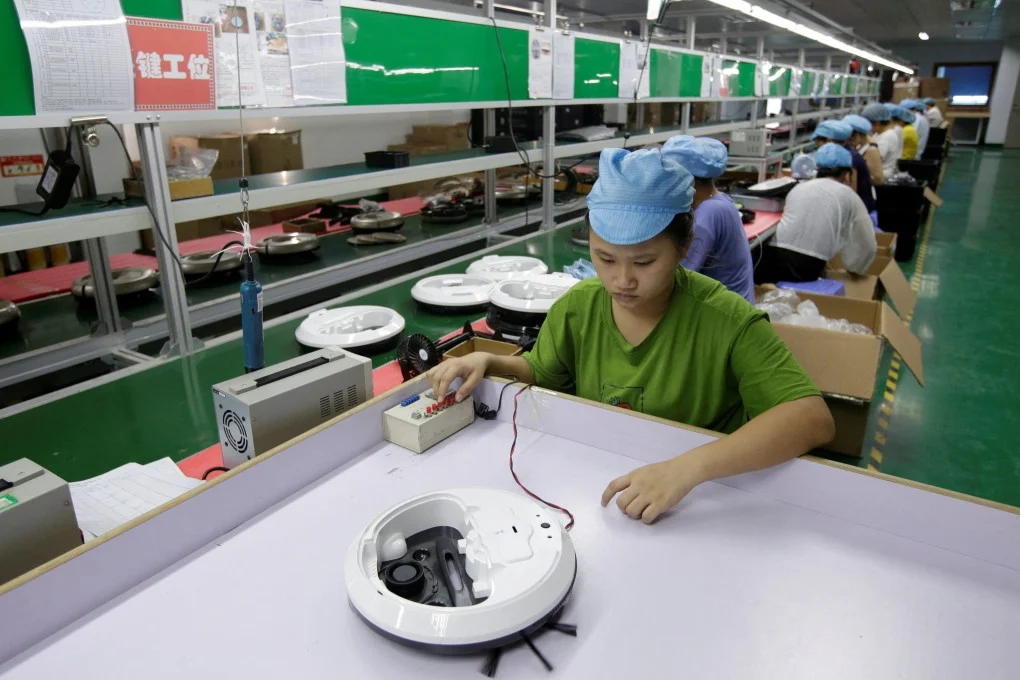
Photo: South China Morning Post
China’s latest inflation data underscores the fragile state of domestic demand in the world’s second-largest economy. While consumer prices edged higher in January, the increase fell short of expectations, and producer prices remained firmly in deflation territory — extending a streak that has now lasted more than three years.
According to data released by the National Bureau of Statistics, China’s consumer price index rose 0.2% year over year in January. Economists had anticipated a 0.4% increase. The reading also marked a sharp slowdown from December’s 0.8% rise, which had been the strongest annual gain in nearly three years.
On a month-to-month basis, consumer prices increased 0.2%, slightly below forecasts of a 0.3% rise. Core inflation, which strips out volatile food and energy prices, climbed 0.8% compared to a year earlier — easing from December’s 1.2% pace. The moderation suggests that underlying demand pressures remain subdued despite seasonal spending patterns.
Producer Price Deflation Extends Into Fourth Year
The more persistent concern lies at the factory level. China’s producer price index declined 1.4% from a year earlier in January. Although the drop was slightly less severe than the 1.5% decline economists had expected and improved from December’s 1.9% fall, it still marked over three consecutive years of producer deflation.
On a monthly basis, producer prices rose 0.4%, improving for the fourth straight month. Analysts attribute part of the sequential uptick to surging global gold prices and modest stabilization in commodity inputs. However, the broader trend continues to reflect overcapacity across key industrial sectors, including steel, chemicals, and manufacturing equipment.
Persistent factory-gate deflation has squeezed corporate margins, particularly for exporters and heavy industry manufacturers. Many firms have faced pricing pressure amid weak domestic consumption, intensified global competition, and lingering effects of trade tensions with the United States.
Holiday Distortions Complicate the Data
Several economists cautioned that January’s figures may not fully reflect underlying trends due to the shifting timing of the Lunar New Year. Last year’s holiday fell in January, boosting seasonal consumption and service-sector prices. This year, it lands in mid-February.
The calendar mismatch likely distorted year-over-year comparisons, especially in categories such as travel, dining, and retail goods. Analysts suggest combining January and February data to gain a clearer view of demand momentum.
Still, even accounting for seasonal factors, the broader narrative remains consistent: inflationary pressure is modest, and demand recovery is uneven.
Structural Pressures Weigh on Growth
China’s economy expanded 5% in 2025, meeting the government’s official target. Export resilience — particularly shipments to Southeast Asia, Latin America, and Europe — played a crucial role in supporting growth. However, domestic headwinds persist.
The prolonged property downturn continues to dampen household wealth and confidence. Real estate once accounted for roughly 25% to 30% of China’s GDP when related sectors are included. The sector’s contraction has rippled through local government finances and consumer sentiment.
At the same time, youth unemployment remains elevated, and wage growth has softened. These factors have contributed to cautious household spending behavior, limiting the rebound in retail sales and services consumption.
Authorities have also been attempting to curb aggressive price competition across industries. Overcapacity in sectors such as electric vehicles, solar panels, and traditional manufacturing has triggered price wars, intensifying deflationary forces.
Fiscal and Debt Dynamics Under Scrutiny
The deflationary environment has had significant fiscal implications. China’s fiscal revenue-to-GDP ratio has fallen by nearly 5 percentage points since 2021, declining to 17.2%. Meanwhile, public debt has risen sharply. The country’s public debt-to-GDP ratio has expanded by approximately 40 percentage points since 2019, reaching 116% in 2025.
Although this remains below the U.S. federal debt-to-GDP ratio of roughly 124%, the pace of debt accumulation has sparked debate among economists over the sustainability of further large-scale stimulus.
Some analysts argue that policymakers favor investment-driven growth — particularly infrastructure and advanced manufacturing — over direct consumption stimulus. Large-scale consumer handouts are often viewed as temporary boosts that add to fiscal burdens without delivering lasting structural gains.
Monetary Policy Set to Loosen Further
The People’s Bank of China has reiterated its commitment to implementing “appropriately loose” monetary policy. This signals potential interest rate cuts, further reductions in banks’ reserve requirement ratios, and expanded liquidity support for strategic sectors.
The central bank has emphasized the goal of guiding prices toward a “reasonable recovery,” a phrase widely interpreted as an effort to prevent entrenched deflation without triggering excessive leverage.
Market participants are closely watching next month’s parliamentary meetings, where top leaders are expected to unveil official growth and inflation targets for the year. Investors anticipate a GDP target near 5%, alongside expanded fiscal support measures.
What It Means for Markets and Global Trade
China’s subdued inflation has global implications. Weak domestic demand can limit import growth, affecting commodity exporters from Australia to Brazil. At the same time, persistent producer price deflation may encourage Chinese firms to increase exports at competitive prices, influencing global manufacturing and supply chains.
For investors, the data reinforces the narrative of a gradual, policy-supported recovery rather than a sharp rebound. Equity markets tied to Chinese consumption, property, and industrial output remain sensitive to signs of stimulus acceleration.
Ultimately, January’s inflation figures highlight a delicate balancing act. Policymakers must revive consumer confidence and stabilize the property sector while managing debt levels and avoiding financial instability. As the year unfolds, the trajectory of both consumer and producer prices will serve as a critical barometer of whether China can successfully transition from deflationary pressure toward sustainable economic momentum.
.webp)
Popular articles



Subscribe to unlock premium content
Zara’s Hyper-Fast Fashion Supply Chain Is Changing Global Retail

The Rise of Apple Stores as Experiential Brand Centers Worldwide

Boutique Eco-Lodges in Costa Rica Redefining Ultra-Luxury Travel

Zara’s Hyper-Fast Fashion Supply Chain Is Changing Global Retail
The Rise of Apple Stores as Experiential Brand Centers Worldwide
Zara’s Hyper-Fast Fashion Supply Chain Is Changing Global Retail