
China’s AI Race Hits Capital Markets as Zhipu Becomes First Major LLM Startup to List

China’s AI Race Hits Capital Markets as Zhipu Becomes First Major LLM Startup to List
By
David Goldfarb
Last updated:
January 8, 2026
First Published:
April 25, 2026

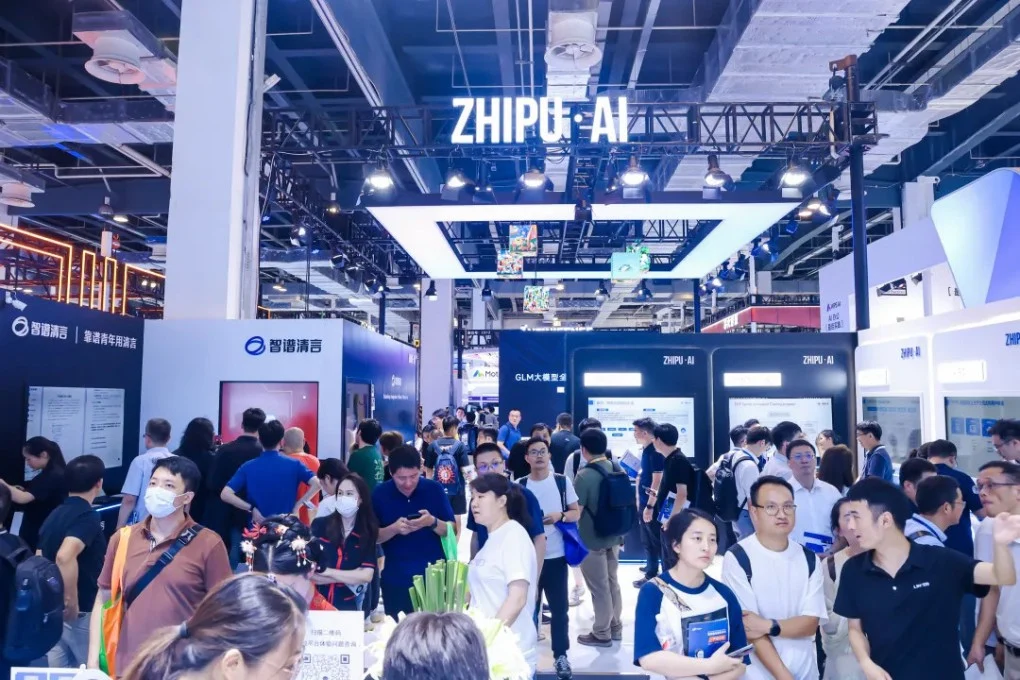
Photo: South China Morning Post
A Landmark IPO for China’s AI Sector
Shares of Knowledge Atlas Technology JSC, widely known as Zhipu, rose sharply in their Hong Kong trading debut, signaling strong investor appetite for China’s next generation of artificial intelligence companies. The Beijing-based startup raised approximately $558 million in its initial public offering, becoming the first of China’s so-called “AI tigers” to go public.
The stock climbed about 10% above its offer price of HK$116.20 in early trading, with roughly 37.4 million shares sold in the listing. The IPO valued the company at close to HK$4.3 billion, placing it among the most significant AI flotations to emerge from Asia in recent years.
From Research Lab to Public Markets
Founded in 2019 by researchers from one of China’s leading universities, Zhipu has grown rapidly into the country’s first major large language model developer to access public capital markets. Its listing follows a wave of IPOs by Chinese AI chipmakers and signals growing confidence in the commercialization of advanced AI technologies despite geopolitical and regulatory headwinds.
Zhipu is widely regarded as a core member of China’s “AI tiger” cohort, a group of startups building general-purpose large language models intended to compete with U.S. leaders such as OpenAI and Anthropic. Other companies in this group include DeepSeek, which drew global attention last year after releasing a model that disrupted market expectations.
Growing Recognition on the Global Stage
Although Zhipu remains less visible internationally than some peers, it gained significant recognition in 2024 when OpenAI publicly identified the firm as a serious competitor on the front line of China’s AI development push. This acknowledgment helped elevate Zhipu’s profile among global investors and technology analysts.
The company has expanded its international footprint, with reported offices in the United Kingdom, Singapore, Malaysia, and several Middle Eastern markets. It has also established joint innovation centers across Southeast Asia, including partnerships in Indonesia and Vietnam, reflecting a strategy focused on overseas collaboration and market access.
Operating Under U.S. Restrictions
Zhipu’s rise has not been without challenges. In early 2024, the company was added to the U.S. Commerce Department’s Entity List after U.S. officials alleged links to China’s military. The designation has limited Zhipu’s access to advanced semiconductor chips and certain AI-related technologies, creating constraints on model training and scaling.
Despite these restrictions, the firm has continued to develop its models by optimizing domestic supply chains and leveraging alternative computing resources, highlighting the resilience of China’s AI ecosystem under increasing external pressure.
Financials and Use of Proceeds
According to its prospectus, Zhipu plans to allocate approximately 70% of its IPO proceeds toward research and development of its general-purpose AI models. The remaining funds are expected to support infrastructure expansion, talent acquisition, and overseas operations.
The company reported revenue of 312.4 million yuan in 2024, reflecting early-stage commercialization as it continues to prioritize technological advancement over near-term profitability.
What Comes Next for China’s AI Tigers
Zhipu’s successful listing may open the door for more Chinese AI startups to tap public markets. Rival firm MiniMax is expected to launch its own IPO shortly after submitting a confidential filing last year, potentially reinforcing Hong Kong’s role as a key fundraising hub for China’s AI sector.
As competition between China and the United States intensifies in artificial intelligence, Zhipu’s debut stands as a clear signal that Chinese AI developers are moving beyond the lab and into global capital markets, even as regulatory and geopolitical tensions continue to shape the industry’s future.
.webp)
Popular articles



Subscribe to unlock premium content
How Finland Uses Ice Swimming Festivals to Boost Winter Tourism and Local Economies

The Boom of Luxury Personal Libraries Renting Rare Books to the Ultra-Wealthy

Why Bhutan’s Hand-Woven Textiles Are Gaining Global Collector Value

How Finland Uses Ice Swimming Festivals to Boost Winter Tourism and Local Economies
The Boom of Luxury Personal Libraries Renting Rare Books to the Ultra-Wealthy
How Finland Uses Ice Swimming Festivals to Boost Winter Tourism and Local Economies


