China Condemns UK Visa Expansion for Hong Kong Residents After Jimmy Lai Sentencing

China Condemns UK Visa Expansion for Hong Kong Residents After Jimmy Lai Sentencing
By
Alina Sinclair
Last updated:
February 10, 2026
First Published:
February 10, 2026


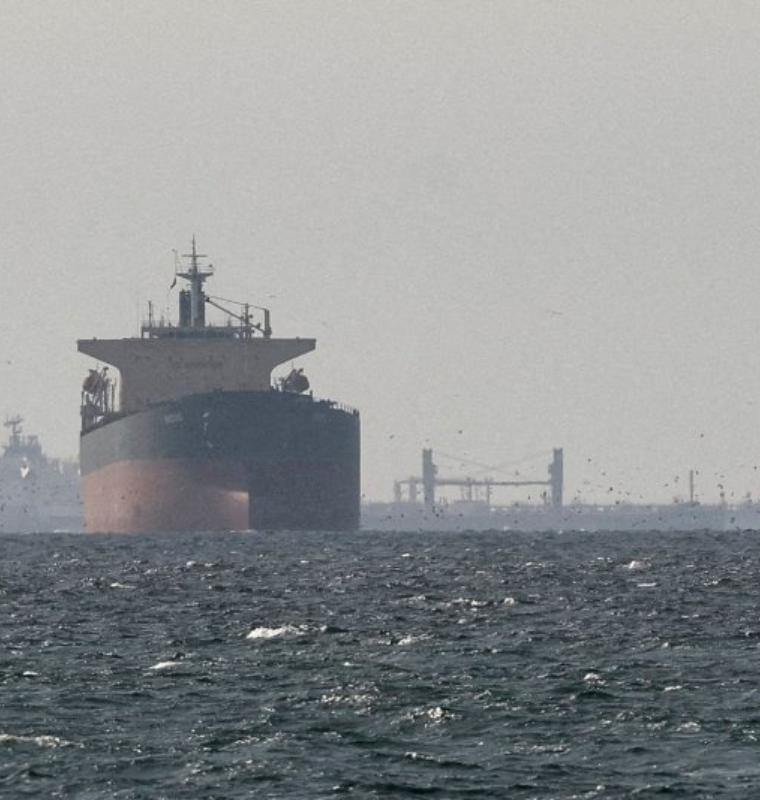
Photo: The Guardian
UK Expands Hong Kong Visa Route
The United Kingdom has announced a further expansion of its British National Overseas (BNO) visa scheme, allowing more Hong Kong residents to relocate to Britain, a move that has triggered sharp criticism from Beijing.
Under the updated rules, children of BNO status holders who were under the age of 18 at the time of Hong Kong’s handover from British to Chinese rule in June 1997 will now be able to apply for the visa independently, without having to move at the same time as their parents. British officials say the change is designed to close gaps in the existing system and offer protection to families affected by political developments in the city.
The UK government estimates that around 26,000 additional people could arrive through the expanded route over the next five years, adding to what is already one of the largest migration programs launched in response to political change overseas.
Beijing Reacts With Strong Language
China’s embassy in London responded forcefully, accusing the UK of interfering in China’s internal affairs and using migration policy as a political tool.
In a statement issued on Tuesday, an embassy spokesperson described the visa expansion as “despicable” and “reprehensible,” arguing that the BNO scheme has encouraged Hong Kong residents to leave their homes only to face hardship and discrimination in the UK. The spokesperson claimed that migrants were being misled and treated as second-class citizens once they arrived.
China reiterated its long-standing position that it firmly opposes what it sees as British manipulation of Hong Kong-related issues and rejected any foreign criticism of its legal and political system.
Roots of the Diplomatic Dispute
The latest diplomatic clash follows the sentencing of pro-democracy media tycoon Jimmy Lai, one of Hong Kong’s most high-profile critics of Beijing. A Hong Kong court sentenced Lai to 20 years in prison under the Beijing-imposed national security law, marking the harshest penalty yet under the legislation since it came into force in 2020.
Lai, 78, is the founder of the now-defunct Apple Daily newspaper, which was once one of Hong Kong’s most widely read pro-democracy publications. He was arrested in August 2020 and later charged with conspiring to collude with foreign forces and publishing seditious materials. Lai has pleaded not guilty to all charges.
His conviction has been widely viewed by international observers as a symbol of the shrinking space for dissent in Hong Kong.
Scale of the BNO Visa Program
The BNO visa scheme was introduced in early 2021 after China enacted the national security law, which criminalized acts broadly defined as secession, subversion, terrorism, and collusion with foreign forces.
Since its launch, more than 230,000 visas have been granted to Hong Kong residents and their dependents. Of those, nearly 170,000 people are estimated to have already relocated to the UK, making Hong Kong one of the largest sources of recent migration into Britain.
The visa allows holders to live, work, and study in the UK, with a pathway to permanent residency and eventual citizenship after several years.
UK Government Position
British officials have repeatedly argued that the visa scheme is a moral and historical responsibility stemming from the UK’s former role as Hong Kong’s colonial ruler. The government says the expansion reflects a continued deterioration of rights and freedoms in the territory, including restrictions on media, civil society, and political opposition.
In a statement following Lai’s sentencing, the UK government said the national security law has effectively criminalized dissent and accelerated the departure of residents who no longer feel safe expressing their views. It added that London would continue to engage with Beijing on Lai’s case and broader human rights concerns.
Prime Minister Keir Starmer raised the issue directly with Chinese President Xi Jinping during a recent visit to Beijing, calling for Lai’s release. However, critics and members of Lai’s family have argued that the UK’s response has so far lacked concrete measures beyond diplomatic statements.
Hong Kong and International Responses
Hong Kong’s Chief Executive John Lee defended the court’s decision, stating that Lai deserved the sentence due to the damage he allegedly caused to society. Lee accused Lai of using Apple Daily to influence public opinion against the government and of seeking foreign sanctions and hostile actions against China and Hong Kong.
International reaction has been swift. Several Western governments and human rights groups have renewed calls for Lai’s release, warning that the case undermines confidence in Hong Kong’s legal independence. US Secretary of State Marco Rubio described the ruling as unjust and tragic and urged authorities to consider humanitarian parole given Lai’s age and health.
Broader Implications
The dispute over the BNO visa expansion highlights the widening gap between China and the UK over Hong Kong’s future. For Britain, the program is framed as a humanitarian and legal obligation. For Beijing, it is seen as an attempt to undermine sovereignty and encourage a brain drain from the city.
As migration from Hong Kong continues and legal cases like Jimmy Lai’s draw global attention, tensions between London and Beijing are likely to remain elevated, with long-term implications for diplomacy, trade relations, and the economic ties between the two countries.
.webp)
Popular articles



Subscribe to unlock premium content
Zara’s Hyper-Fast Fashion Supply Chain Is Changing Global Retail
The Rise of Apple Stores as Experiential Brand Centers Worldwide

Boutique Eco-Lodges in Costa Rica Redefining Ultra-Luxury Travel

Zara’s Hyper-Fast Fashion Supply Chain Is Changing Global Retail
The Rise of Apple Stores as Experiential Brand Centers Worldwide
Zara’s Hyper-Fast Fashion Supply Chain Is Changing Global Retail