Cuba Halts Aircraft Refueling as U.S. Pressure Tightens and Fuel Crisis Deepens

Cuba Halts Aircraft Refueling as U.S. Pressure Tightens and Fuel Crisis Deepens
By
Leah Rosenfeld
Last updated:
February 10, 2026
First Published:
February 10, 2026

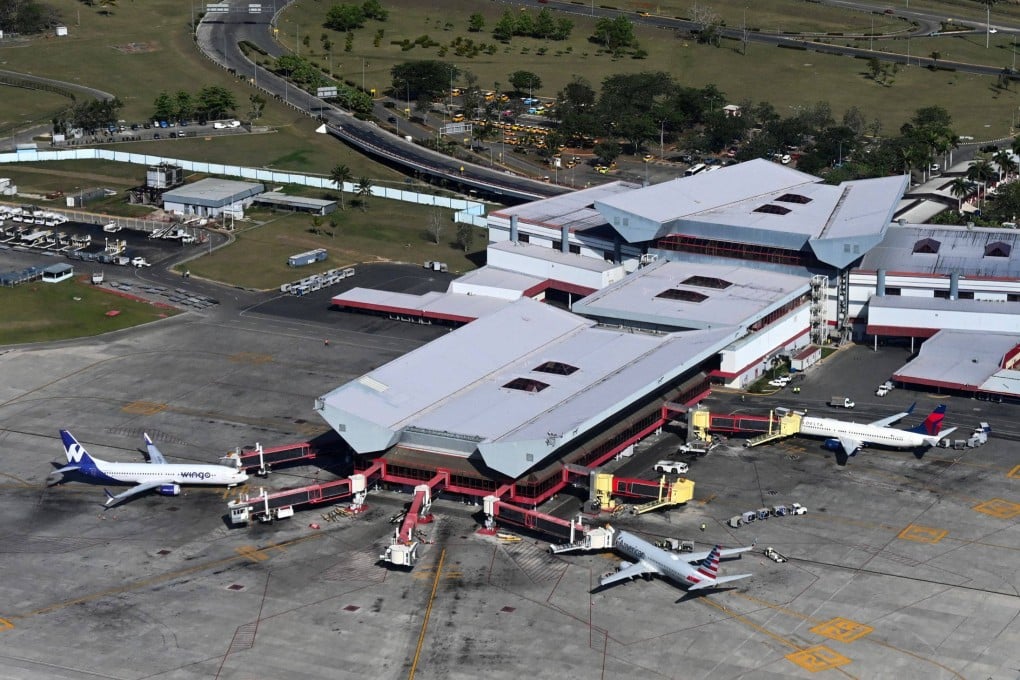
Photo: South China Morning Post
Airlines cut off from fuel as shortages hit critical levels
Cuba has announced that international airlines will no longer be able to refuel in the country, as the island grapples with a severe aviation fuel shortage that officials say will begin to bite immediately. The decision affects all international airports and is expected to disrupt flight operations for at least the next month.
According to officials cited by EFE News Agency, Cuba is set to exhaust its available jet fuel supplies from Monday, forcing airlines to arrive with enough fuel to depart or cancel services altogether. The move eliminates a key source of foreign currency revenue for the cash-strapped government, which has long relied on aviation services and tourism-related activity to stabilize its finances.
U.S. tariff threats intensify pressure on oil supplies
The worsening fuel crisis follows renewed pressure from the United States, after President Donald Trump warned that Washington may impose tariffs on any country supplying oil to Cuba, whether directly or indirectly. The warning has had an immediate chilling effect on shipments of crude and refined products to the island.
In a late-January executive order, Trump declared Cuba an “unusual and extraordinary threat,” triggering a national emergency designation. The order cited Havana’s alliances with China, Russia, and Iran, as well as its human rights record and communist leadership, as factors destabilizing the region through migration and security risks.
Since early January, U.S. policy toward Cuba has hardened significantly, adding to an already decades-long economic blockade that limits Cuba’s access to international financing, trade, and energy markets.
Energy crisis forces rationing and shutdowns
Cuba’s government has acknowledged that the energy situation has reached a critical stage. Last week, authorities unveiled a sweeping emergency plan aimed at preserving fuel for essential services such as hospitals, food distribution, and electricity generation.
The measures include tighter fuel rationing, reduced operating hours for state-owned enterprises, a shortened four-day workweek from Monday to Thursday, and the temporary closure of some tourism facilities. School days are also being shortened to reduce electricity and fuel consumption.
Cuba’s property and transport sectors, already strained by years of underinvestment and sanctions, are expected to feel the impact most acutely.
Russia warns situation is “truly critical”
Russia, one of Cuba’s closest geopolitical allies and a key energy partner, publicly acknowledged the severity of the crisis. Kremlin spokesperson Dmitry Peskov said Havana’s fuel situation is “truly critical,” adding that U.S. pressure is creating serious economic and logistical challenges for the island.
Moscow said it remains in close diplomatic contact with Cuban officials, although it has not announced any immediate increase in fuel shipments. Russia itself faces supply and logistical constraints amid ongoing global energy market disruptions and geopolitical tensions.
Havana condemns U.S. policy as coercion
Cuban Foreign Minister Bruno Rodríguez Parrilla has strongly criticized Washington’s approach, accusing the U.S. of using “blackmail and coercion” to force other nations into compliance with its Cuba policy.
In a statement issued in late January, Rodríguez said the tariff threats were designed to expand what he called a “universally condemned blockade,” warning that the measures would directly harm ordinary Cubans rather than the country’s political leadership.
Cuba argues that its economic crisis is being exacerbated by external pressure at a time when tourism revenue remains below pre-pandemic levels and inflation continues to strain household incomes.
Mexico pauses oil shipments but signals humanitarian support
Mexico, which had been supplying Cuba with crude oil and refined fuel products, recently paused shipments amid mounting pressure from the Trump administration. The halt has further tightened supply lines to the Caribbean island.
Mexican President Claudia Sheinbaum said her government is working to find a diplomatic path to resume energy cooperation while also preparing humanitarian aid shipments to Cuba. The aid is expected to include essential goods and may begin arriving as early as this week.
Economic fallout likely to grow
Before its prolonged downturn, tourism and aviation-related services accounted for a meaningful share of Cuba’s foreign exchange earnings. The loss of aircraft refueling revenue, combined with reduced tourist capacity and fuel rationing, is likely to deepen the country’s economic contraction in 2026.
With limited access to international credit markets, shrinking oil imports, and tightening U.S. enforcement, Cuba faces an increasingly fragile outlook—one that now threatens not only domestic energy security, but also its role as a regional air travel hub.
.webp)
Popular articles



Subscribe to unlock premium content
Soaring Above Luxury

A Taste of Italy Redefined

Designing the World, One Market at a Time

Soaring Above Luxury
A Taste of Italy Redefined
Soaring Above Luxury