BlackRock Sees AI Infrastructure Boom as Long-Term Gold Rush for “Picks and Shovels” Players

BlackRock Sees AI Infrastructure Boom as Long-Term Gold Rush for “Picks and Shovels” Players
By
Leah Rosenfeld
Last updated:
December 9, 2025
First Published:
December 9, 2025


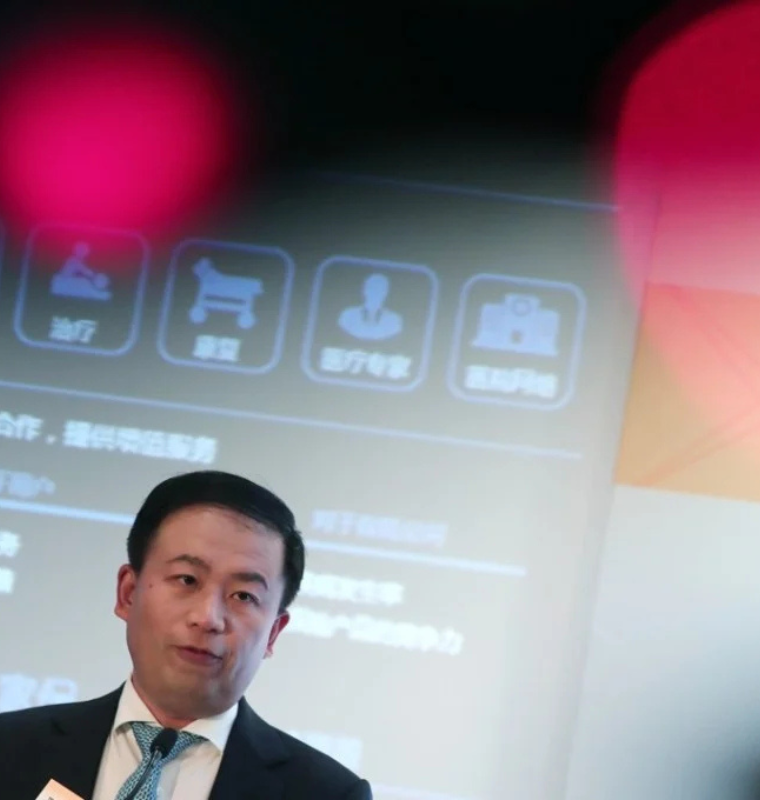
Ben Powell, chief strategist for Middle East and Asia Pacific at BlackRock Investment Institute, at the Abu Dhabi Finance Week (ADFW) conference.
Bloomberg | Getty Images
Why BlackRock Is Doubling Down on AI Infrastructure
According to BlackRock’s Asia-Pacific investment strategist Ben Powell, the frenzy of spending on artificial intelligence infrastructure is far from fading — in fact, he believes it’s only beginning. With global tech behemoths racing to build data centers, secure computing chips, and lock down electricity supply, BlackRock says the true winners are not necessarily the model developers, but the firms supplying the hardware, energy, and essential materials that power the AI boom.
Powell described the ongoing wave as a “picks and shovels capex super boom,” drawing parallels to historical gold rushes where fortune favored those selling the tools — not the miners themselves. He emphasized that capital expenditure in AI infrastructure remains “very, very clear,” indicating that the surge in investment shows little sign of slowing.
Where the Money Is Going: Chips, Power, and Wiring the Future
The race for dominance in AI is triggering a vast build-out across multiple fronts:
- Data-center construction is accelerating worldwide, as companies scramble to establish capacity for AI workloads.
- Demand for high-end chips — especially GPUs designed for machine learning — continues to soar, pushing semiconductor firms into overdrive.
- Energy providers and grid operators are being pressed to guarantee reliable, large-scale power as new facilities demand unprecedented electricity consumption.
- Suppliers of copper wiring and raw materials essential for data centers and infrastructure are seeing rising demand, with the supply chain stretched across continents.
In many ways, the infrastructure needed to sustain AI — compute, power, connectivity — may prove more lucrative and stable over time than the AI models themselves.
Tech Giants Are Just Getting Started with Financing
Powell noted that many leading technology firms have only recently begun tapping into credit markets to bankroll the next wave of their AI expansion. This suggests that we’re still early in the funding cycle, and that major new investments — both in debt and equity — could be on the horizon.
As companies behave with urgency, treating second place as a long-term disadvantage, spending rhythms may accelerate and budgets could swell further. That emphasis on speed and scale, Powell argues, is why firms involved in supply — whether manufacturing chips or wiring infrastructure — are well-positioned for long-term gains.
Infrastructure Over Algorithms: A Shift in Investor Focus
This changing dynamic has reshaped how some major investors evaluate the AI boom. Rather than zeroing in on the companies building or selling AI models, a growing number see hardware, energy, and infrastructure firms as the “real” backbone of sustainable value.
Powell believes that as AI demand grows, the companies powering that growth — from chipmakers to energy and wiring providers — are likely to deliver “positive surprises” in performance, potentially outperforming even the high-flying tech names.
For investors watching the market, the message is clear: betting on the tools that build, power, and sustain the AI ecosystem might be the smarter, more durable play.
.webp)
Popular articles



Subscribe to unlock premium content
The Rise of Micro-Cruises Offering Boutique Cultural Experiences in the Mediterranean

Iceland’s Adventure Lodges Are Redefining Remote Work

Inside London’s Private Wealth Advisory Firms Catering to Millennial Investors

The Rise of Micro-Cruises Offering Boutique Cultural Experiences in the Mediterranean
Iceland’s Adventure Lodges Are Redefining Remote Work
The Rise of Micro-Cruises Offering Boutique Cultural Experiences in the Mediterranean