Bipartisan Lawmakers Demand Answers on Chinese Auto Firms as DOJ Report Remains Missing

Bipartisan Lawmakers Demand Answers on Chinese Auto Firms as DOJ Report Remains Missing
By
David Goldfarb
Last updated:
June 4, 2026
First Published:
June 4, 2026

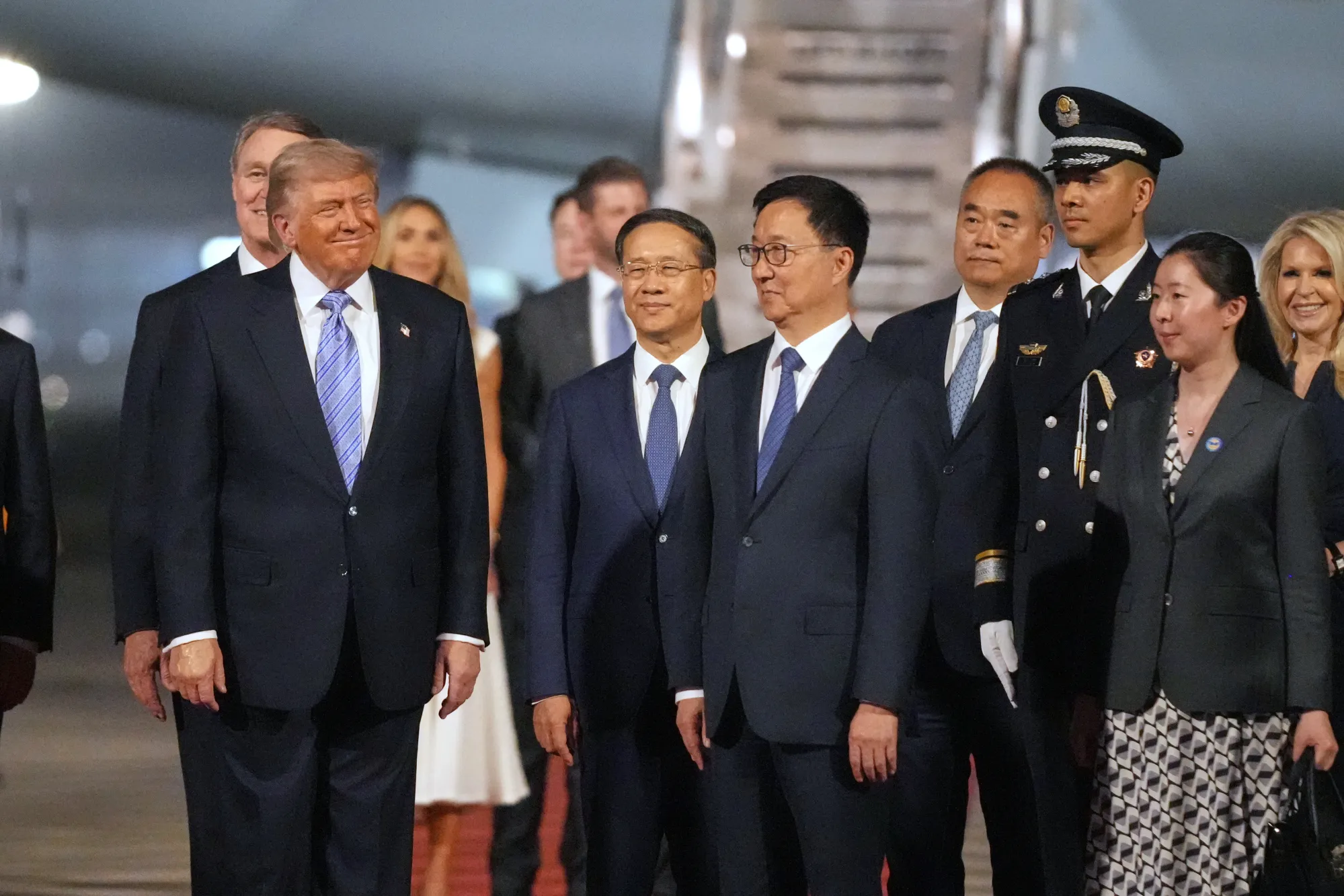
Photo: The Hill
A bipartisan group of U.S. lawmakers is increasing pressure on the Department of Justice to release a long-awaited report examining alleged illegal labor practices tied to Chinese-linked companies operating within America’s automotive supply chain.
Led by Representative Ro Khanna, the ranking member of the House Select Committee on China, lawmakers are seeking answers from acting Attorney General Todd Blanche regarding an overdue congressional report that was mandated earlier this year. The issue has become a focal point in Washington as concerns grow over labor standards, national competitiveness, supply chain security, and the expanding footprint of Chinese manufacturers in the United States.
Bipartisan Coalition Calls for Immediate Action
Khanna was joined by Representatives Shontel Brown, Scott Perry, and Mike Kelly in signing a letter demanding an update on the status of the report.
The lawmakers argue that the stability of America’s automotive manufacturing ecosystem is increasingly important as the industry faces rising competition from foreign rivals, technological transformation, and concerns about employment security for thousands of workers across key manufacturing states.
According to the letter, lawmakers are particularly concerned that some companies with alleged ties to the Chinese government continue expanding operations in U.S. communities while facing accusations involving labor violations and questionable employment practices.
Why Congress Ordered the Investigation
The report was mandated under a federal appropriations package signed into law by Donald Trump in January.
Congress instructed the Justice Department to examine allegations involving unlawful employment practices in the U.S. auto parts and automotive glass industries, with particular attention paid to entities linked to the Chinese government and affiliated organizations.
Lawmakers requested a detailed assessment of:
- Investigative actions taken by federal authorities
- Potential prosecutions related to labor violations
- Evidence of forced labor supply chain concerns
- The financial costs associated with enforcement efforts
- Progress made by federal agencies in addressing these allegations
The legislation required the report to be delivered within approximately 120 days after enactment. However, lawmakers say that deadline has now passed without the report being publicly released.
Rising Concerns Over the U.S. Automotive Supply Chain
The issue extends beyond labor compliance and has become part of a broader debate about the future of American manufacturing.
The U.S. automotive industry supports hundreds of thousands of direct manufacturing jobs and millions of additional positions across logistics, parts production, engineering, dealerships, and supplier networks. Lawmakers argue that maintaining a strong domestic supplier base is critical not only for economic growth but also for national security and industrial resilience.
Industry groups have increasingly warned that foreign competitors benefiting from lower labor costs, government subsidies, or unfair business practices could place significant pressure on American manufacturers and workers.
Members of Congress say allegations involving illegal labor practices create an uneven competitive environment that may harm companies following U.S. labor and trade laws.
Spotlight Falls on Fuyao and Other Chinese-Linked Manufacturers
A major focus of the lawmakers' concerns involves Fuyao Glass Industry Group, one of the world's largest automotive glass producers.
The company has faced heightened scrutiny after federal authorities conducted a raid in 2024 at its manufacturing facility in Moraine, Ohio. The action was reportedly connected to an investigation involving an alleged $126 million illegal staffing and money laundering scheme.
While investigations do not automatically establish wrongdoing, lawmakers argue that the scale of the allegations warrants closer examination and greater transparency from federal agencies.
The issue gained additional visibility following concerns raised by competing manufacturers, including Vitro, which has accused Fuyao of engaging in pricing practices that undermine fair competition within the U.S. market.
Additional Investigations Raise Broader Questions
Lawmakers also highlighted enforcement actions involving other Chinese-linked manufacturers operating in the United States.
Among the cases cited were investigations involving:
- Qingdao Sunsong and its Ohio operations
- Wellmade Industries and facilities located in Georgia
According to the congressional letter, these incidents may indicate a broader pattern rather than isolated violations.
The lawmakers contend that repeated investigations involving separate companies operating in different states suggest federal agencies should examine whether systemic issues exist across portions of the automotive supply chain.
Labor Practices Become a Political and Economic Issue
Allegations involving labor trafficking, forced labor, undocumented workers, and unlawful hiring practices have become increasingly significant in policy discussions surrounding global manufacturing.
Federal officials have intensified enforcement efforts in recent years as lawmakers from both parties push for stricter oversight of supply chains connected to foreign entities.
Supporters of stronger enforcement argue that illegal labor practices can:
- Undercut wages for American workers
- Create unfair cost advantages
- Distort market competition
- Weaken labor protections
- Increase risks within critical supply chains
The concerns are especially sensitive in manufacturing-heavy states where automotive production remains a major source of employment and economic activity.
Khanna Says Workers Are Raising Alarm Bells
Khanna stated that recent visits to manufacturing communities reinforced concerns about how American workers are being affected by global competition.
During discussions with factory employees, union representatives, and industry leaders, he said many voiced frustration about what they perceive as unfair competition from Chinese-linked firms operating inside the United States.
According to Khanna, workers repeatedly highlighted concerns that certain companies may be benefiting from practices that violate U.S. labor standards while simultaneously expanding their market presence.
He argues that the Justice Department's delayed report is necessary to determine whether those concerns are supported by evidence and whether additional enforcement actions are needed.
What Happens Next?
The lawmakers have requested a formal response from the Department of Justice by June 19 and are seeking clarity on when the mandated report will be completed and released.
The outcome could have significant implications for both policymakers and industry leaders. If the report identifies widespread violations, it could trigger additional investigations, stronger enforcement measures, new legislative proposals, and heightened scrutiny of Chinese-linked manufacturers operating in the United States.
More broadly, the dispute reflects a growing shift in U.S.-China economic relations, where concerns about trade, labor standards, industrial policy, and national competitiveness are increasingly shaping debates over the future of American manufacturing.
As Washington continues to examine foreign influence within critical industries, the overdue Justice Department report is likely to become an important piece of a much larger conversation about protecting American workers, ensuring fair competition, and strengthening domestic supply chains in the years ahead.
.webp)
Popular articles



Subscribe to unlock premium content
The Rise of Indoor Vertical Gardening

Esports Tournaments Are Becoming the New Spectator Sport

Minimalism in Motion

The Rise of Indoor Vertical Gardening
Esports Tournaments Are Becoming the New Spectator Sport
The Rise of Indoor Vertical Gardening