Bank of Japan Lifts Growth Outlook as Election Nears, Keeps Rates at 0.75%

Bank of Japan Lifts Growth Outlook as Election Nears, Keeps Rates at 0.75%
By
Augusta Parker
Last updated:
January 23, 2026
First Published:
January 23, 2026

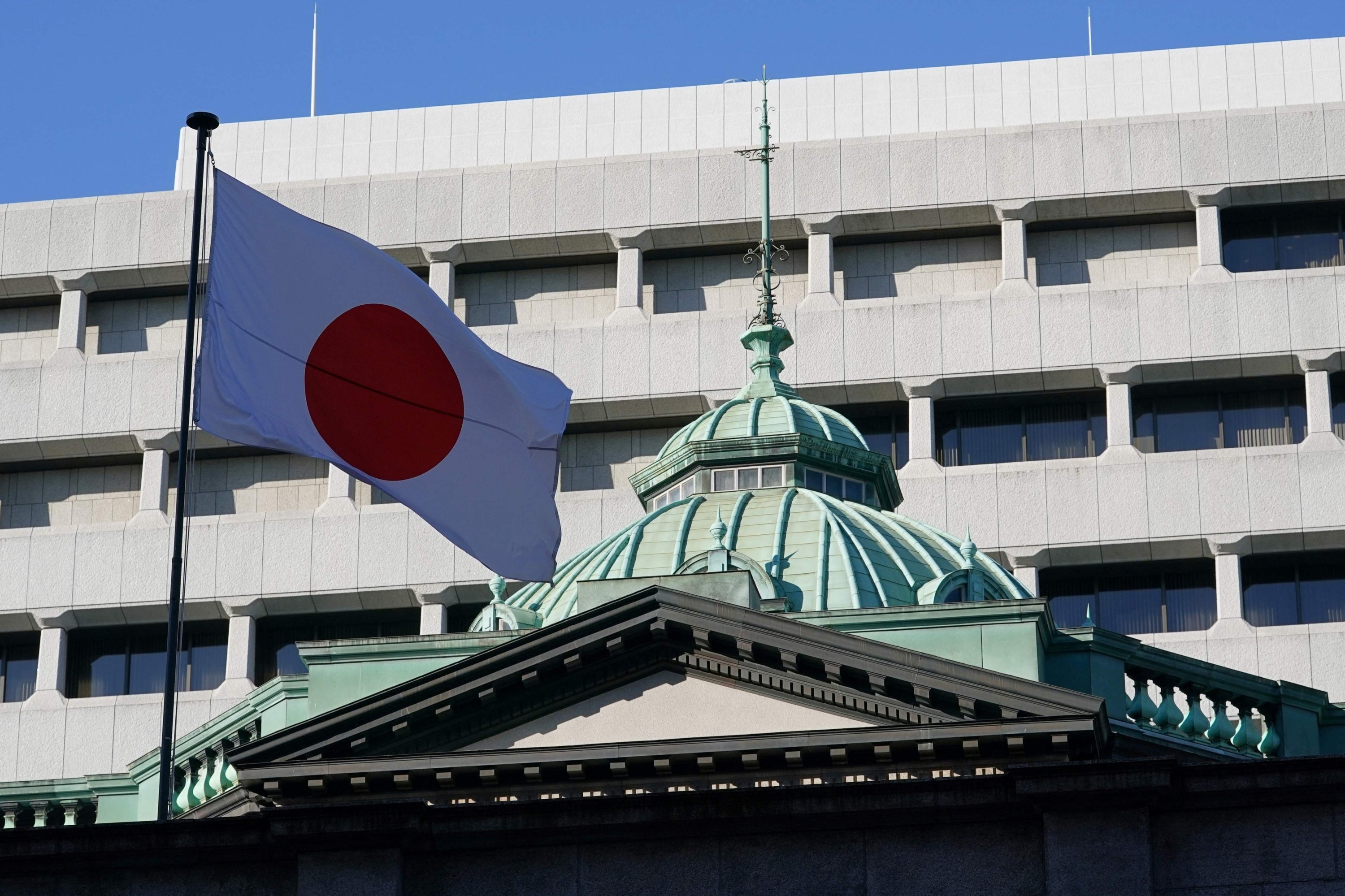
Photo: Daily Sabah
The Bank of Japan moved to strike a careful balance between economic optimism and political sensitivity on Friday, upgrading its growth forecasts while keeping its benchmark interest rate unchanged at 0.75 percent, just weeks before the country heads into a snap general election.
The decision underscores the BOJ’s cautious approach as Japan navigates fragile growth, stubborn inflation dynamics, and rising scrutiny from politicians and financial markets alike.
Growth outlook improves despite recent contraction
In its latest outlook, the central bank raised its forecast for real GDP growth in the fiscal year ending March 2026 to 0.9 percent, up from a previous estimate of 0.7 percent. It also lifted its projection for fiscal year 2026 growth to 1 percent, revising it higher from 0.7 percent.
The BOJ said the upgrade reflects expectations that overseas economies will return to steadier growth, supporting Japanese exports and corporate profits. Domestically, policymakers see conditions aligning for a gradual but sustained expansion, driven by rising wages, moderate price gains, and continued government support.
Officials reiterated their view that Japan is moving toward a virtuous cycle in which higher wages feed into stronger consumption, allowing companies to pass on costs and sustain inflation without undermining demand.
Rates held steady after historic shift
Despite the brighter outlook, the BOJ opted to leave its policy rate unchanged at 0.75 percent following an 8–1 vote. The decision comes after December’s rate increase, which lifted borrowing costs to their highest level in three decades and marked another step away from Japan’s ultra-loose monetary past.
The central bank began its policy normalization in March 2024 by ending the world’s last negative interest rate regime. Since then, it has emphasized that further tightening would depend on clear evidence that wage growth and inflation can reinforce each other in a durable way.
That caution was evident in Friday’s vote. The BOJ disclosed that board member Hajime Takata had argued for raising rates to 1 percent, citing upside risks to inflation. His proposal was ultimately rejected, highlighting divisions within the policy board over the pace of normalization.
Inflation still above target, but easing
Fresh inflation data released earlier in the day showed headline consumer price growth slowing to 2.1 percent in December, its lowest reading since March 2022. While the figure remains above the BOJ’s 2 percent target, it marked the slowest pace in nearly two years and extended a long run of above-target inflation to a 45th consecutive month.
In its outlook, the central bank expects inflation to dip below 2 percent in the first half of the year before stabilizing, reinforcing its argument that aggressive rate hikes are not yet warranted.
Politics loom large ahead of Feb. 8 vote
The policy decision comes against an increasingly political backdrop. Prime Minister Sanae Takaichi dissolved the Lower House on Friday, setting the stage for a snap election on Feb. 8.
Takaichi has been vocal in advocating for accommodative monetary policy and strong fiscal support to shore up growth. Her stance has added pressure on the BOJ as it weighs further tightening amid signs of economic weakness. Japan’s economy contracted more sharply than initially estimated in the third quarter, shrinking 0.6 percent quarter on quarter, or 2.3 percent on an annualized basis.
With voters facing higher living costs and slowing momentum, monetary policy has become an increasingly sensitive issue in the campaign.
Rising yields and a weakening yen
Market dynamics are complicating the BOJ’s path. Despite the shift toward tighter policy, Japanese government bond yields have surged to multi-decade highs in recent weeks. Rising yields have contributed to capital outflows and kept downward pressure on the yen, even as nominal rates rise.
Real interest rates remain negative, according to the BOJ, and investors are also growing uneasy about Japan’s fiscal trajectory. The government plans a record ¥783 trillion budget for the fiscal year beginning April 1, following a ¥20 trillion stimulus package rolled out last year to cushion households from rising prices.
The yen weakened sharply toward the end of last year, falling about 4.6 percent against the dollar since Oct. 21, when Takaichi took office, and recently trading near 159 per dollar. The slide has prompted warnings from Finance Minister Satsuki Katayama, who cautioned against what she described as “one-sided” currency moves.
Katayama has said she conveyed her concerns directly to U.S. Treasury Secretary Scott Bessent during meetings in Washington, noting shared unease over excessive yen weakness. More recently, she suggested that the bond market selloff appeared to be easing but stressed that authorities remain on high alert.
Markets watching BOJ’s next move
Analysts say investors are now focused less on Friday’s decision and more on how Governor Kazuo Ueda interprets recent market volatility. The interaction between yen weakness, import-driven inflation, and wage trends will be critical in shaping the timing of the next rate move.
With growth forecasts improving but political, fiscal, and market risks intensifying, the BOJ appears determined to move gradually. As Japan heads into a pivotal election, the central bank is signaling confidence in the economy’s medium-term prospects while making clear it will not rush further tightening until the recovery proves resilient.
.webp)
Popular articles



Subscribe to unlock premium content
Namibia Is Quietly Building the Future of Ultra Remote Eco Luxury
.png)
Colombia’s Coffee Regions Are Becoming Luxury Travel Destinations Hidden in the Highlands

Chile’s Desert Skies Are Becoming the World’s Most Exclusive Destination

Namibia Is Quietly Building the Future of Ultra Remote Eco Luxury
Colombia’s Coffee Regions Are Becoming Luxury Travel Destinations Hidden in the Highlands
Namibia Is Quietly Building the Future of Ultra Remote Eco Luxury