
Australia Raises Interest Rates to 4.1% as Inflation Pressures Intensify Amid Global Tensions

Australia Raises Interest Rates to 4.1% as Inflation Pressures Intensify Amid Global Tensions
By
David Goldfarb
Last updated:
March 17, 2026
First Published:
April 25, 2026

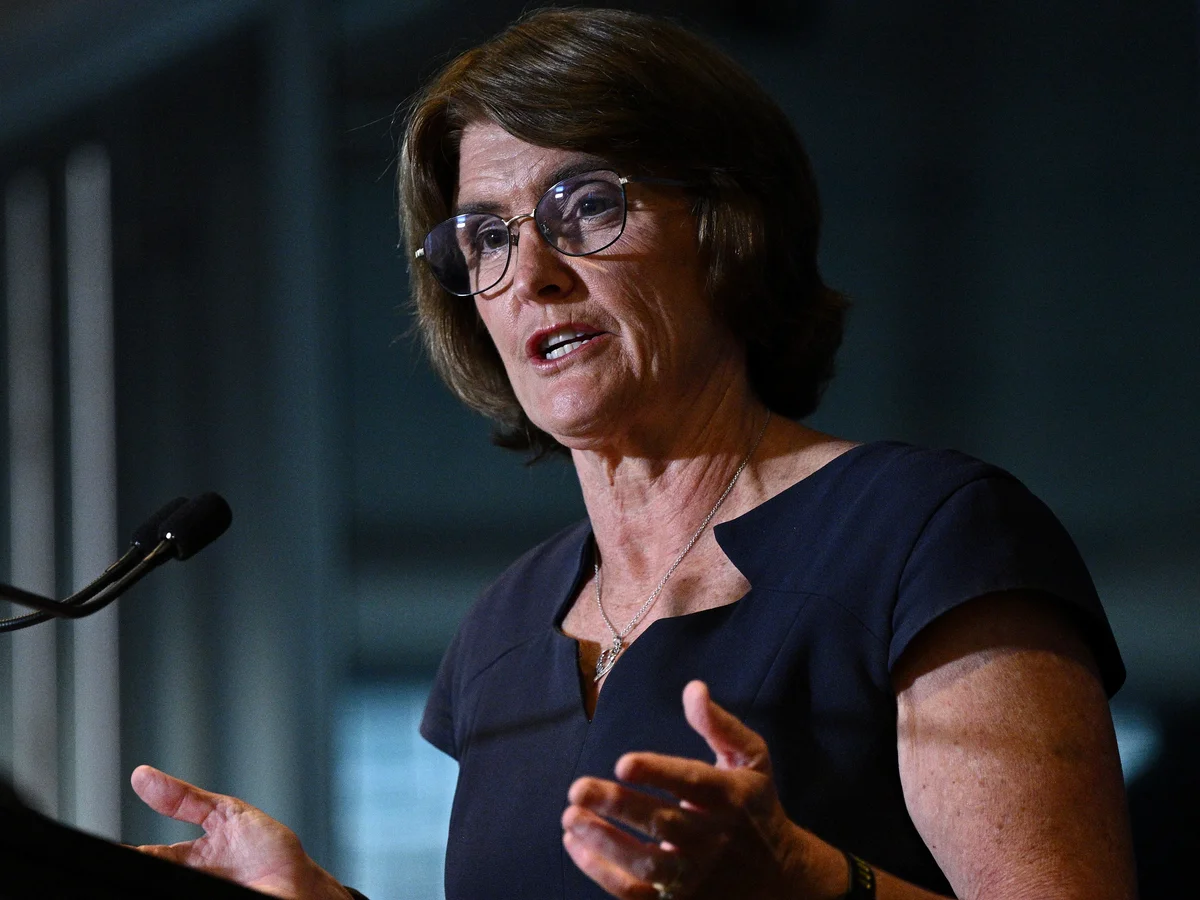
Photo: The Guardian
Australia’s central bank has pushed interest rates to their highest level in nearly a year, reinforcing its stance against persistent inflation that continues to exceed its target range. The Reserve Bank of Australia (RBA) raised its benchmark rate by 25 basis points to 4.1%, marking its second consecutive hike and signaling growing concern over both domestic and global price pressures.
The move was widely anticipated by economists, but the reasoning behind it highlights a more complex inflation environment. While price growth has moderated significantly from its 2022 peak, inflation has shown renewed strength in recent months, particularly in the second half of 2025. With headline inflation still hovering above the RBA’s 2% to 3% target band, policymakers are increasingly wary of upside risks.
Inflation Remains Stubbornly High
Recent data underscores the challenge. Quarterly inflation stood at 3.6% for the period ending December, while monthly inflation in January came in at 3.8%, slightly above market expectations. These figures suggest that disinflation is progressing slower than anticipated, forcing the central bank to maintain a tighter monetary stance.
Earlier projections indicated that inflation could peak at around 4.2% by mid-2026 before gradually easing below 3% by mid-2027. However, those forecasts are now under scrutiny as new external risks emerge, particularly from geopolitical instability affecting global energy markets.
Global Risks Add to Domestic Pressures
A major factor influencing the RBA’s decision is the escalating conflict involving Iran, which has injected fresh volatility into oil prices. Rising energy costs are expected to filter through to transportation, production, and consumer goods, amplifying inflation both globally and within Australia.
The central bank acknowledged that while the trajectory of the conflict remains uncertain, its economic impact is already being felt. Policymakers believe these developments could prolong the period during which inflation stays above target, reducing their flexibility to pause or delay further action.
This external pressure compounds existing domestic challenges. Australia’s economy continues to operate with a positive output gap, meaning demand is outpacing supply. At the same time, the labor market remains exceptionally tight, with low unemployment sustaining wage growth and consumer spending.
Strong Economy Limits Policy Flexibility
Australia’s economic resilience has given the RBA room to keep interest rates elevated. GDP growth for the fourth quarter came in at 2.6%, exceeding expectations and indicating that the economy is still expanding at a healthy pace despite tighter financial conditions.
However, this strength is a double-edged sword. While it supports employment and business activity, it also risks keeping inflation elevated for longer. With demand remaining robust, the central bank faces increased pressure to act decisively to prevent inflation expectations from becoming entrenched.
Economists point out that under these conditions, the RBA has limited “wait and see” capacity. Delaying action could allow inflation to accelerate further, especially if global commodity prices continue to rise.
A Divided Decision Reflects Policy Tension
The rate hike was not without debate. The decision passed by a narrow margin, with five board members supporting the increase and four opposing it. This split highlights the delicate balance policymakers are trying to maintain between controlling inflation and avoiding excessive pressure on households and businesses.
Some members appear concerned about the lagging effects of previous rate hikes, which are still working their way through the economy. Higher borrowing costs have already impacted mortgage holders and consumer spending, raising questions about how much additional tightening is necessary.
Long Road Back to Target
Looking ahead, the RBA expects inflation to gradually return to its target range, but the timeline remains extended. Current projections suggest inflation may not fully stabilize within the 2% to 3% band until late 2026 or even 2027, with a return to the midpoint closer to 2028.
These forecasts depend heavily on global conditions stabilizing and domestic demand cooling in a controlled manner. Any prolonged escalation in geopolitical tensions or sustained rise in energy prices could push these timelines further out.
Market Reaction and Outlook
Financial markets responded cautiously to the decision. Australia’s benchmark S&P/ASX 200 index edged slightly higher following the announcement, reflecting investor confidence in the economy’s underlying strength, even as borrowing costs rise.
The broader outlook suggests that interest rates may remain elevated for an extended period. While further hikes are not guaranteed, the central bank has made it clear that it will prioritize price stability over short-term growth concerns.
For households and businesses, this means adapting to a higher-rate environment for longer than previously expected. For policymakers, the challenge remains clear: bringing inflation under control without derailing economic momentum in an increasingly uncertain global landscape.
.webp)
Popular articles



Subscribe to unlock premium content
How Finland Uses Ice Swimming Festivals to Boost Winter Tourism and Local Economies

The Boom of Luxury Personal Libraries Renting Rare Books to the Ultra-Wealthy

Why Bhutan’s Hand-Woven Textiles Are Gaining Global Collector Value

How Finland Uses Ice Swimming Festivals to Boost Winter Tourism and Local Economies
The Boom of Luxury Personal Libraries Renting Rare Books to the Ultra-Wealthy
How Finland Uses Ice Swimming Festivals to Boost Winter Tourism and Local Economies


